Office glass door markings: making transparent entrances recognizable
Transparent office doors can be harder to locate than expected. Entrance and interior glass wall photos illustrate how to check door positions, marking contrast, and visibility from both sides.

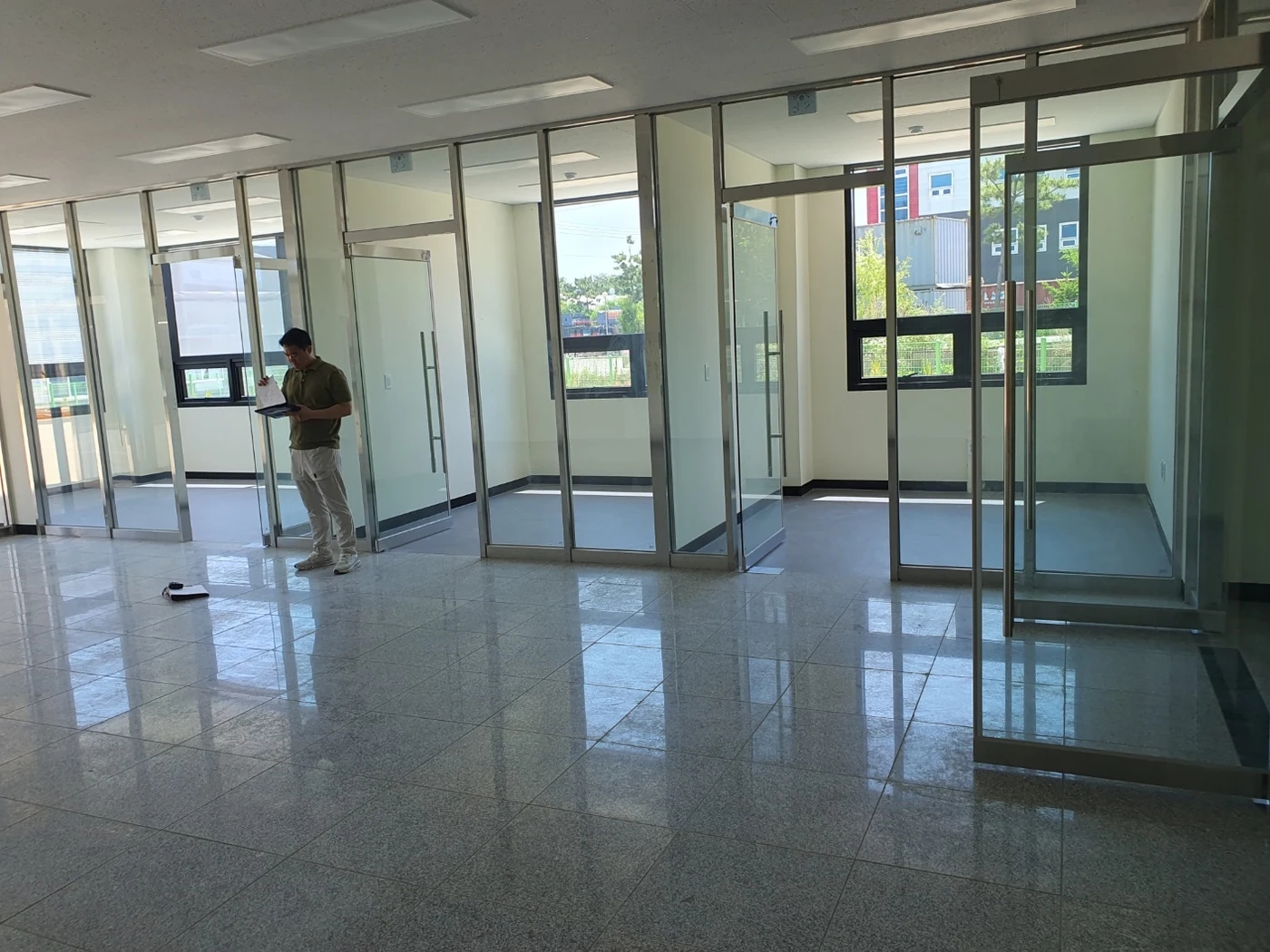
Before you begin
- Where doors sit beside fixed glazing, first identify the actual entrance boundaries.
- Check glass markings against both light and dark backgrounds and from both sides of the door.
- Do not rely on handles alone: check the opening direction and where the open leaf stands.
Identify the door leaf as you approach
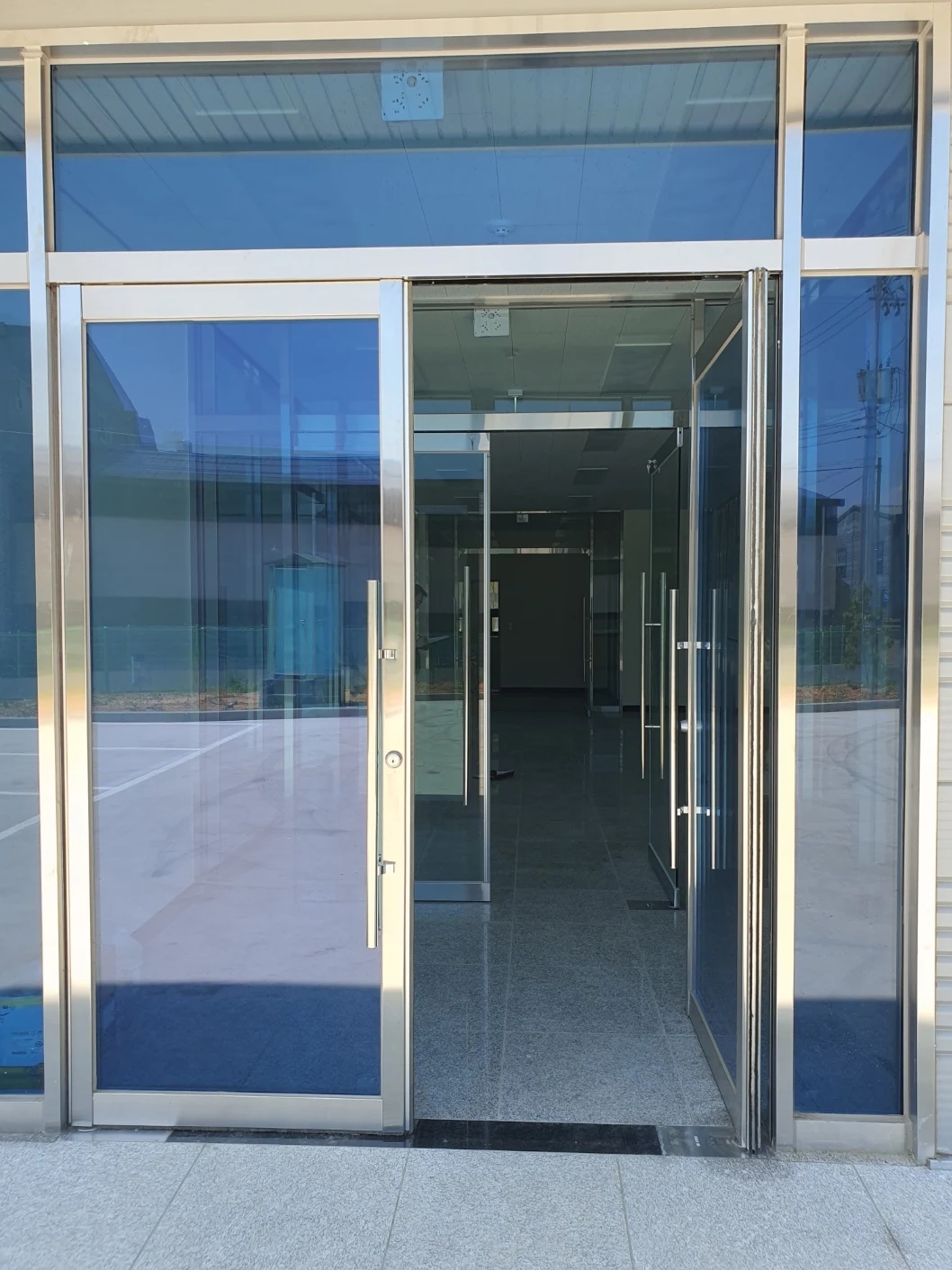
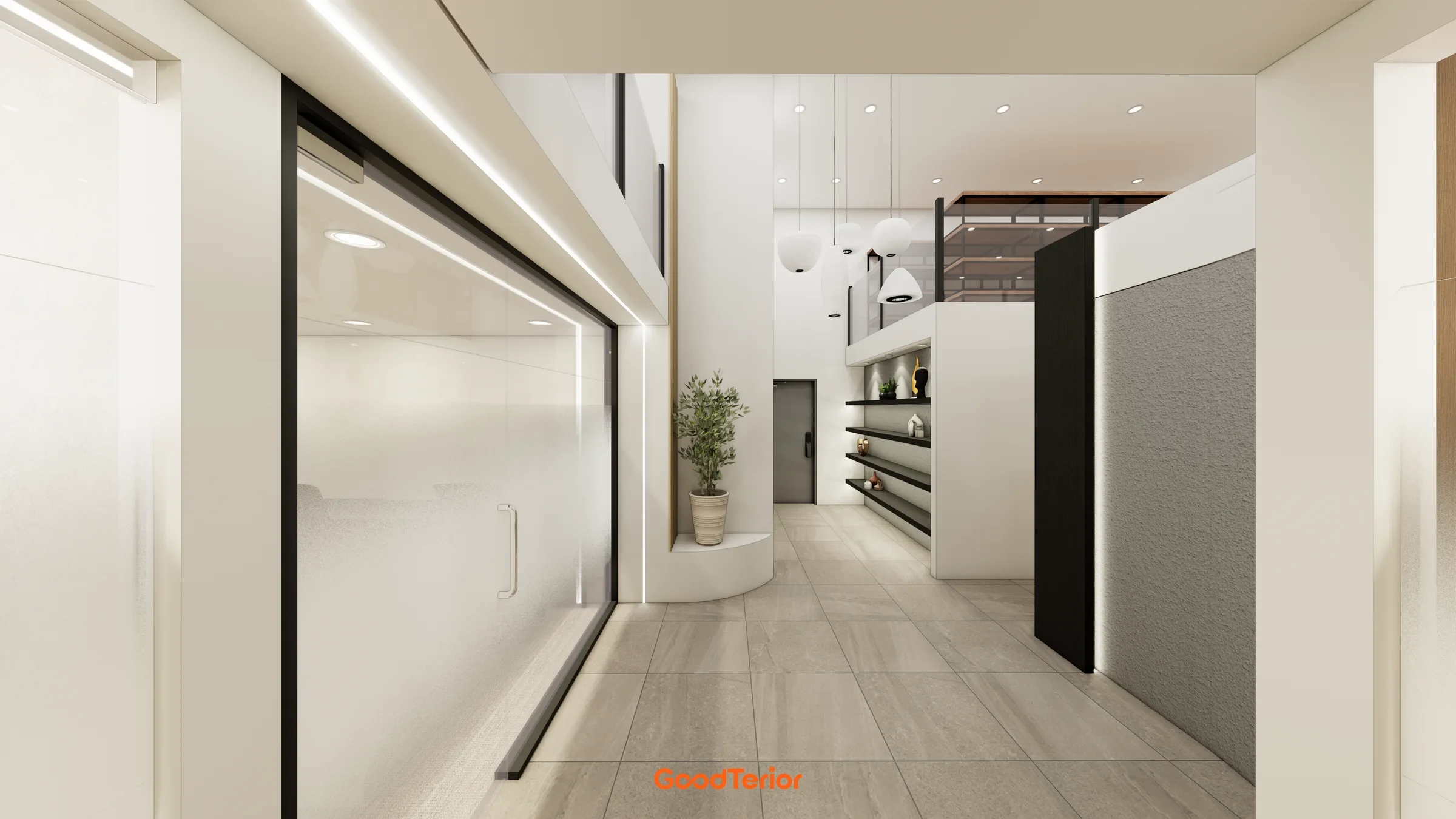
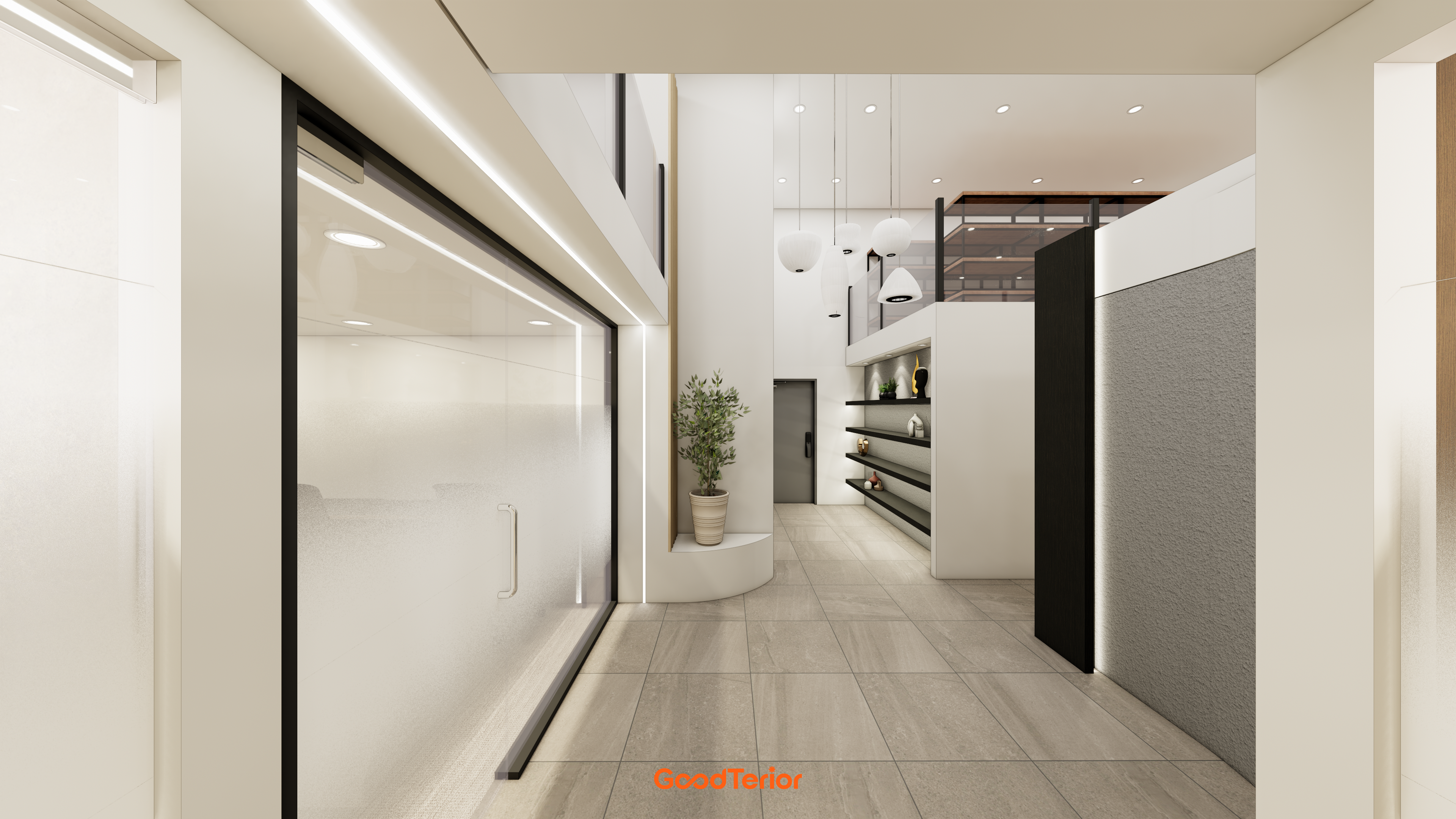
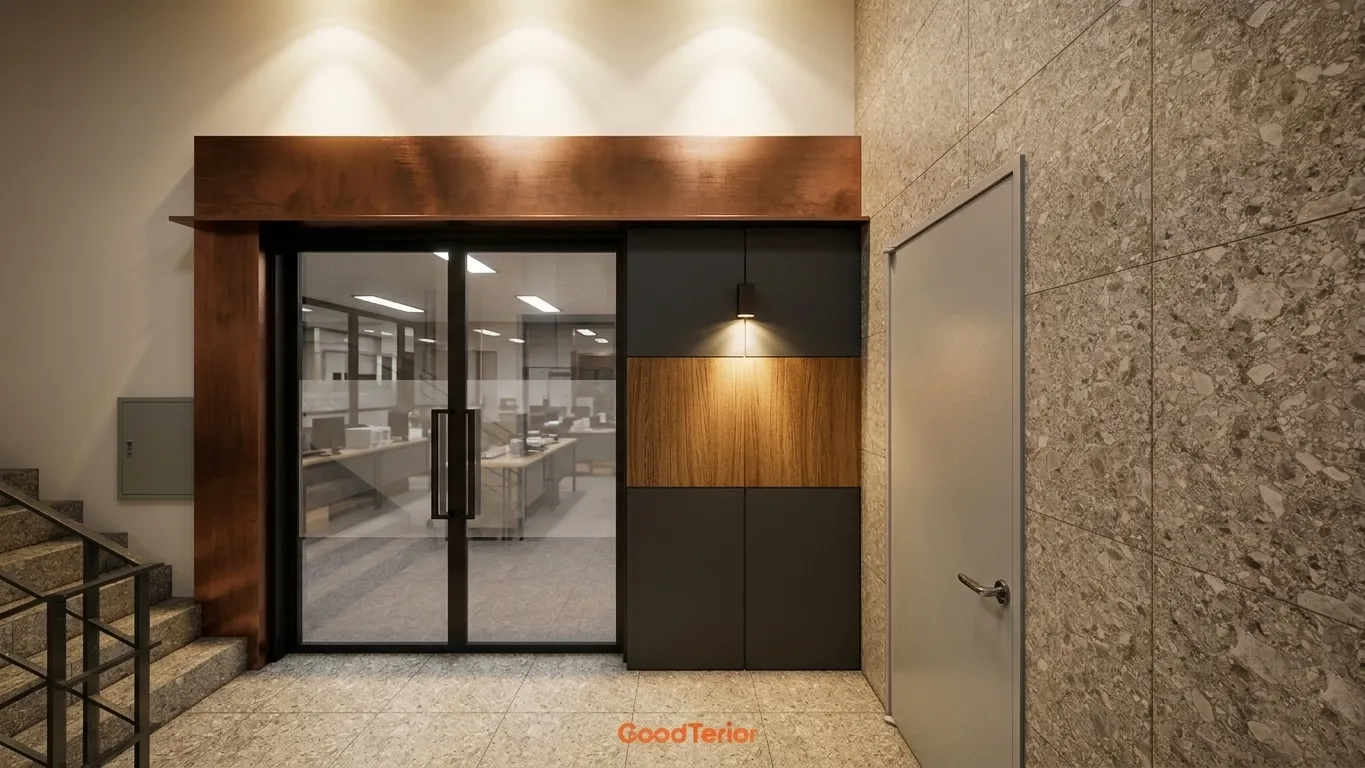
The photographed entrance has transparent fixed glass on both sides of its door. The handle is visible close up, but someone approaching from a distance may not immediately recognize which panel opens and which is fixed. Review the entrance along people's approach routes as well as directly in front.
If frame colors or handles already stand out, check whether they make the door leaf boundaries legible. When adding a logo or notice, choose a position distinguishing it from fixed glazing without obscuring the opening panel. The photo does not establish whether markings were added or whether a collision risk existed at this entrance.
Check markings from both sides
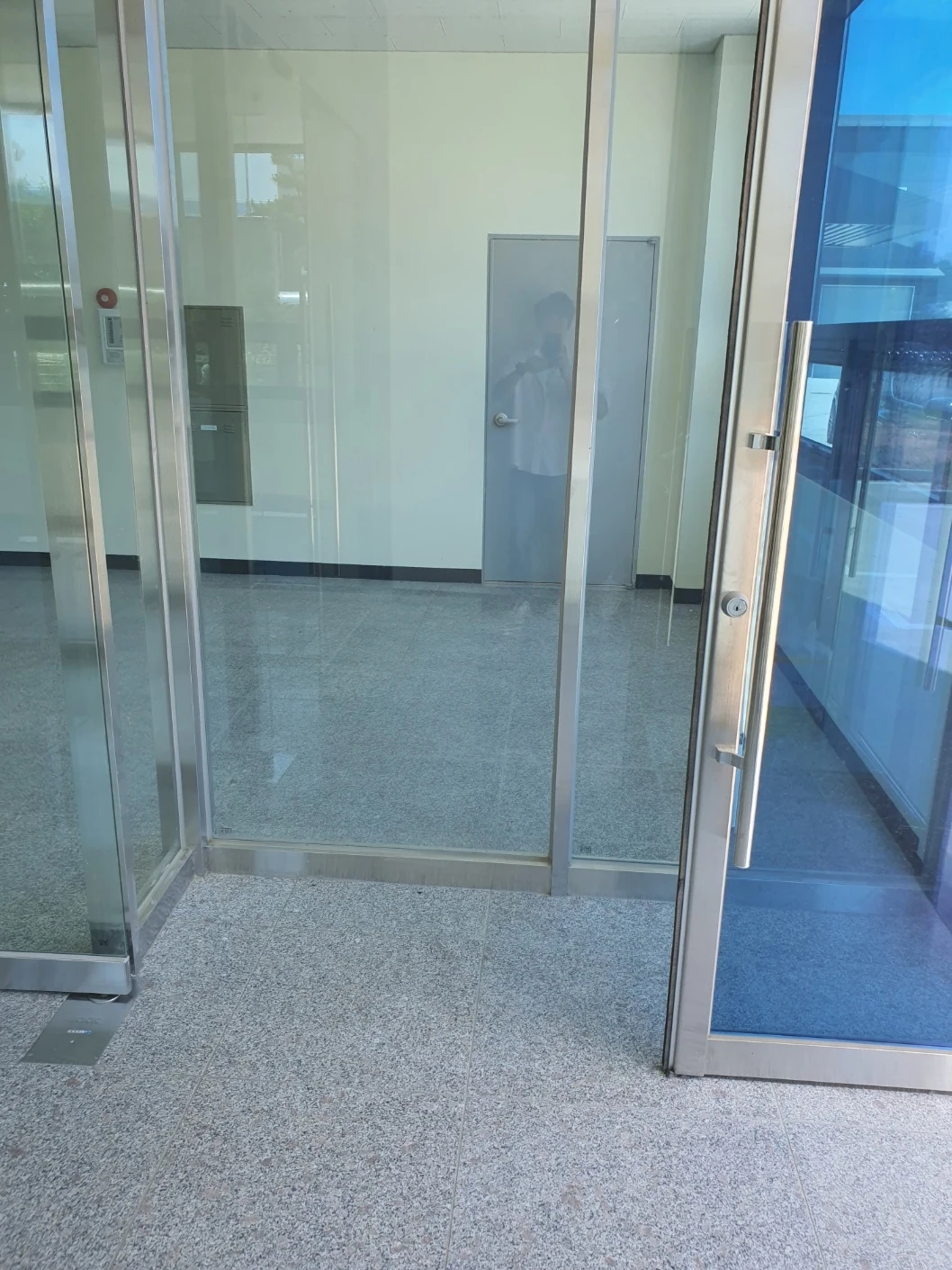
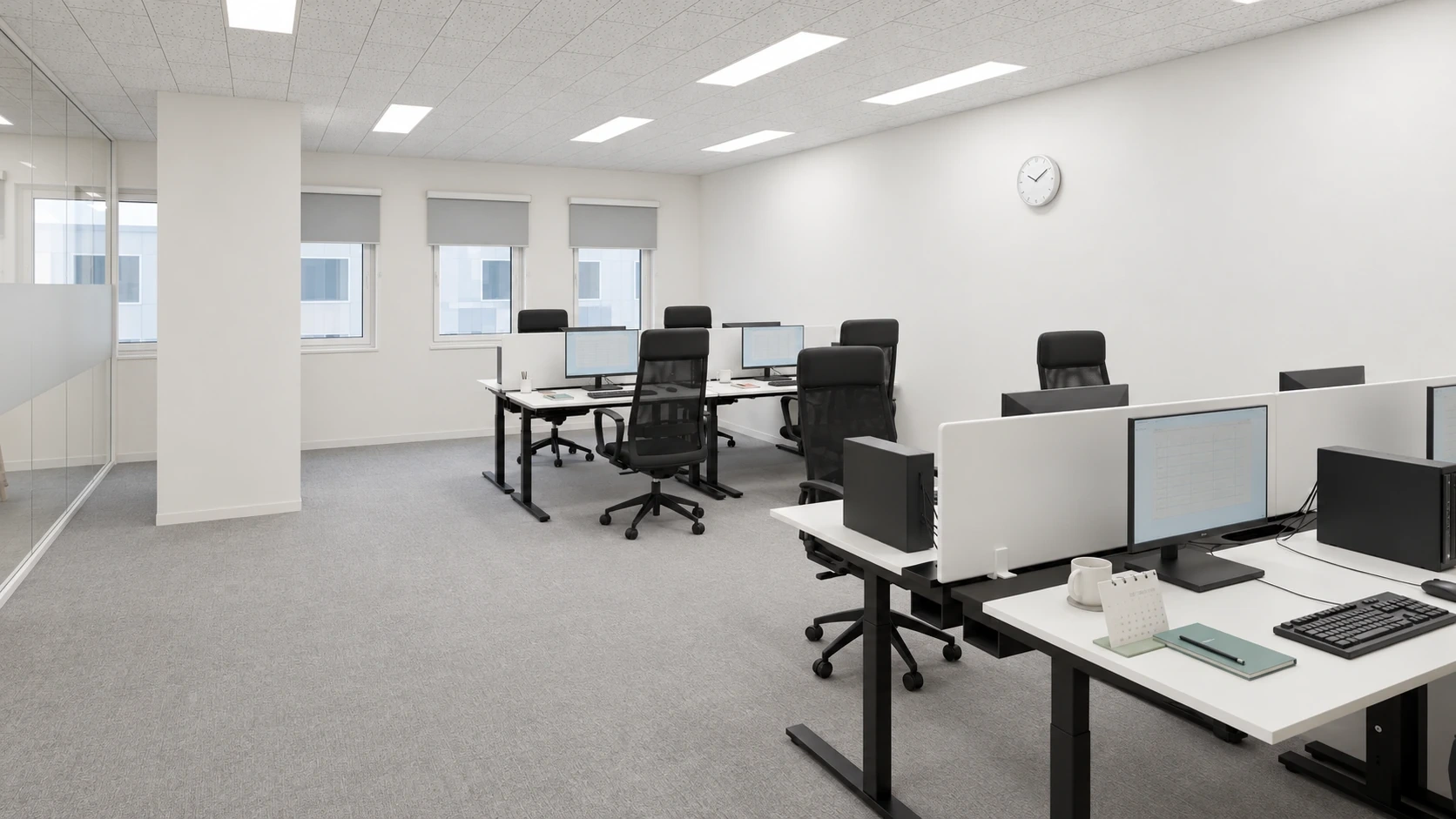
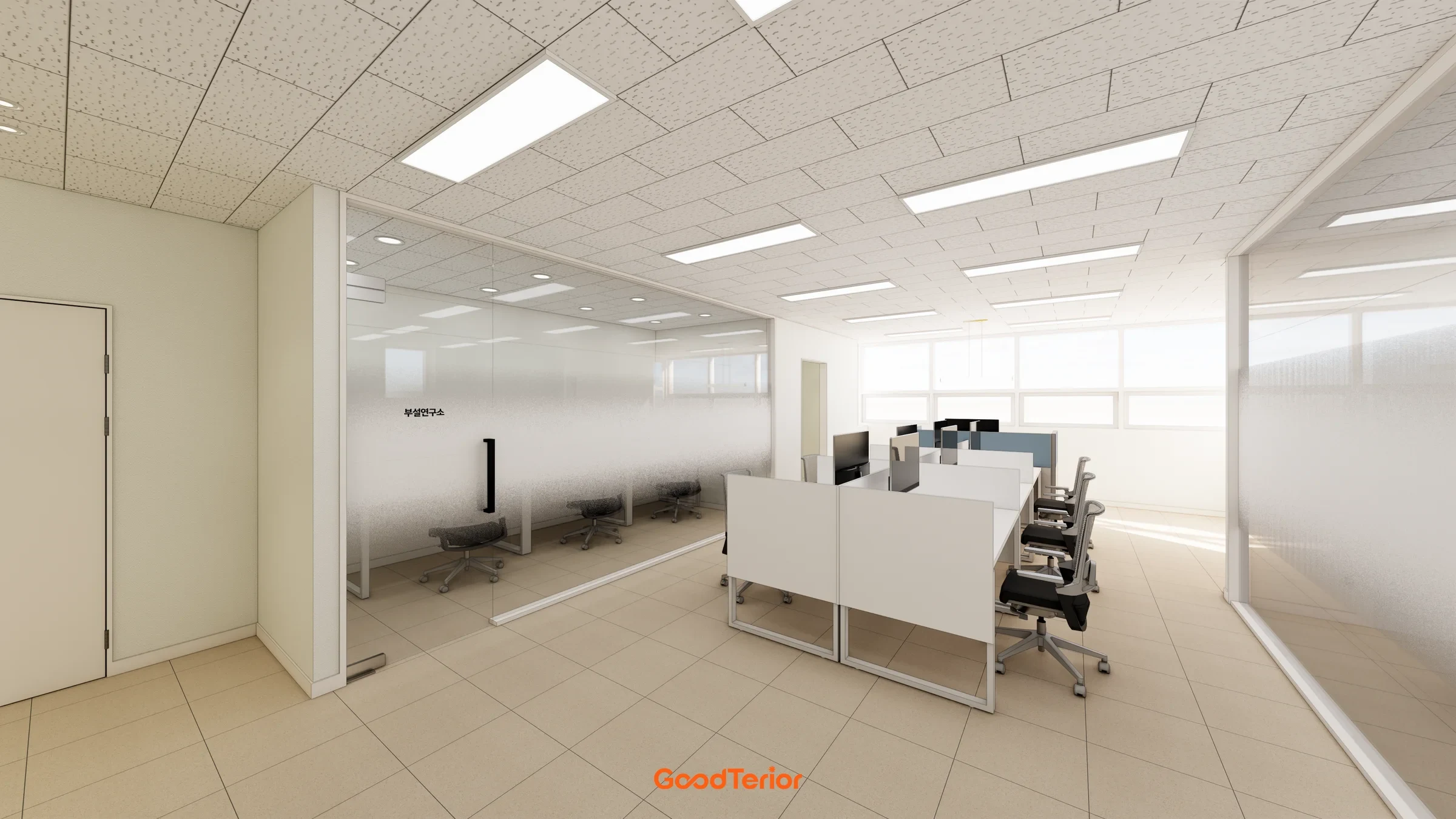
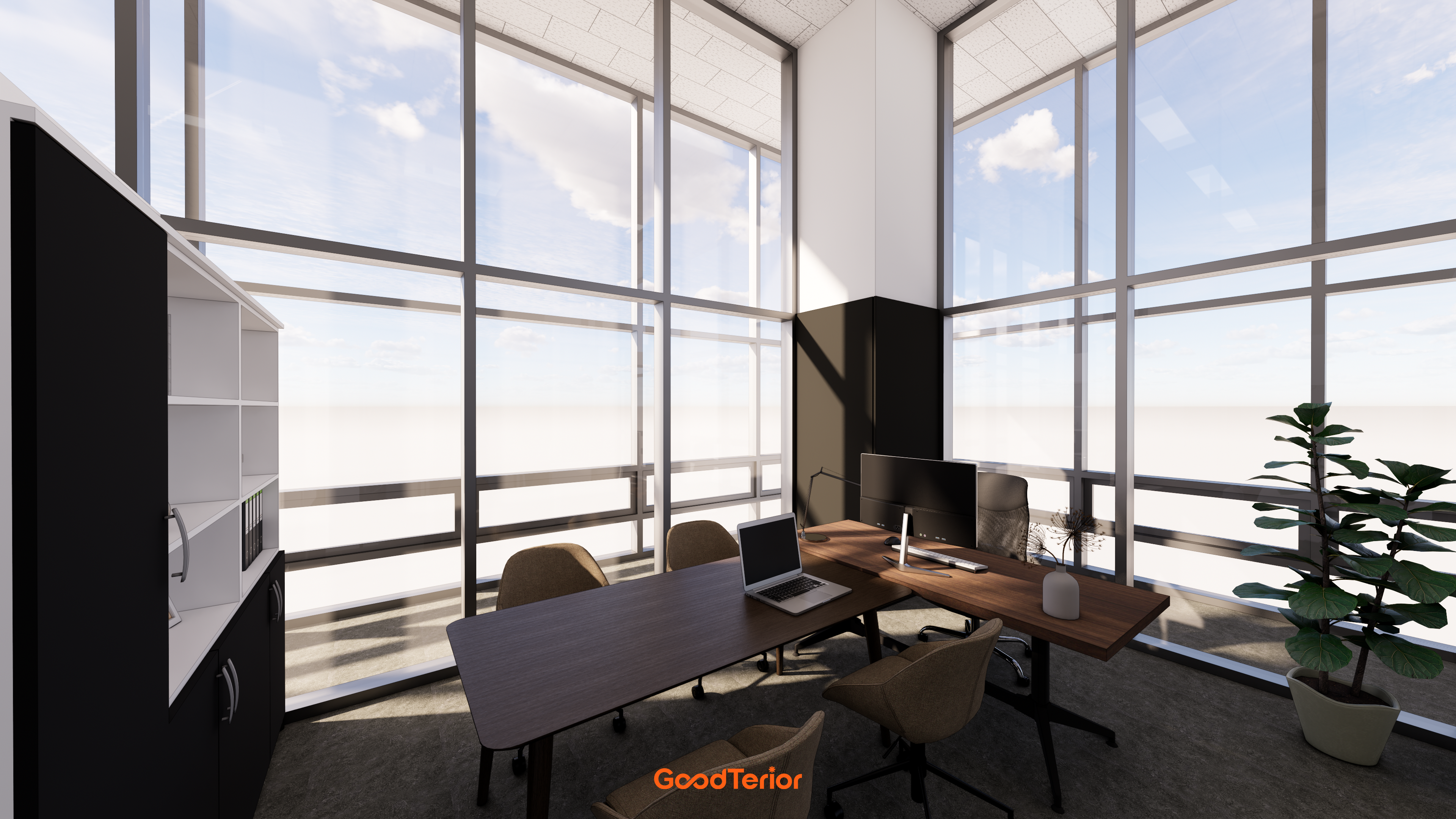
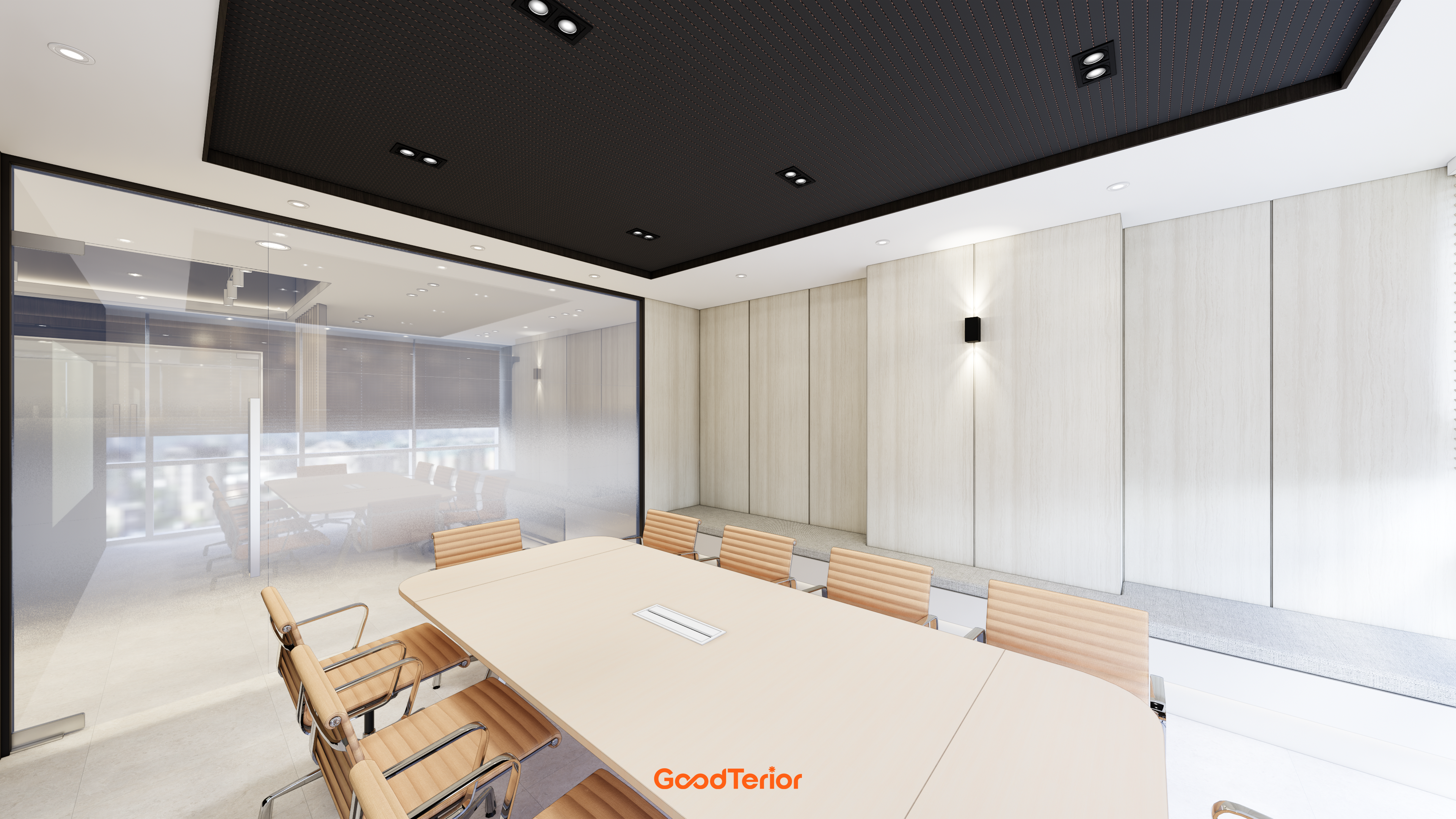
An interior glass door marking visible from one side may fade against outdoor views or interior lighting from the other. Where glass walls continue beside the door, marking only the leaf and leaving fixed glass unmarked may also confuse the boundary. Before choosing markings, step back on both sides and review the entire glazed area.
The UK government's Approved Document K describes markings contrasting with backgrounds on both sides, or visual clues such as frames and large handles, for large transparent glazing in non-residential buildings such as offices. This explanation draws on UK design guidance; it is not a legal standard directly applicable to Korean sites. Actual installation requirements need separate review against building use and Korean standards.
Check the position of the open door too
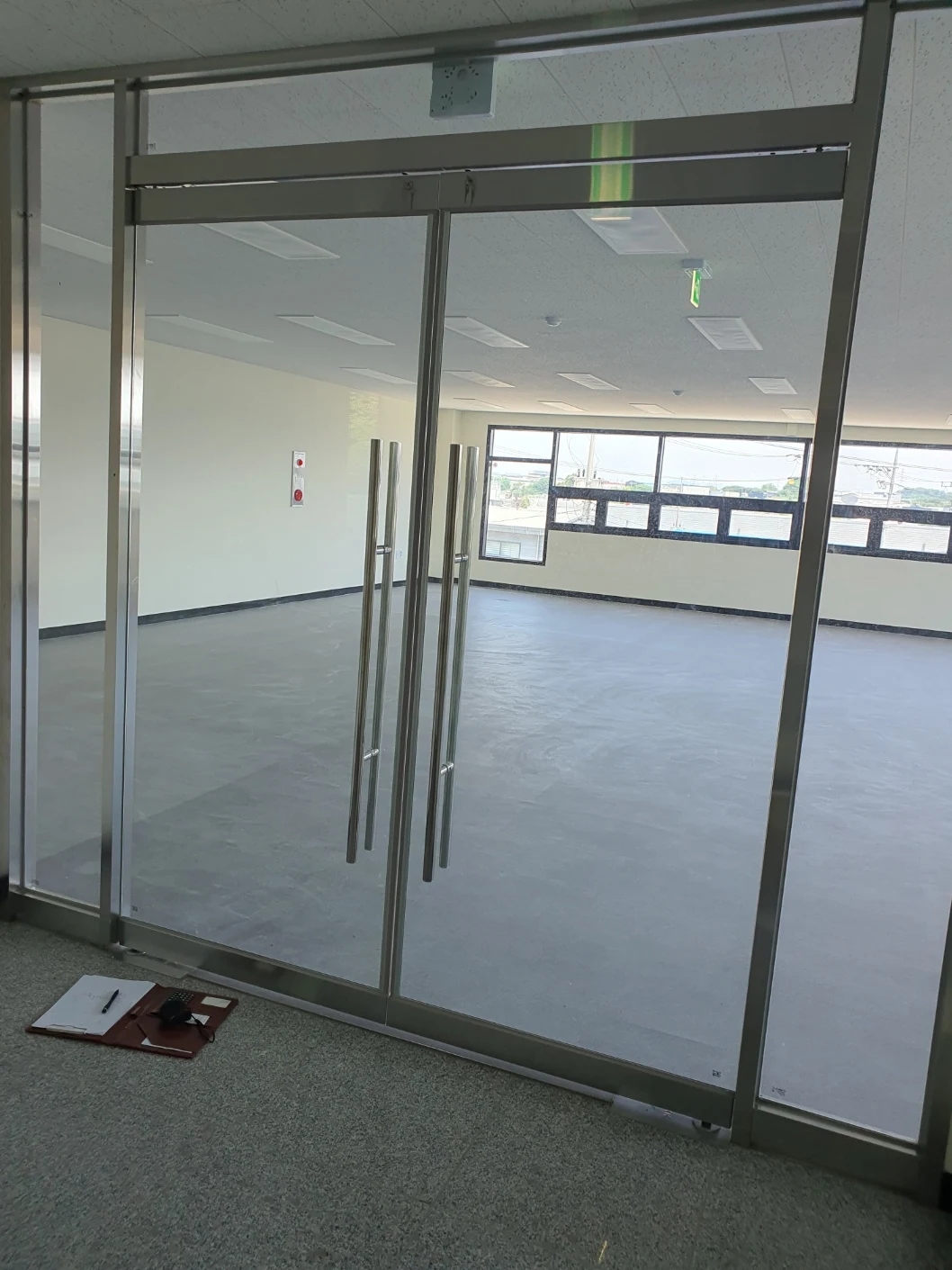
Double doors with long handles identify the opening when closed. When held open, however, a leaf edge may project into the pedestrian route. The photo establishes only the visible handle and door forms. Actual opening angles and circulation routes require operating the doors on site.
When finalizing the entrance, simulate entering with doors closed and carrying items through with both leaves open. Check whether handles, markings, and notices overlap into a confusing arrangement. Confirm glazing safety specifications and hardware suitability with the installer instead of assessing them from photos.
Ask us about your interior project
We can discuss a quote and design suited to the space you are planning.
Request a free consultation