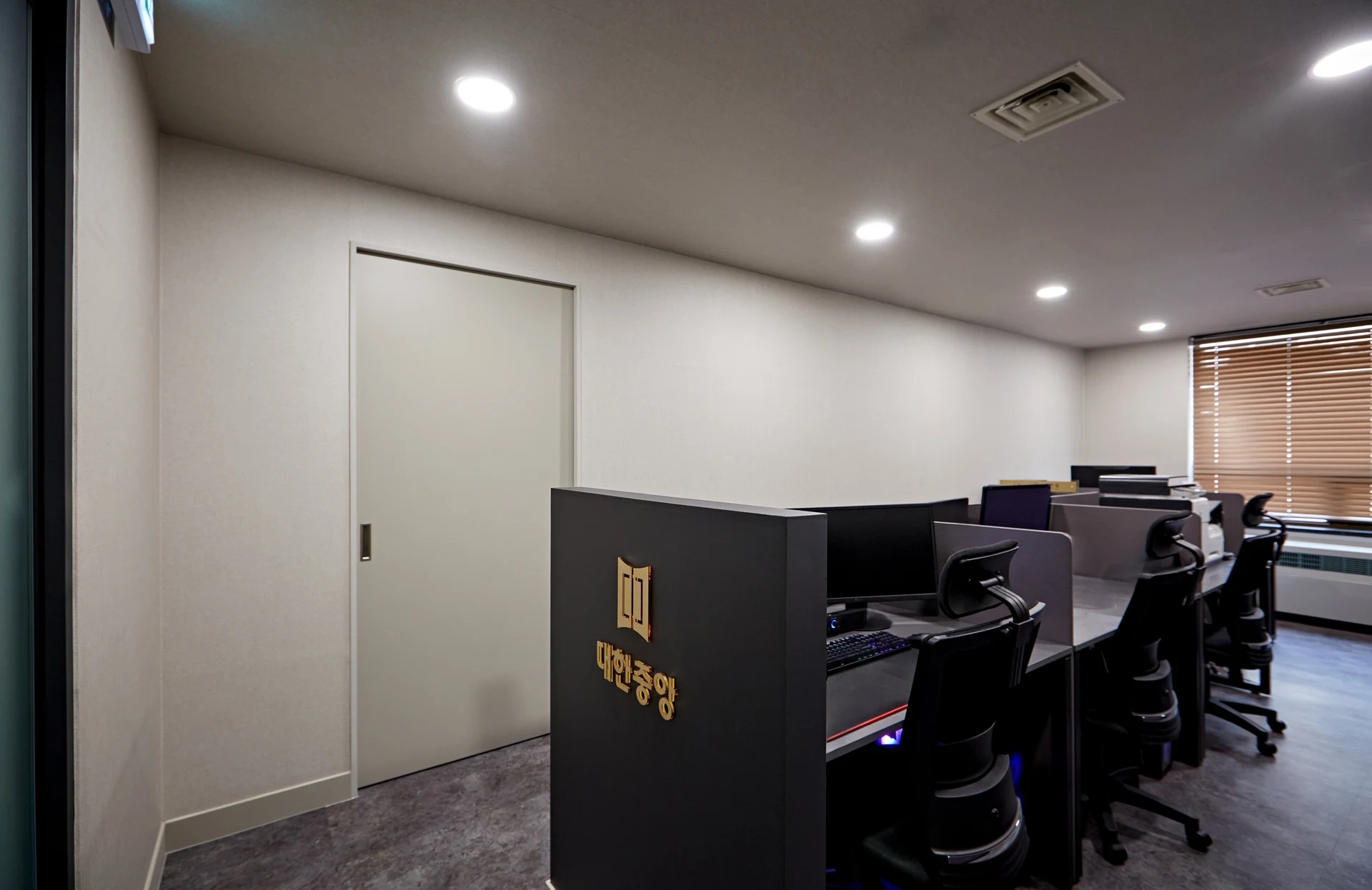
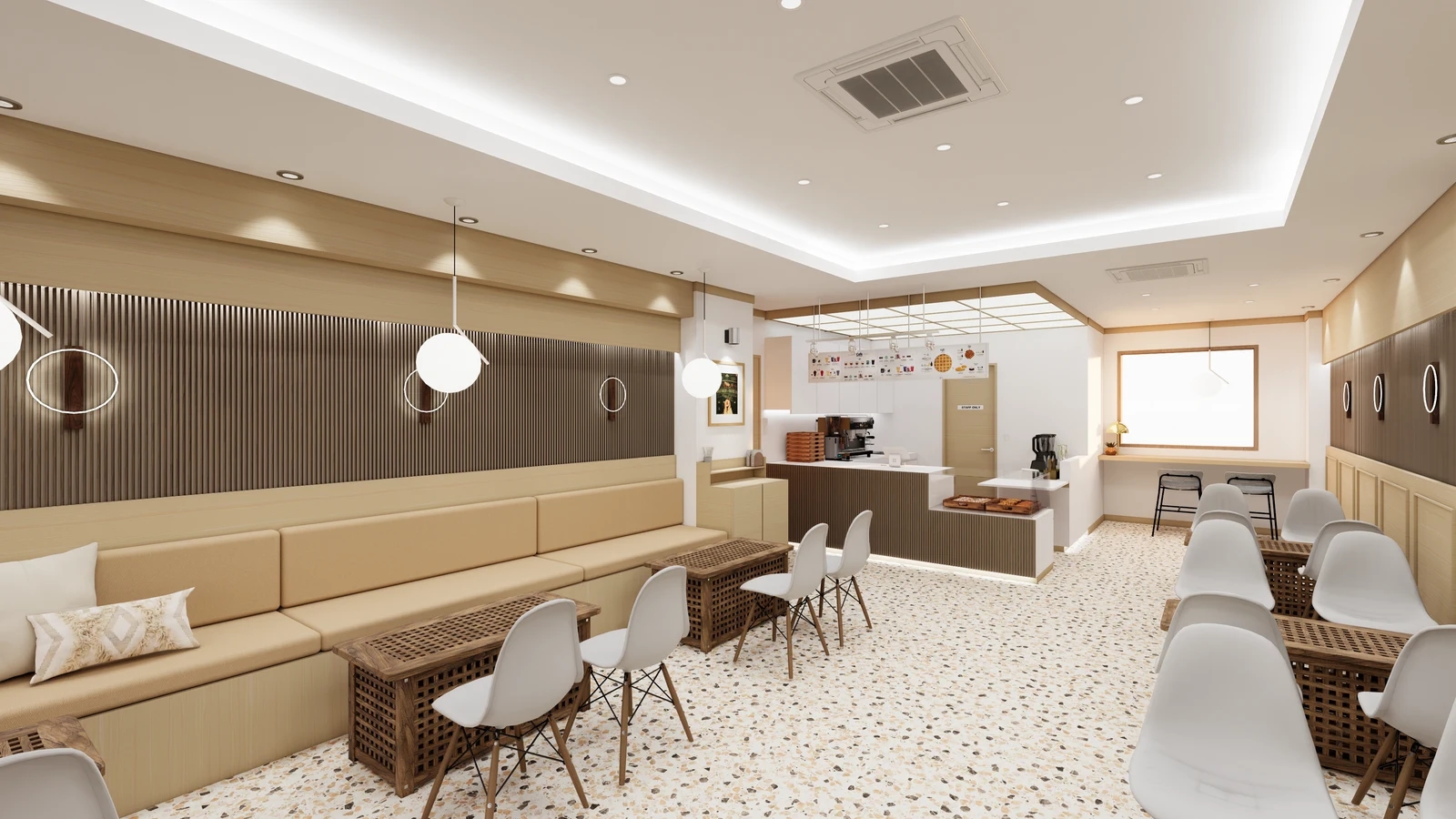
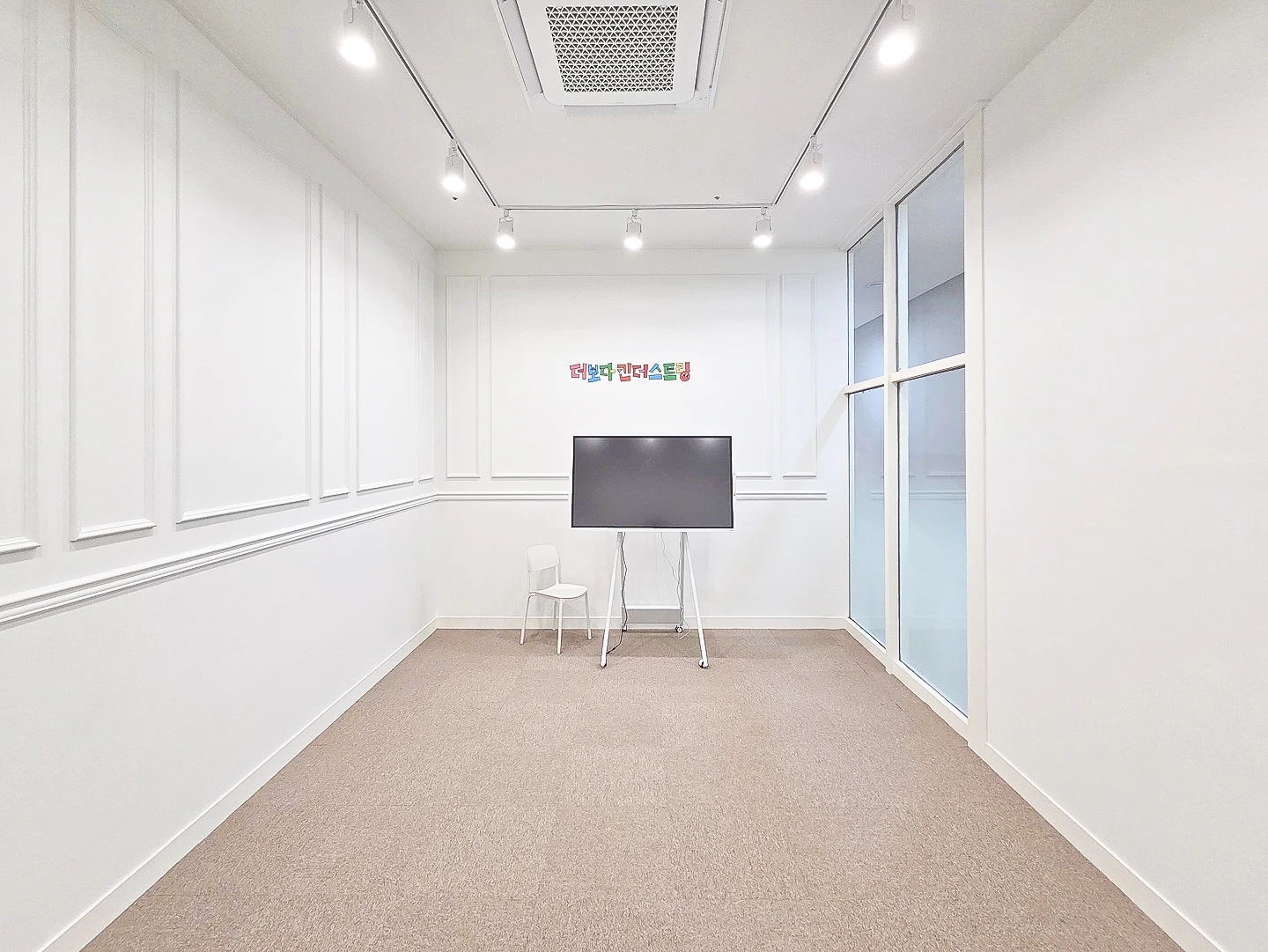
Interior finish samples: comparing floors and walls together
Compare floor, wall, and furniture samples together rather than choosing individually. This guide covers lighting, coverage, texture, and product records before material approval.

Before you begin
- Place materials together as they will meet in the actual interior.
- Check pattern scale and texture alongside sample color.
- Link chosen product codes to their drawing locations.
Why compare floor and wall samples side by side?
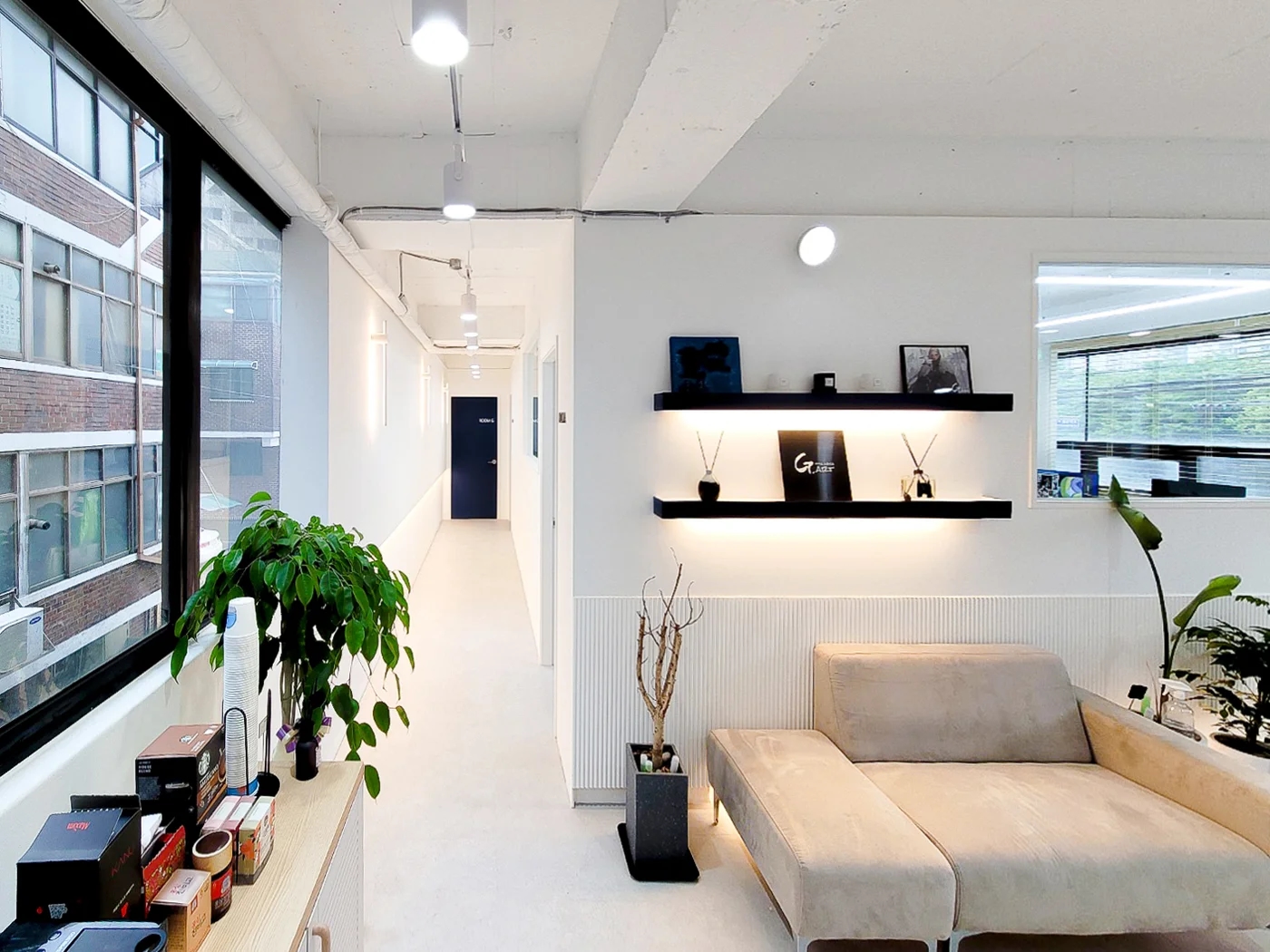
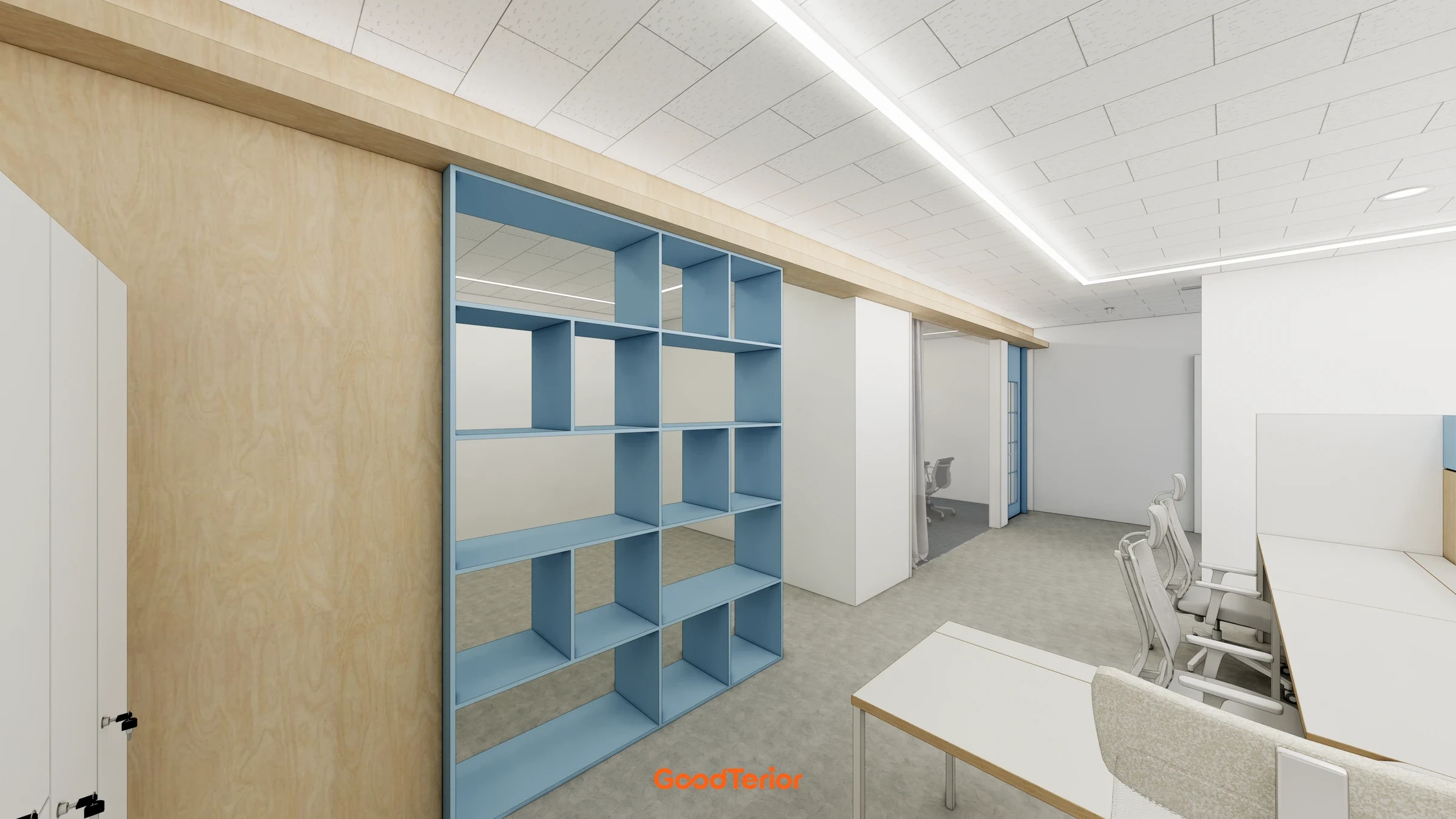
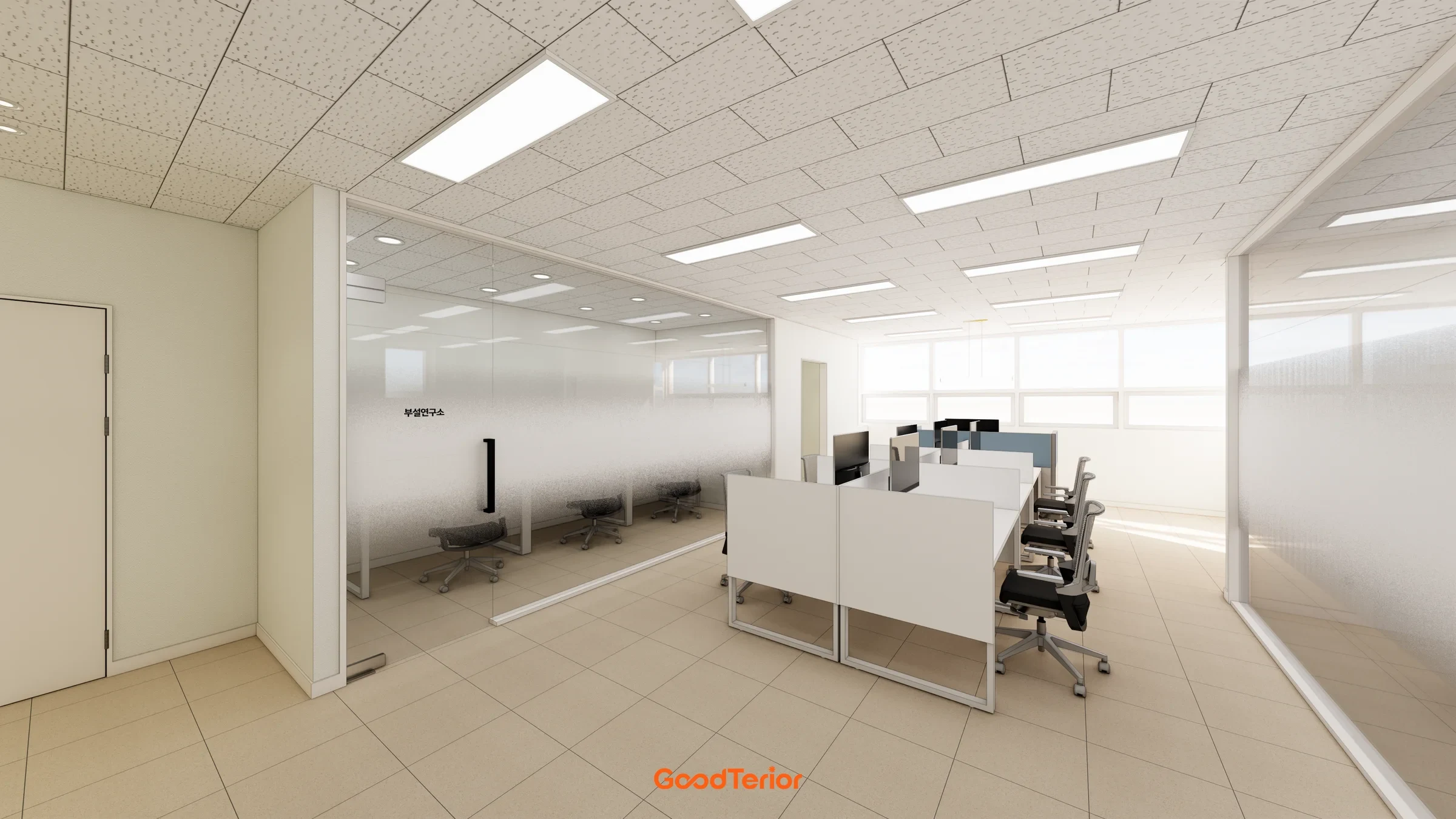
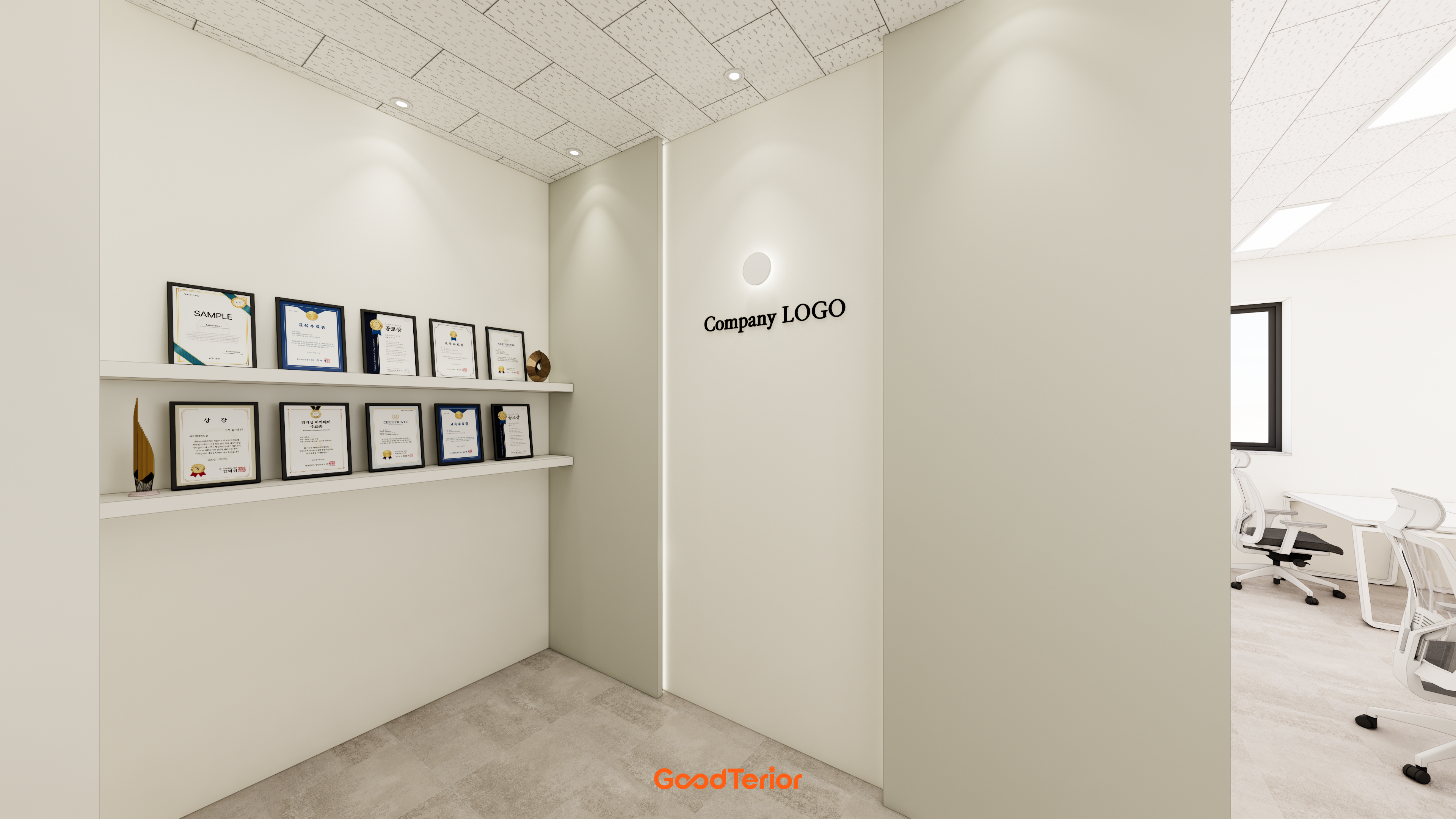
Individually appealing finishes may feel awkward together. Collect materials visible at once, including floors, walls, doors, and custom furniture. Even whites and beiges reveal differences side by side.
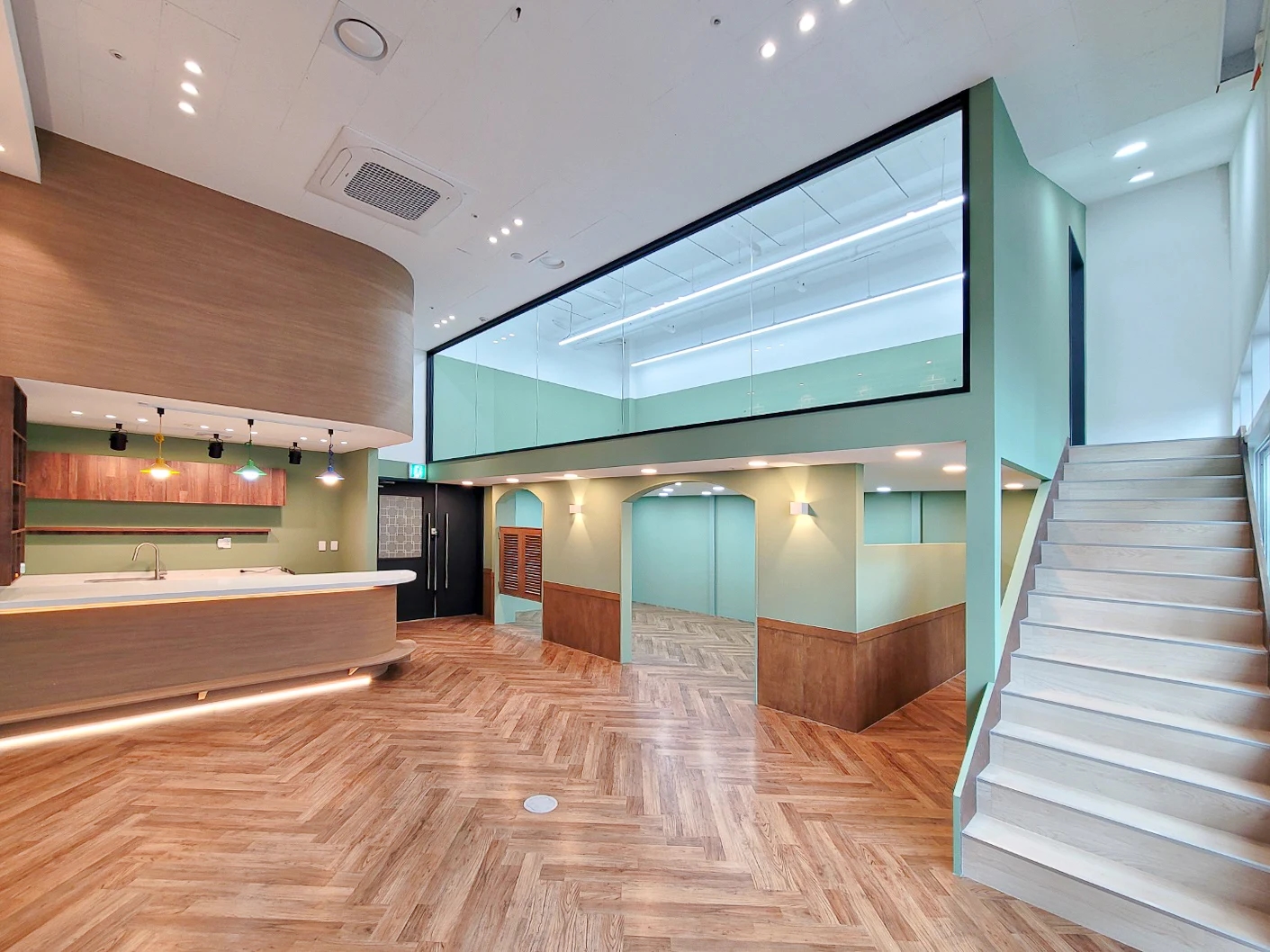
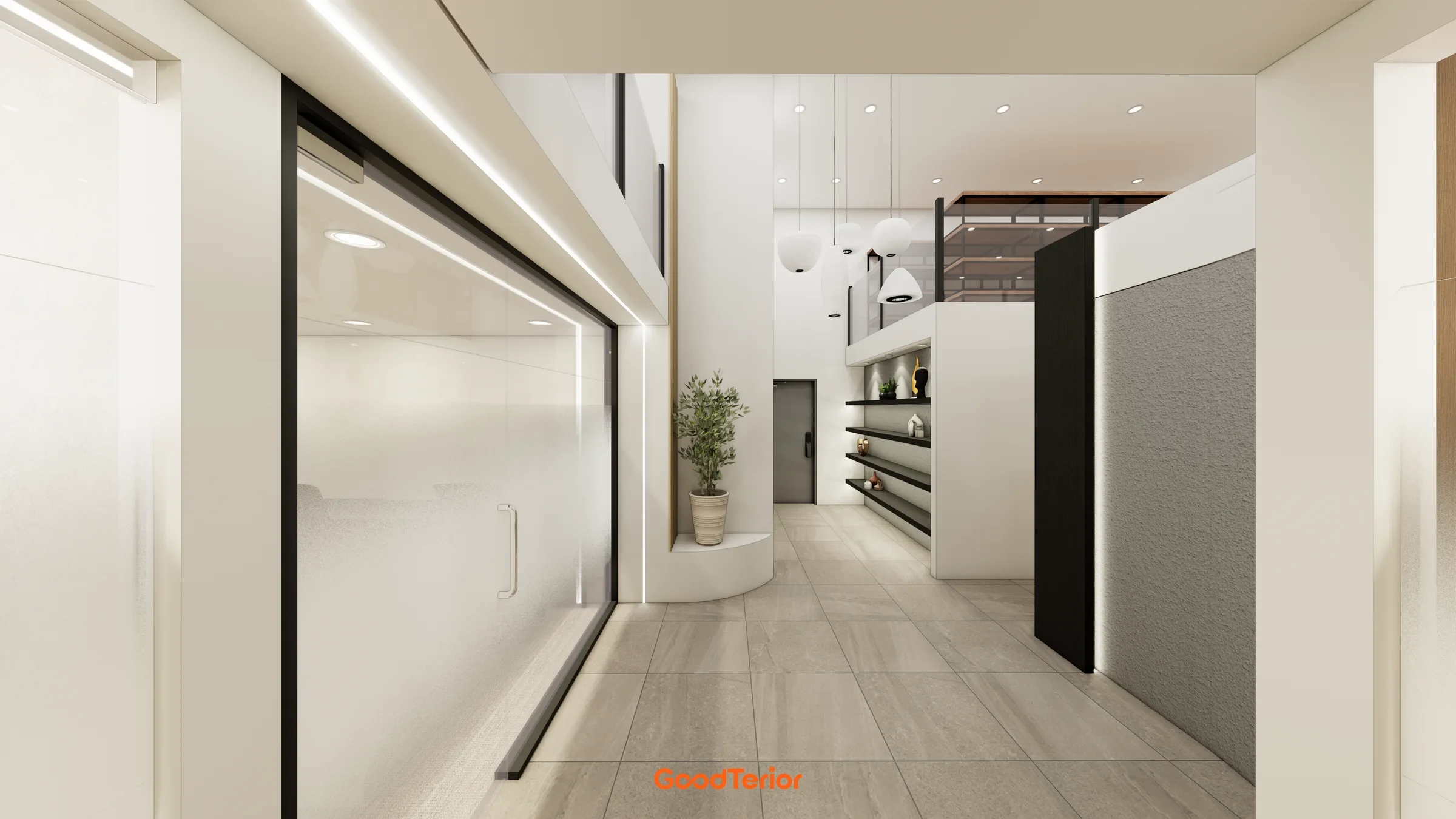
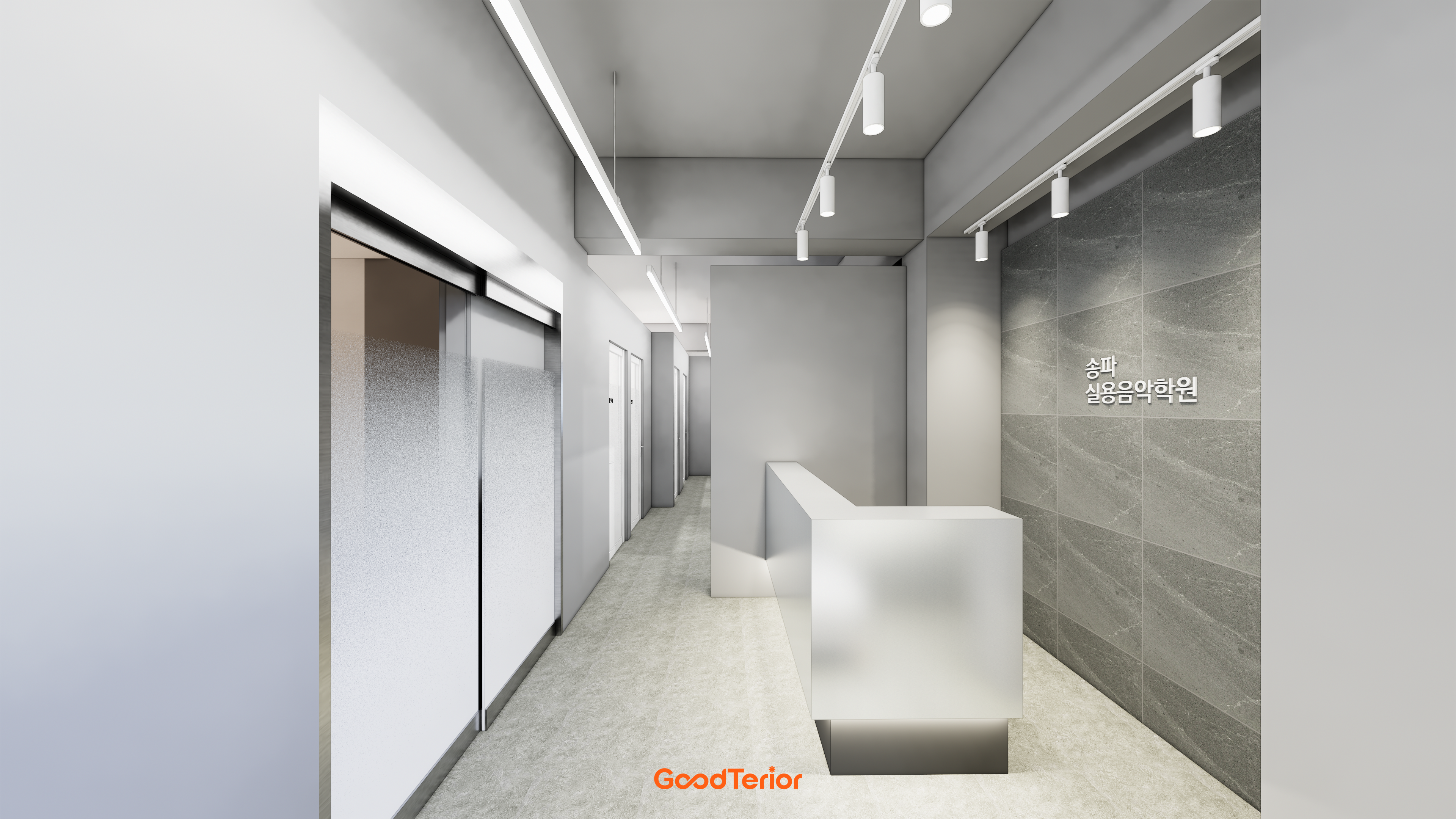
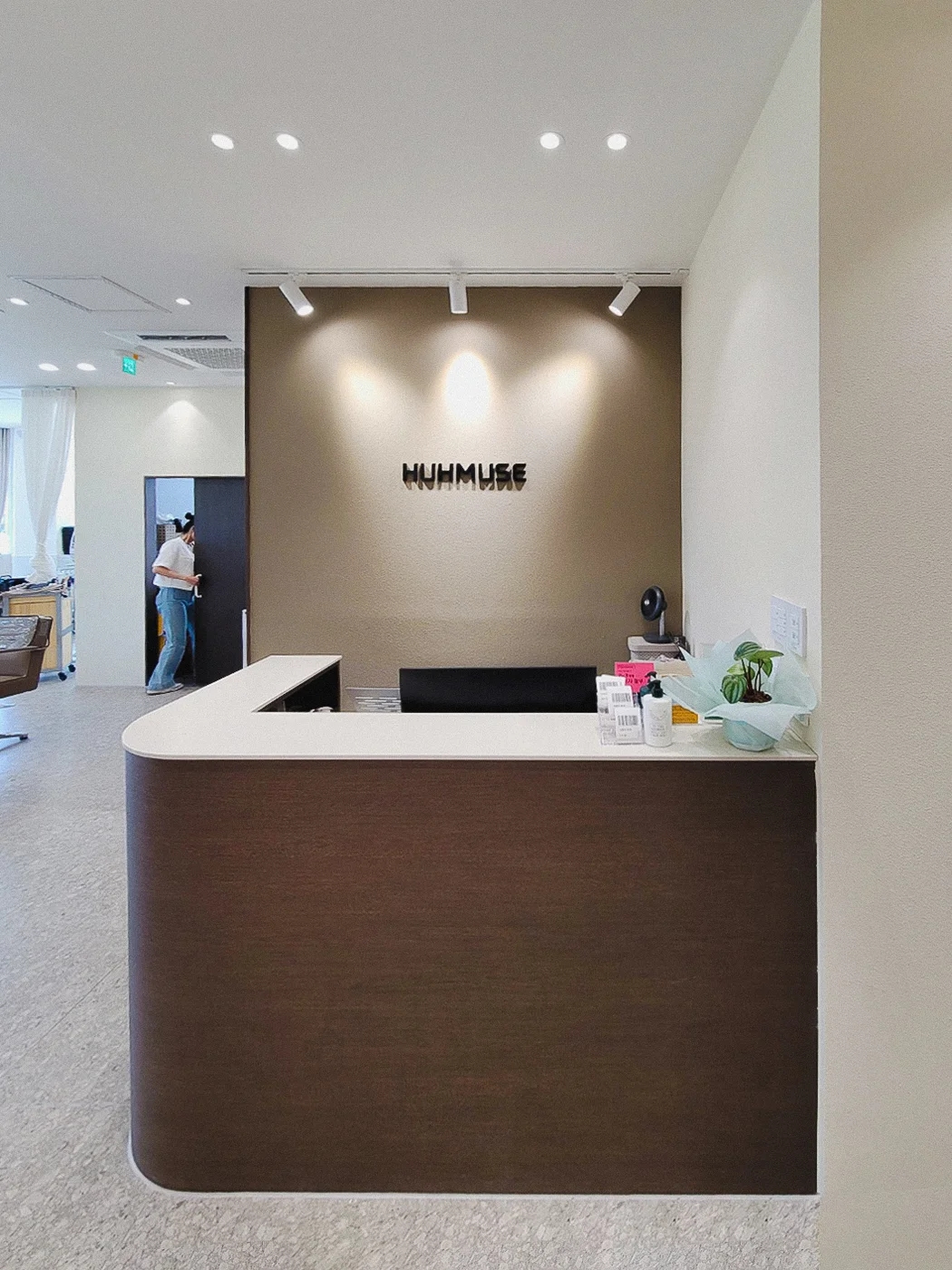
If choosing everything at once is difficult, start with the largest surface and coordinate around it. A prominent entrance counter can also be the reference. Use actual coverage and position rather than prescribed ratios.
Colors under daylight and interior lighting
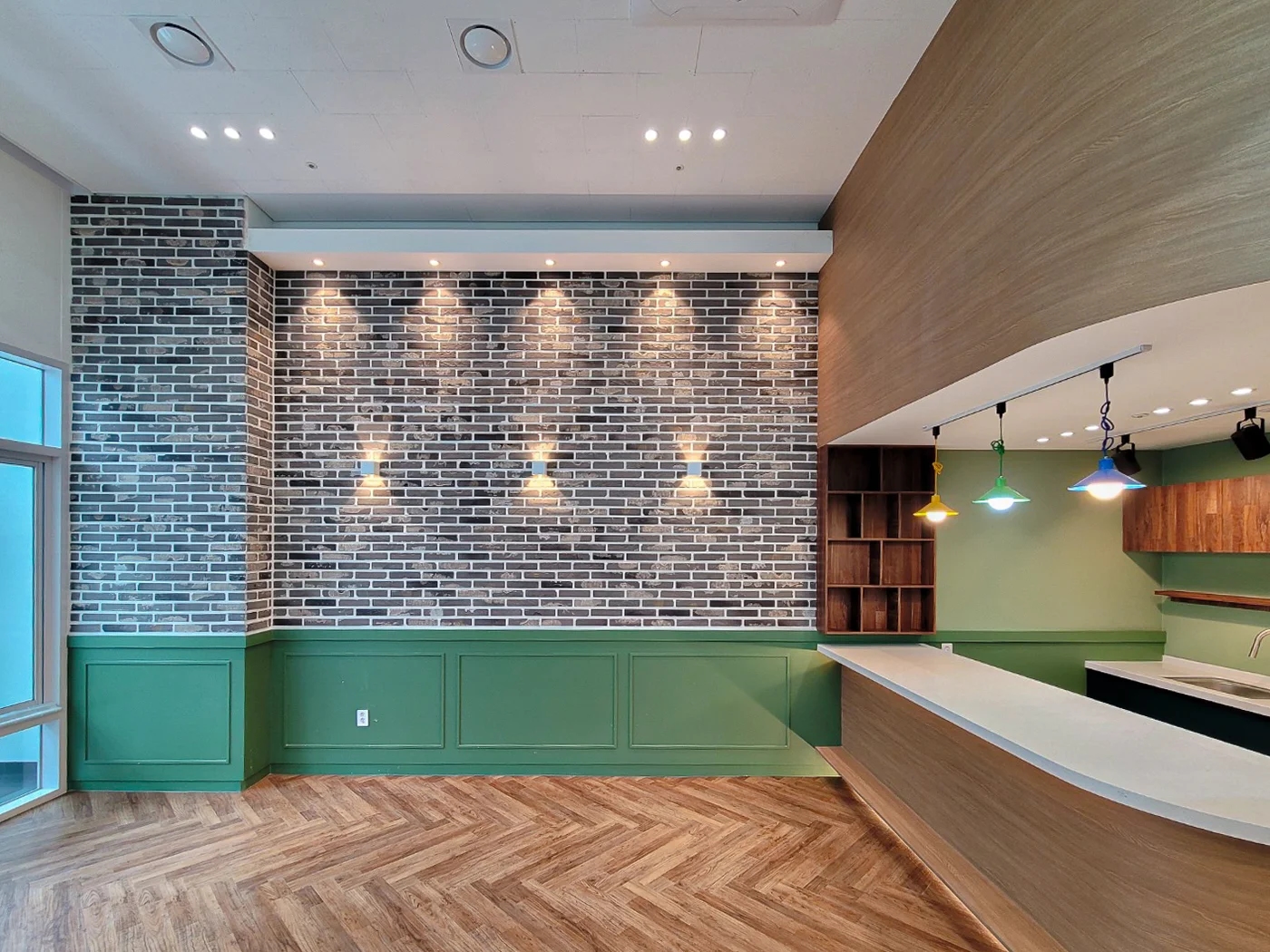
The same material can look different in showrooms, phone screens, and on site. LX Z:IN provides information on showrooms for viewing real products. After screen-based shortlisting, check physical samples where possible.
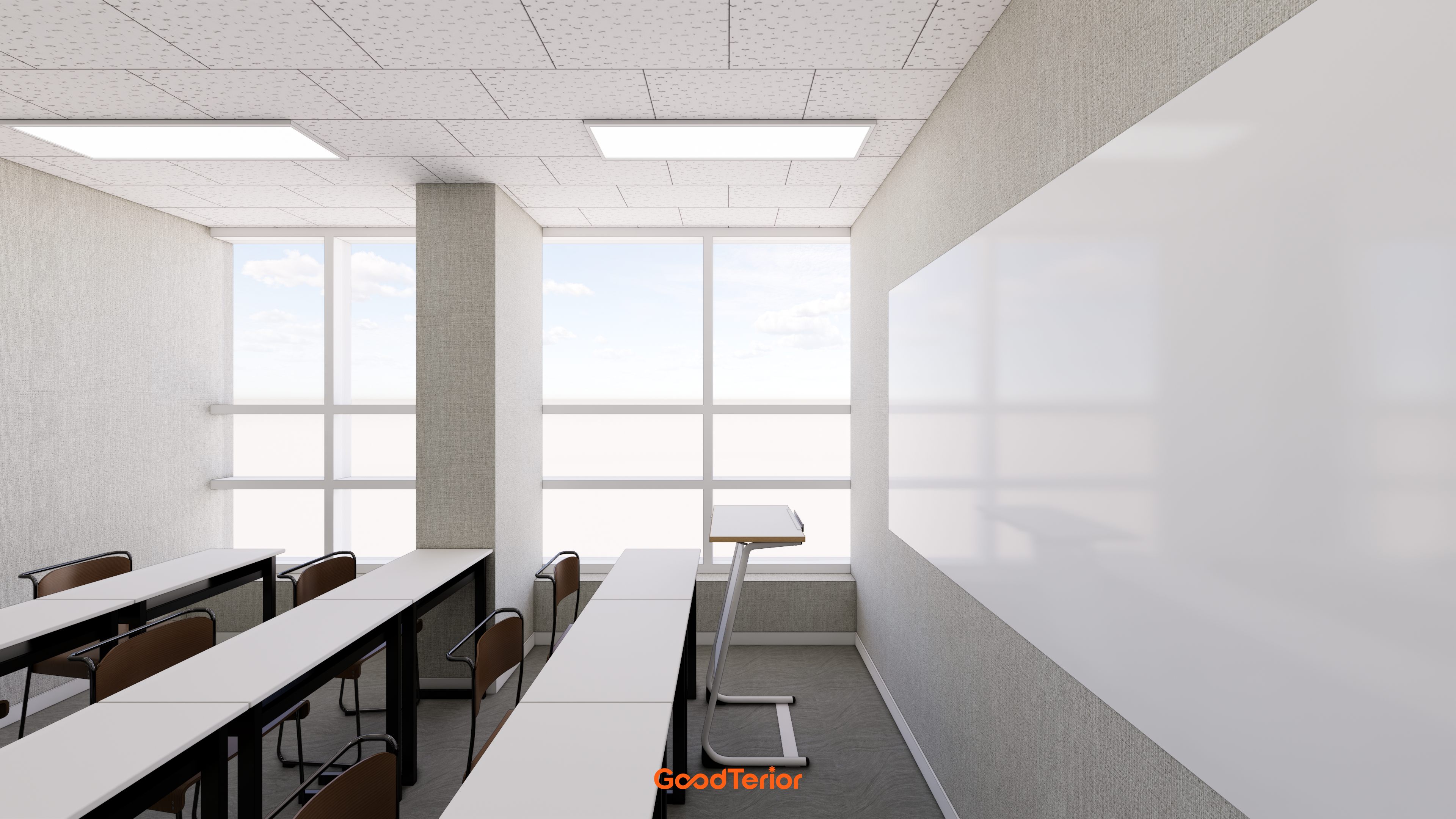
View window-side samples in daylight and under selected lighting. Stand wall samples upright and lay floor samples flat. If colors change, identify changes in lighting or angle before replacing products.
View large patterns across broad surfaces
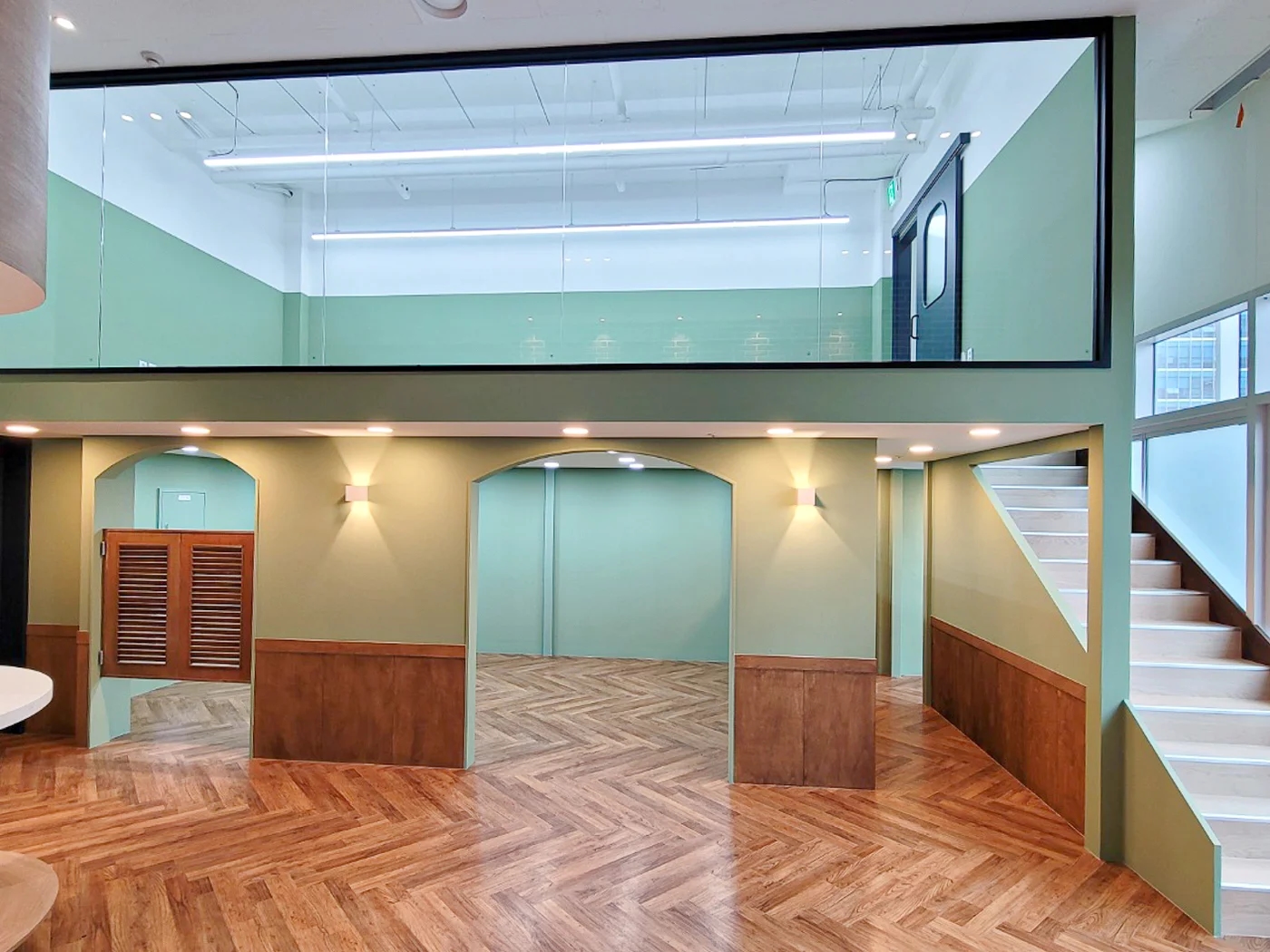
Small samples show only fragments. Request full patterns and installation images for broad timber grain or stone designs. Ask where repeats end and how patterns continue at doors and corners to understand the finished result.
Strong patterns across several materials can compete. Compare a calm wall beside an emphasized floor pattern. This assesses design preferences rather than superior performance. Recording what you like about each option steadies decisions.
Similar colors, different textures and care
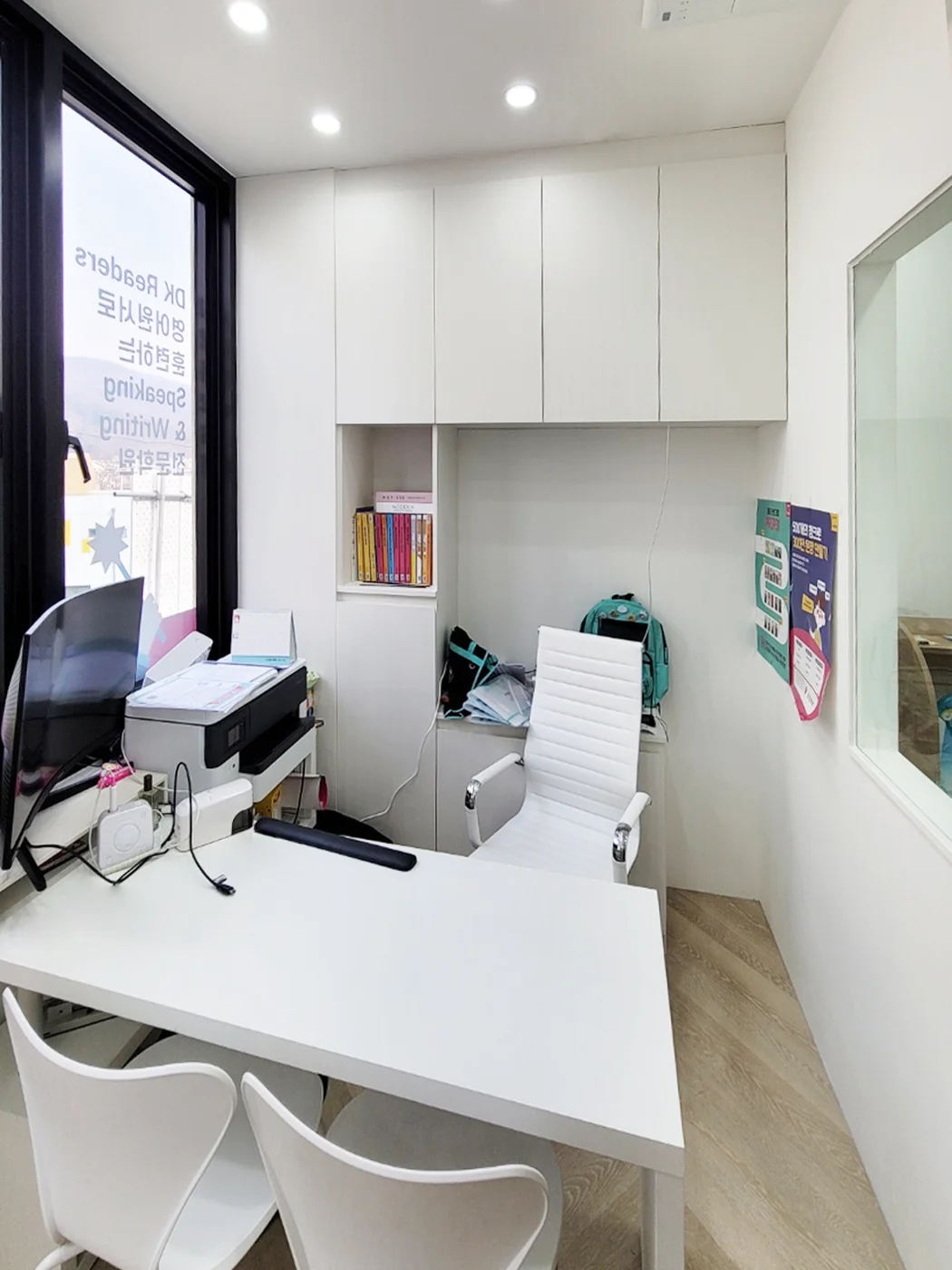
Smooth reflective gray and rough gray surfaces create different impressions. For frequently touched counters or potentially soiled walls, inspect actual surfaces and ask about care. Photographic texture cannot establish durability or stain-removal performance.
For visually similar substitutes, review application, thickness, fabrication, and installation as well as color. Check changed levels and edges where materials meet to understand effects on related work.
Record approved product codes and locations
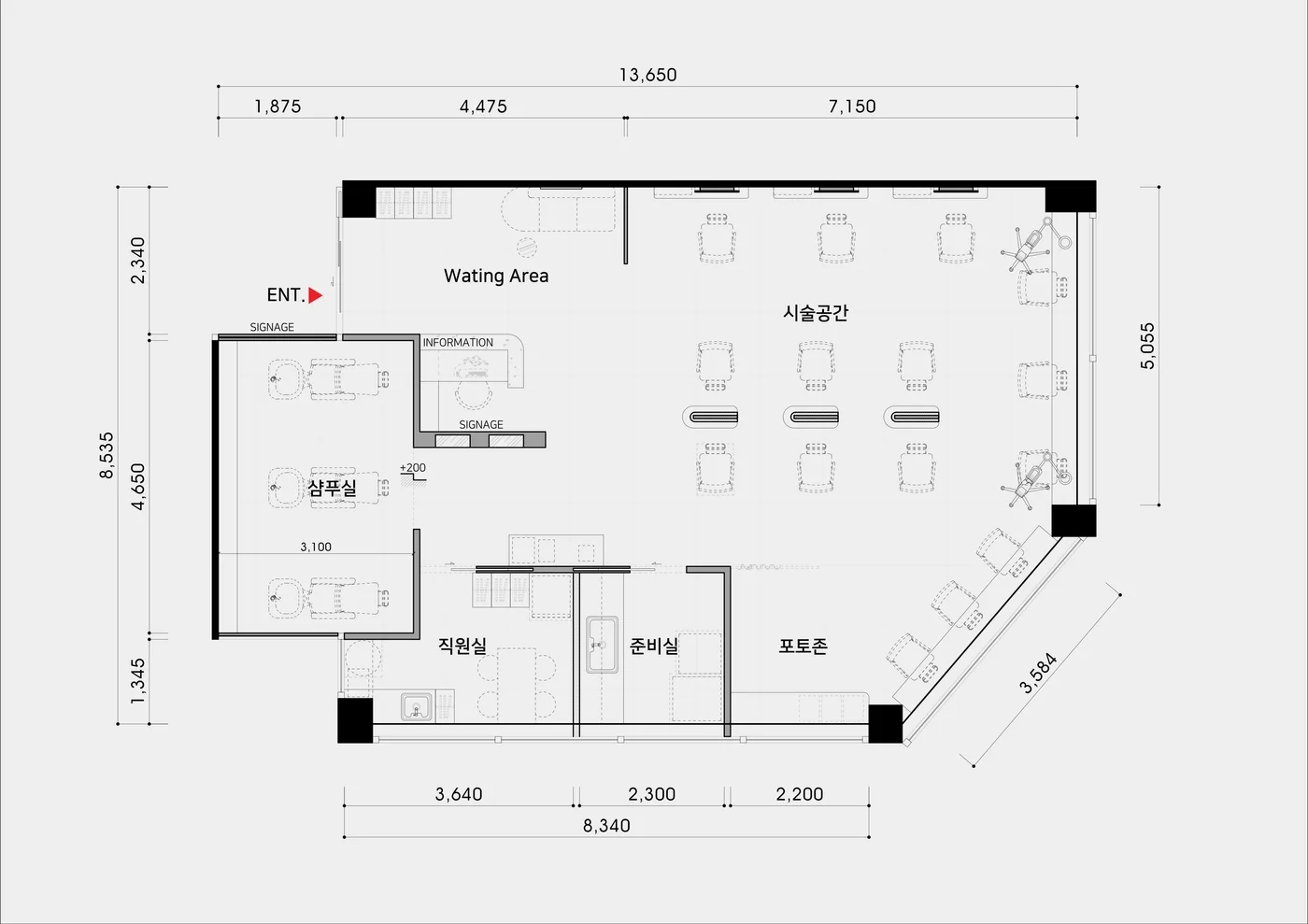
A bright-timber note is difficult to trace later. Record manufacturer, product, code, and application location, retaining final sample photographs. Images help documentation but do not guarantee exact physical color.
If substitutions are needed after selection, compare them beside the original combination rather than alone. Update quotes and drawings too. Identify approved sample records among multiple versions so contractors share the same information.
What to check at this stage
- Have product codes and installation locations been recorded?
- Have substitutes been compared again with surrounding materials?
Ask us about your interior project
We can discuss a quote and design suited to the space you are planning.
Request a free consultation