Substrates and corners to check before architectural film installation
Before choosing architectural film patterns, inspect the surface receiving them. Review existing-finish overlays, corners and joints, grain direction, and easily missed quote inclusions.

Before you begin
- Film changes surface appearance; it does not repair damaged substrates.
- Confirm compatibility with existing finishes against products and site conditions.
- Review corners, door gaps, and joints alongside broad surfaces.
What to cover and what to replace
Architectural film can change colors and patterns on existing doors, furniture, and walls. Covering a surface differs from repairing the component itself. Warped doors or unstable furniture need operational issues checked first.
Distinguish usable cabinet doors needing only color changes from damaged leaves requiring replacement. This establishes whether film, painting, or component replacement should be considered. Even after photographic quote inquiries, confirm final feasibility on site.
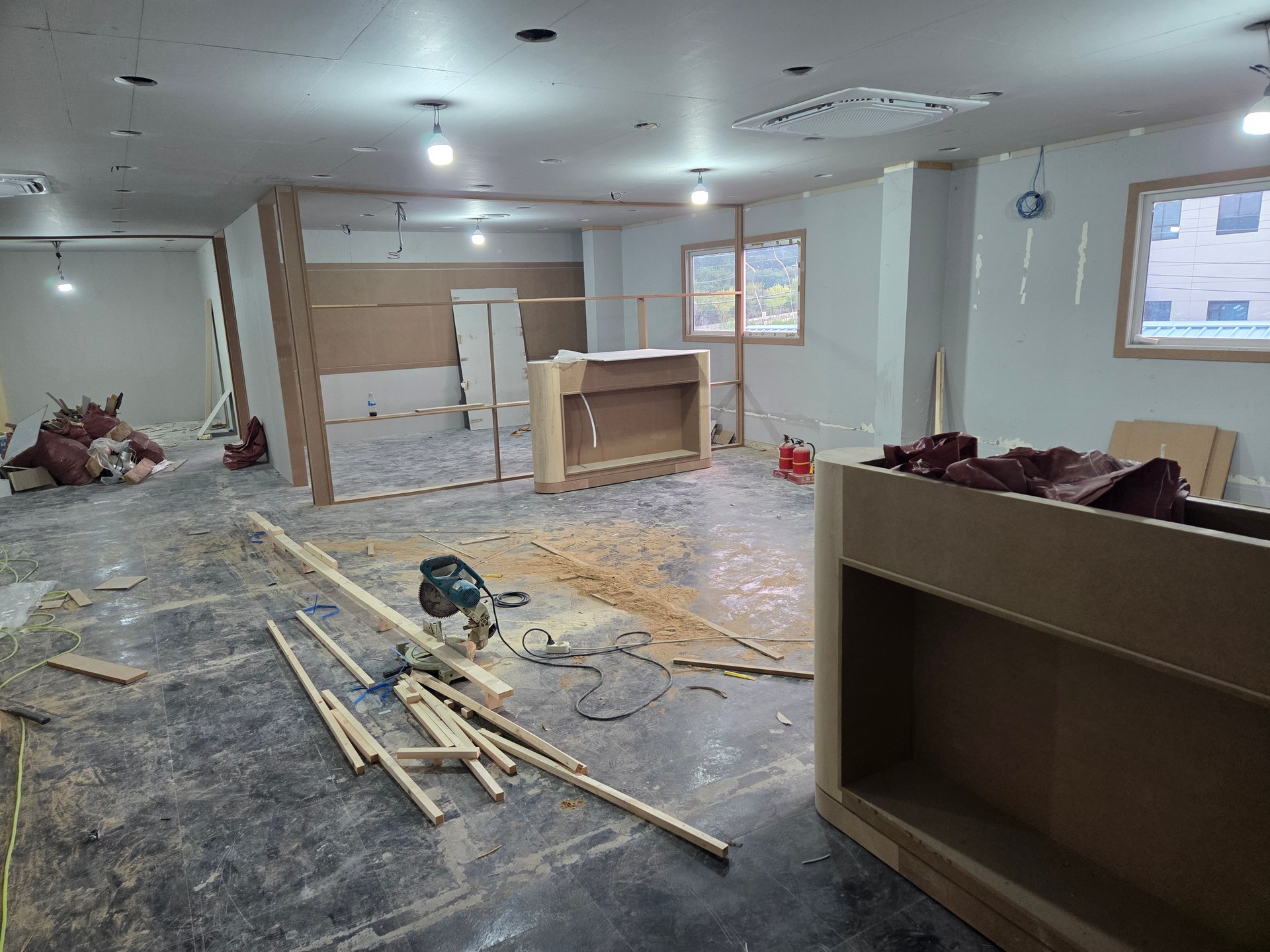
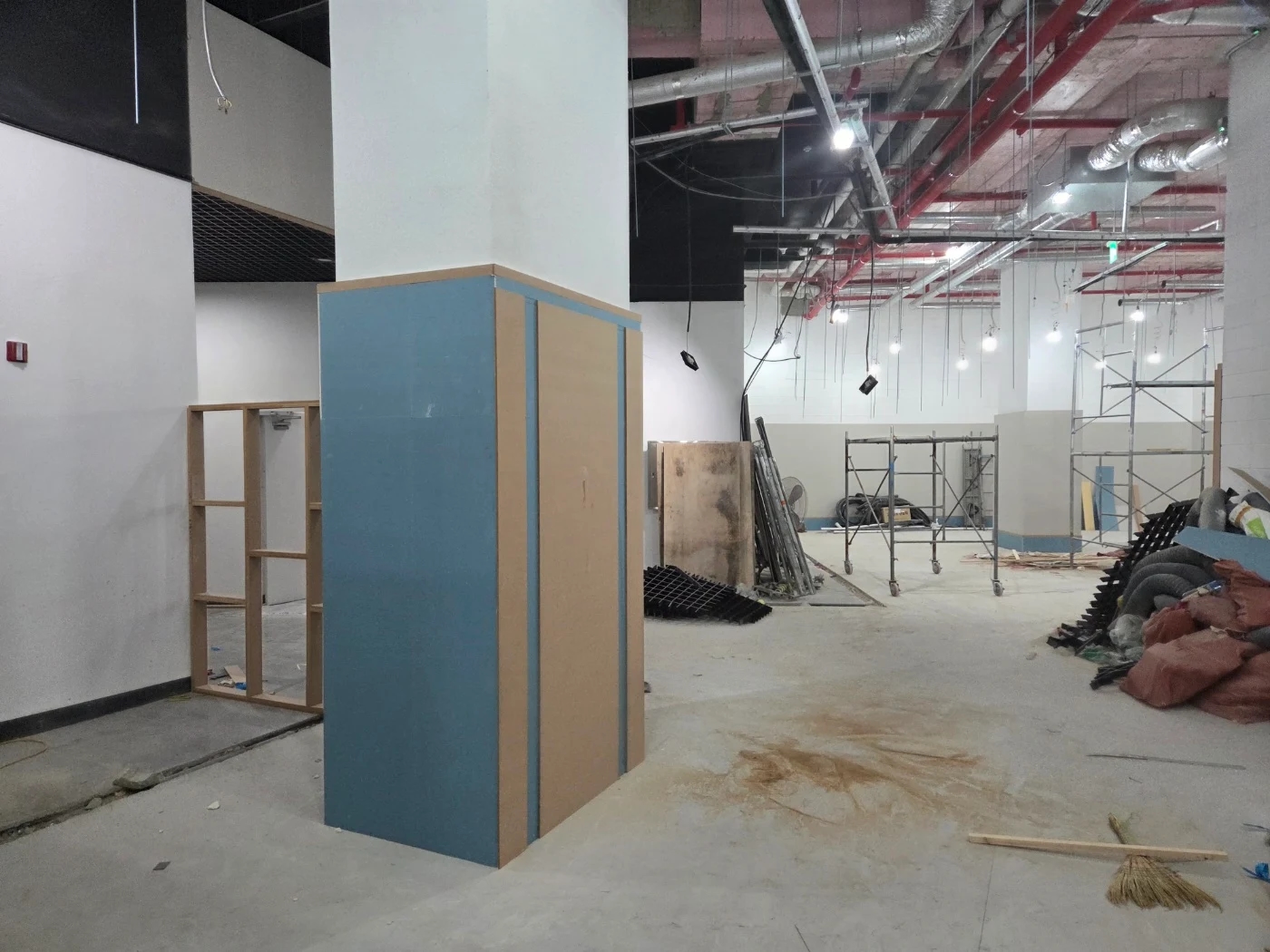
Preparing lifted or damaged substrates
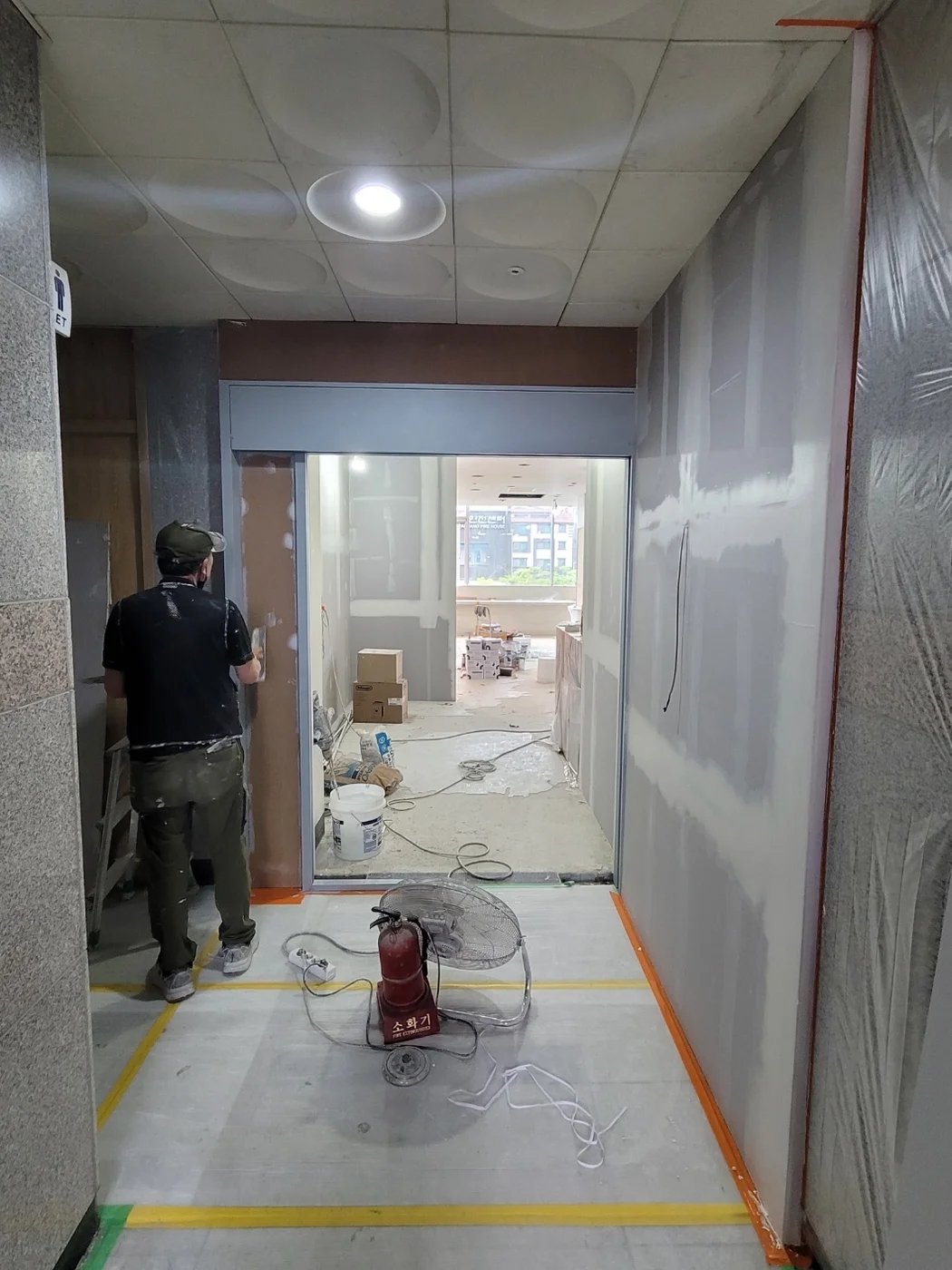
The receiving surface is the substrate. Beyond apparent cleanliness, check loose coatings, joints, and dents. 3M's preparation guidance also separates treatment and adhesion checks by substrate type. A particular product's procedure does not apply identically to all films.
Clients do not need to sand surfaces or apply chemicals themselves. Ask the installer which repairs are needed and included in the quote. Distinguishing retained and removed existing finishes clarifies scope.
Film finishes at corners and door gaps
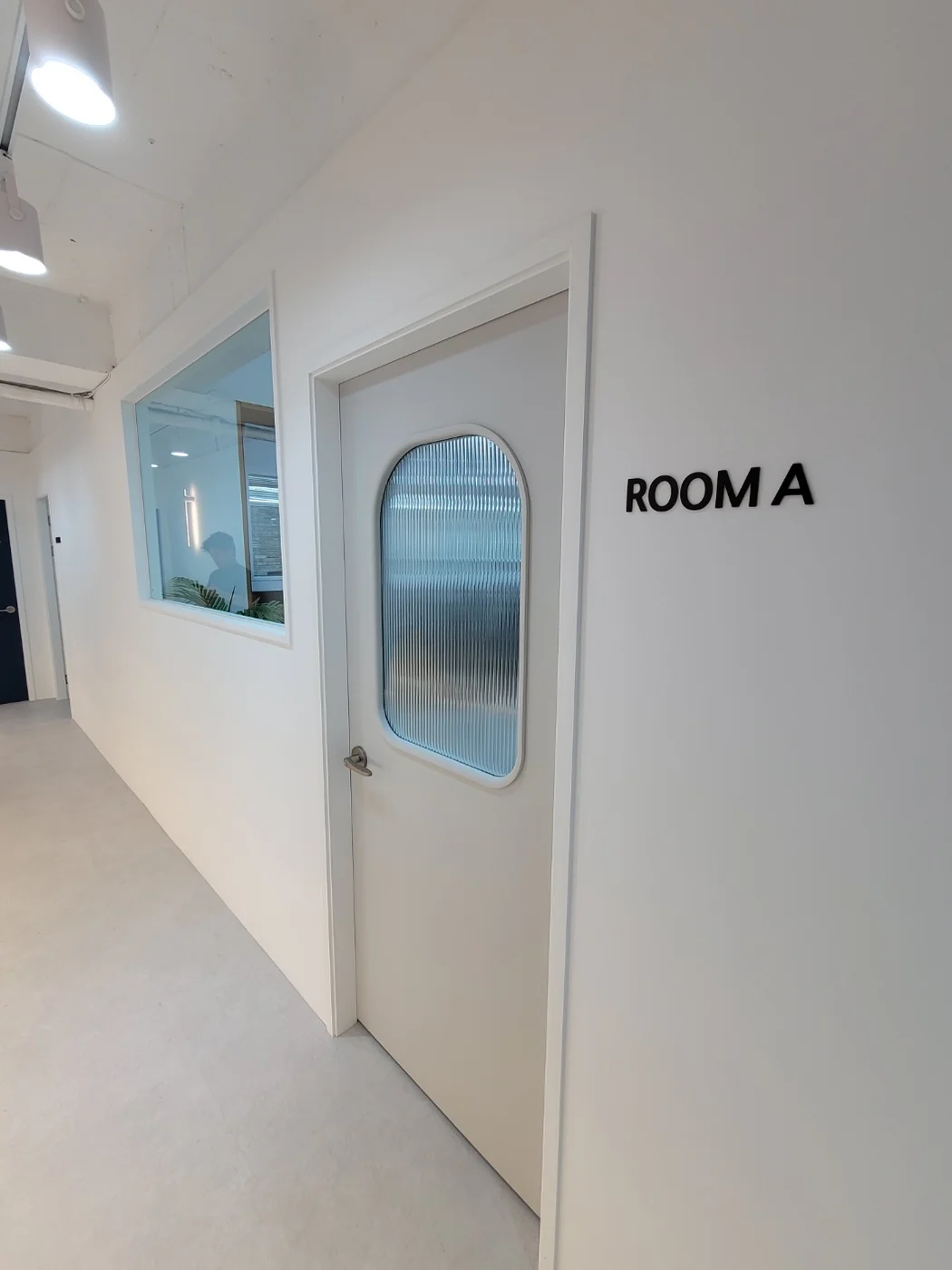
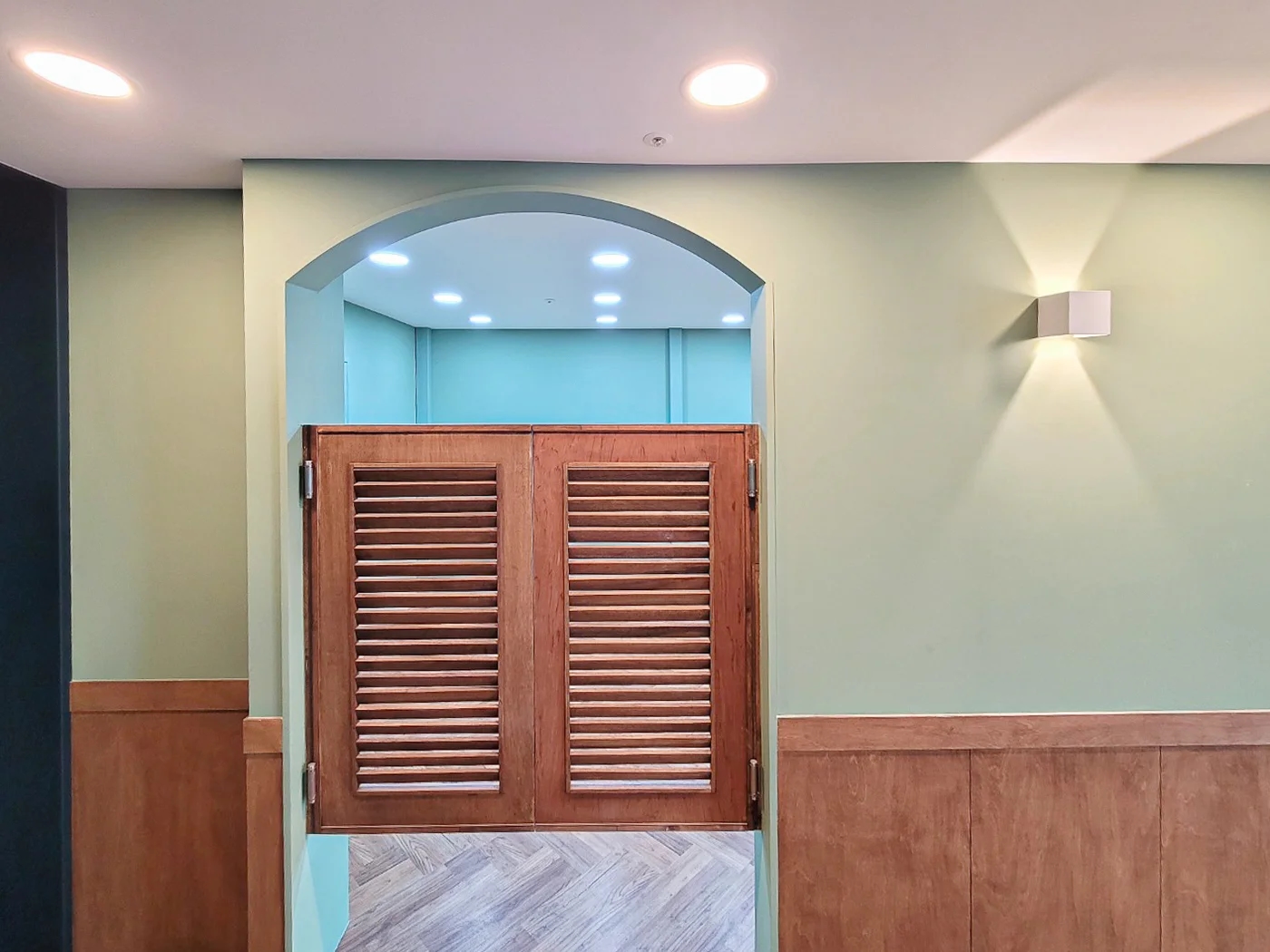
Broad patterns can distract from terminations beside frames and corners. Review moving door parts, frequently touched edges, and junctions with other materials. Agree joint locations before work too.
Curves and complex forms have product-specific conditions. Ask whether the selected product suits the shape rather than accepting claims that it adheres anywhere. After installation, inspect edge finishing and door operation together.
Grain direction and repeats in timber-pattern films
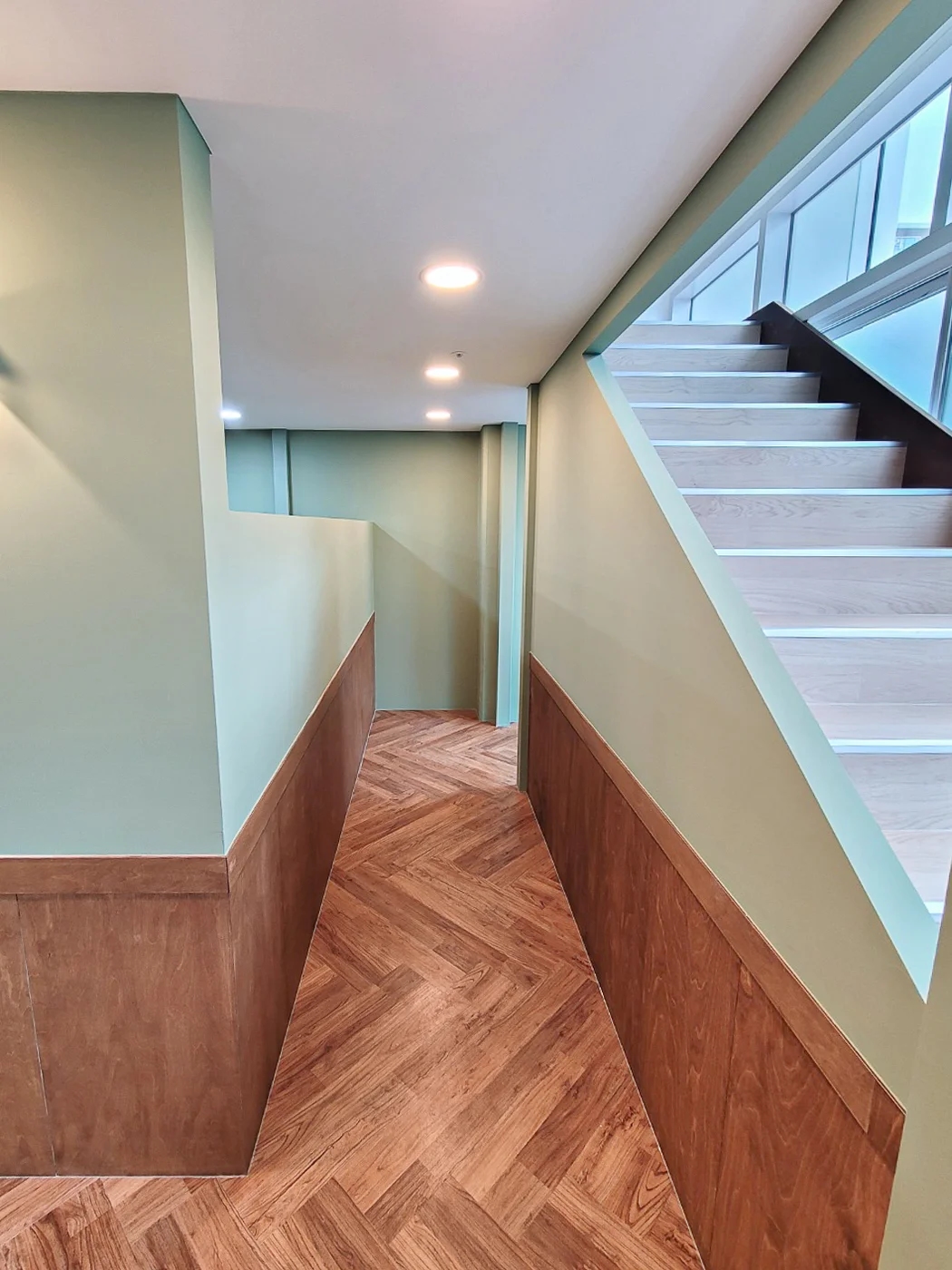
Grain direction affects the interior alongside small-sample color. Consider continuity across long walls and adjacent doors. Use broad installation views and samples together, checking actual product repeat patterns.
Similar timber colors can differ beside floors or furniture. Compare surrounding finishes under installation-area lighting. Appearance alone cannot distinguish solid timber from film; confirm product information.
Repair work and hardware costs
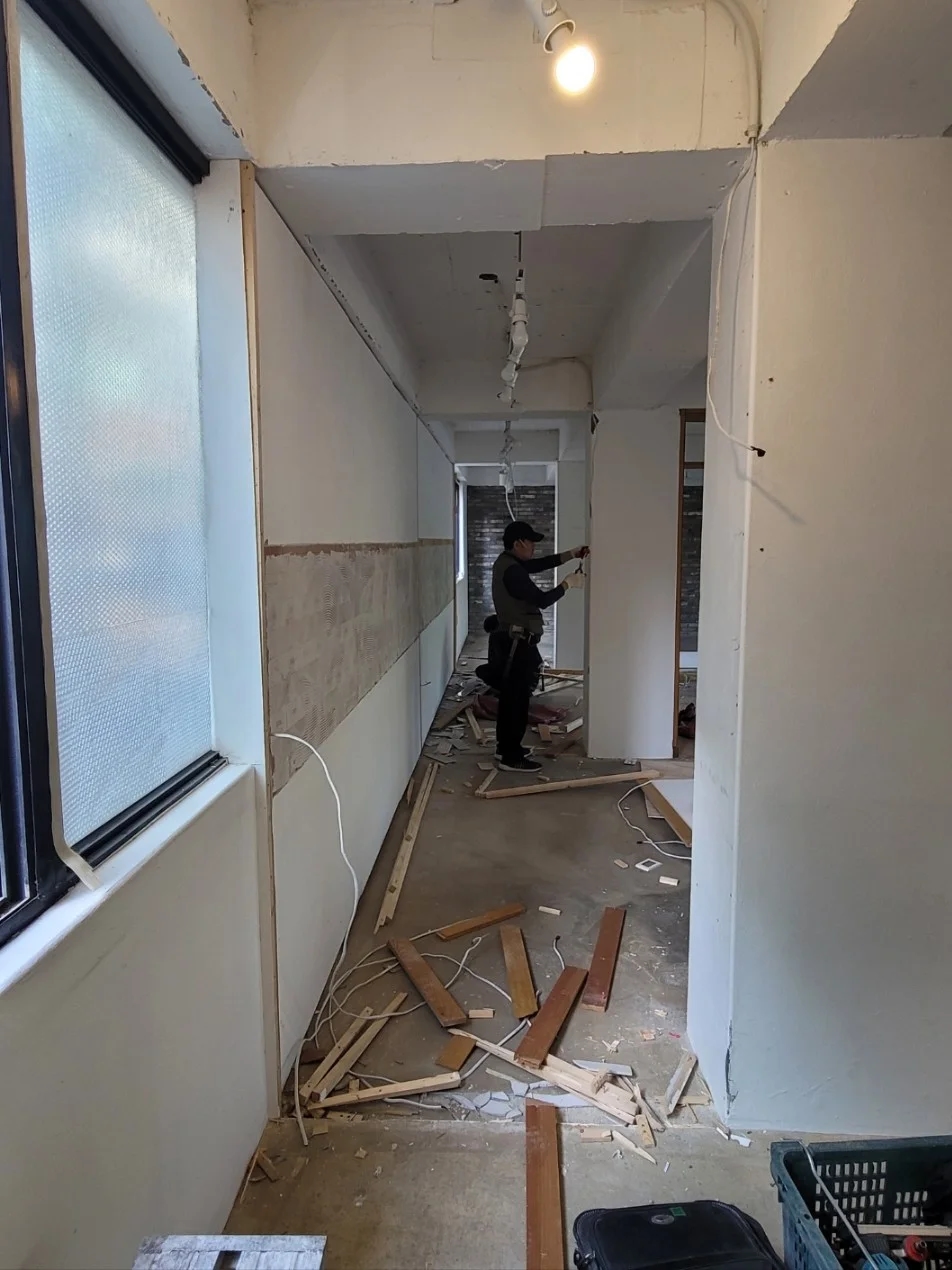
Film quotes depend on shape and substrate condition as well as area. Confirm treatment of handles and hinges and the extent of surface repairs and finish cleanup. For retained components, check original functionality after work.
Obtain cleaning instructions and conditions to avoid. If film lifts, report location and photographs rather than applying adhesive arbitrarily. Retain product codes and installation zones for future repairs.
Ask us about your interior project
We can discuss a quote and design suited to the space you are planning.
Request a free consultation