Commercial flooring: choosing vinyl tiles and ceramic tiles
Commercial flooring includes vinyl tiles, sheet flooring, and ceramic tiles. Before comparing appearance and price, narrow options by traffic, water exposure, substrate condition, and repair methods.

Before you begin
- Similar stone patterns can use different materials and installation methods.
- Compare demolition, substrate preparation, and edge finishes alongside flooring prices.
- Confirm performance and suitable applications through product information rather than photographs.
A timber pattern does not always mean timber flooring
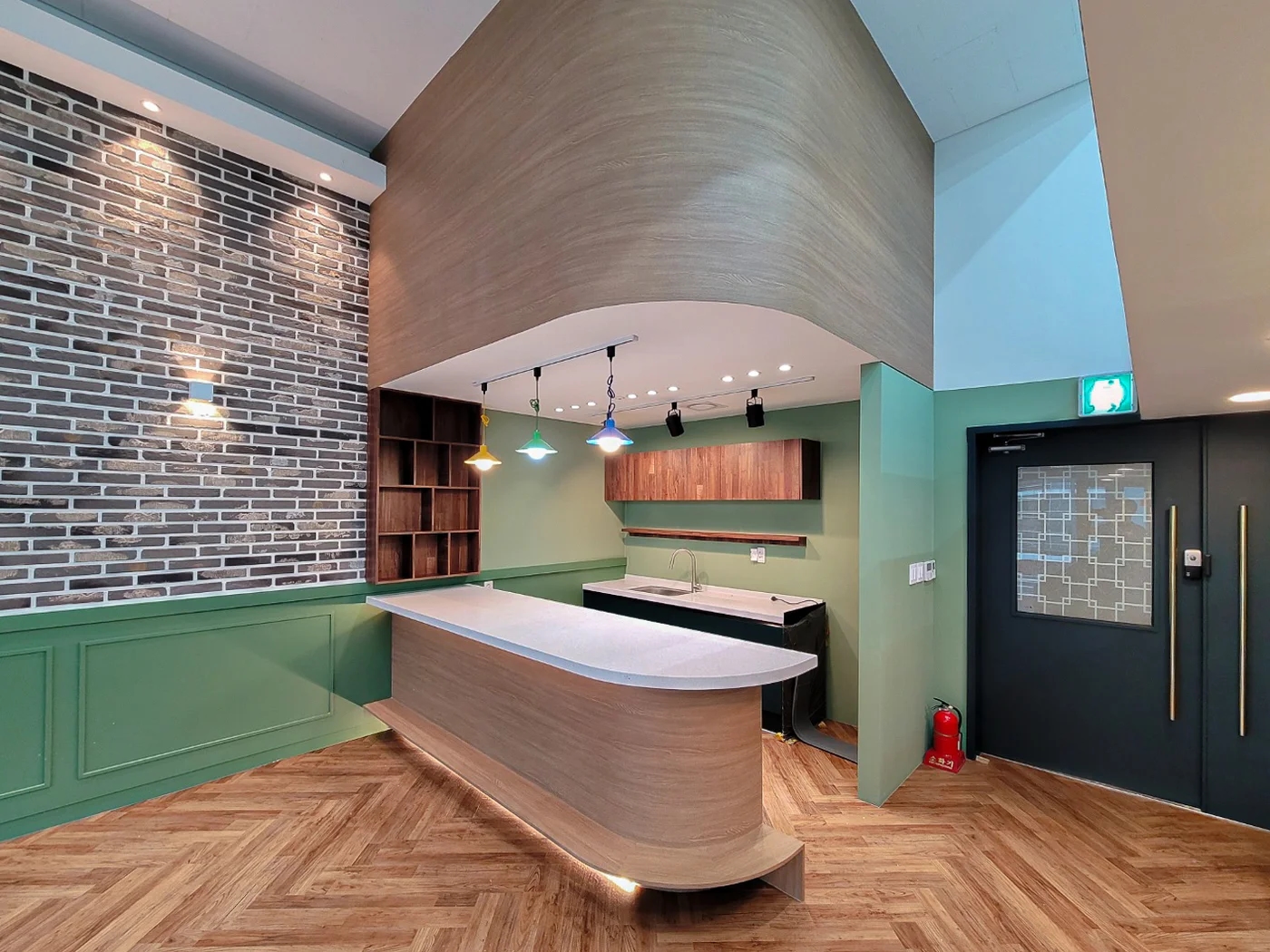
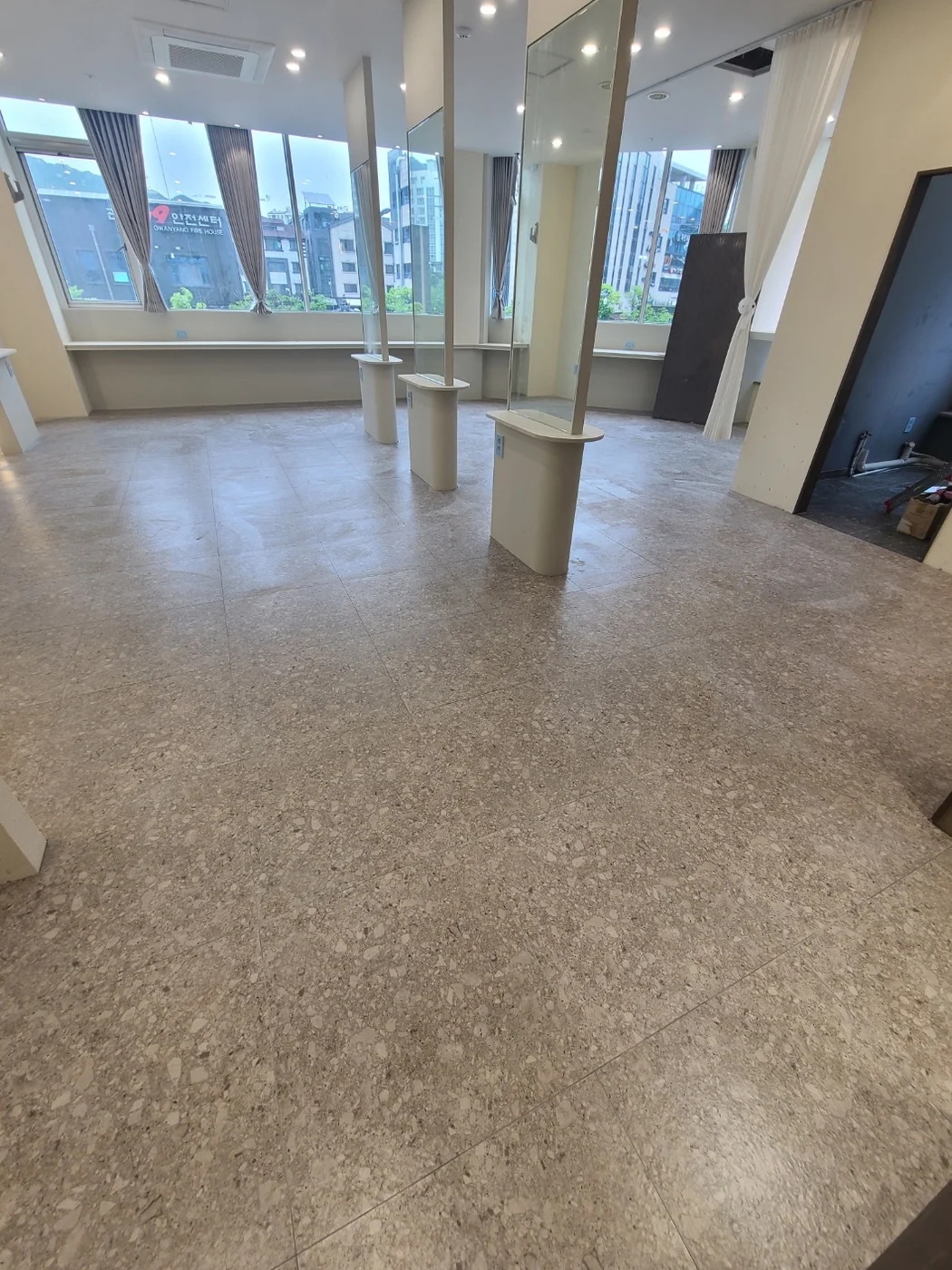
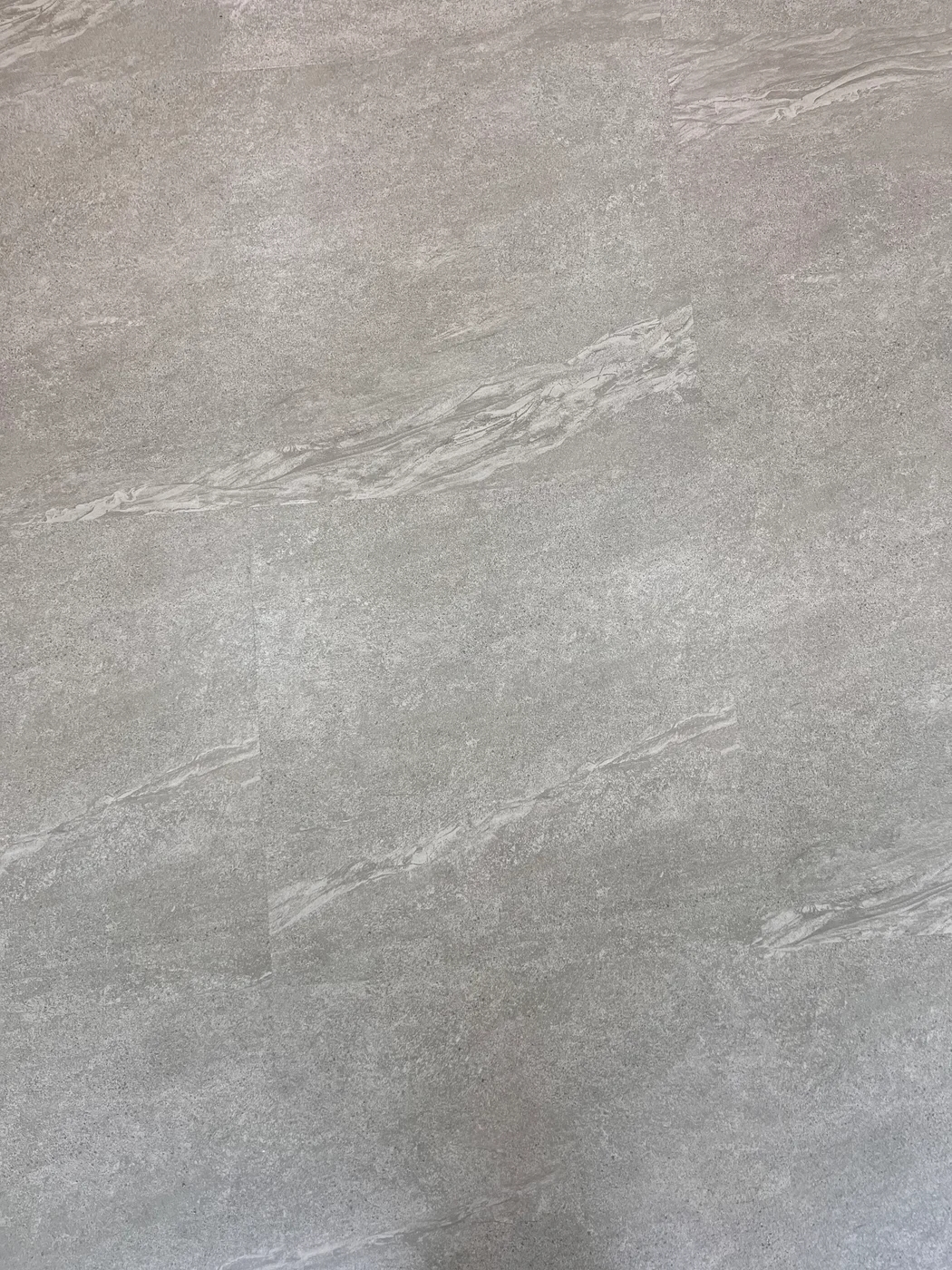
Vinyl tiles and ceramic tiles may seem similar while browsing commercial flooring. Vinyl tiles reproduce timber, stone, and other patterns in PVC-based flooring. A stone-like design does not make the material equivalent to ceramic or porcelain tile.
Distinguish broad sheet flooring from individual pieces too. Thickness, surface construction, installation, and applications vary even within a product category. Narrow choices, then check manufacturers' documentation for suitability in your space.
Floors for traffic and floors exposed to water
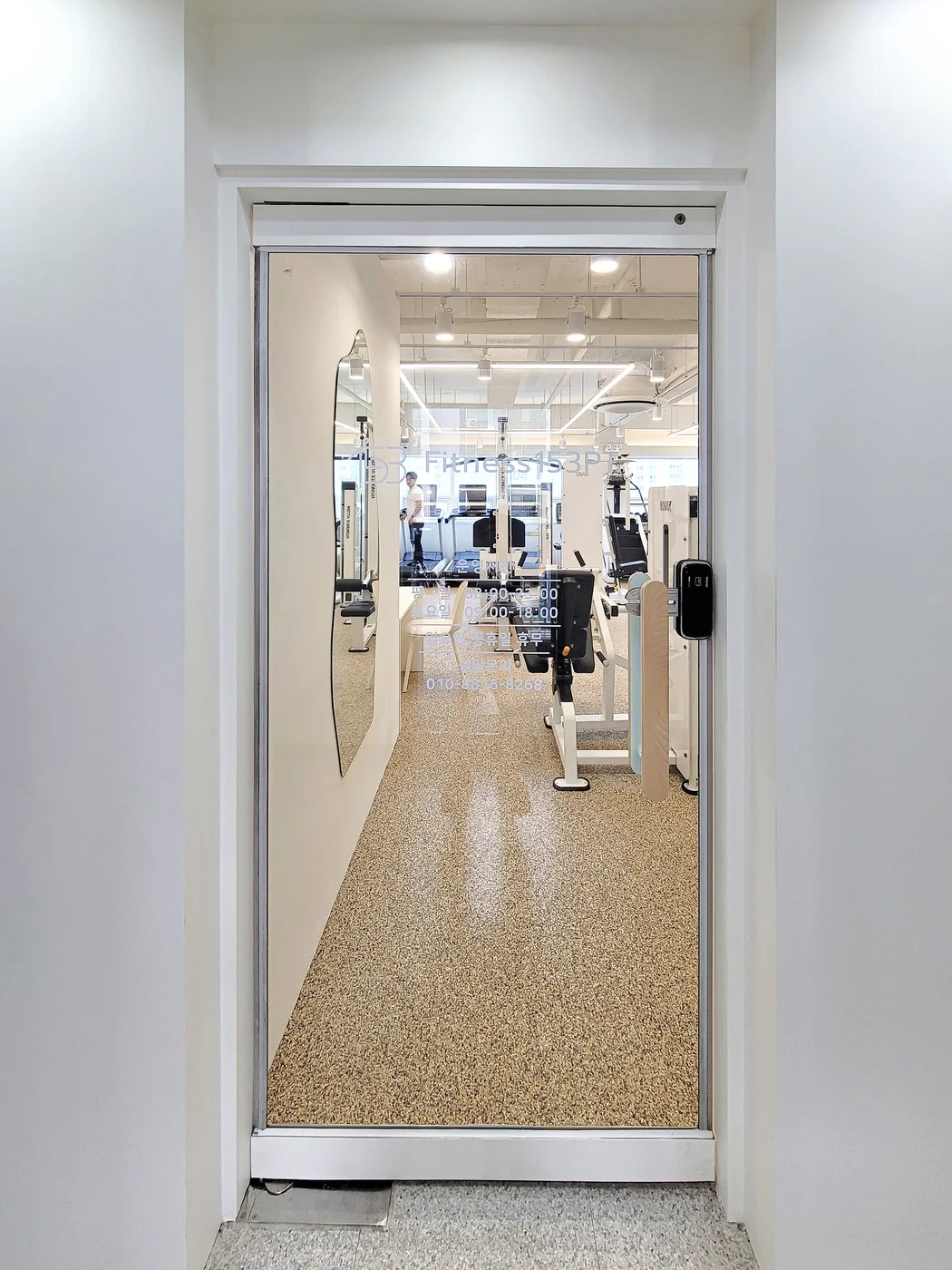
Start with recurring activities rather than asking which material is best. Distinguish office chair-wheel routes, salon areas exposed to water or chemicals, and busy retail entrances and registers.
Describe those uses to the responsible person and ask about product-specific care. A stain-resistant label may be insufficient. Check which stains can be removed, how, and which cleaners are prohibited to obtain useful operational guidance.
What to check at this stage
- Have you distinguished wet areas and frequently moved-chair areas?
- Have you confirmed cleaning methods and suitable cleaners?
Small samples versus a fully floored shop
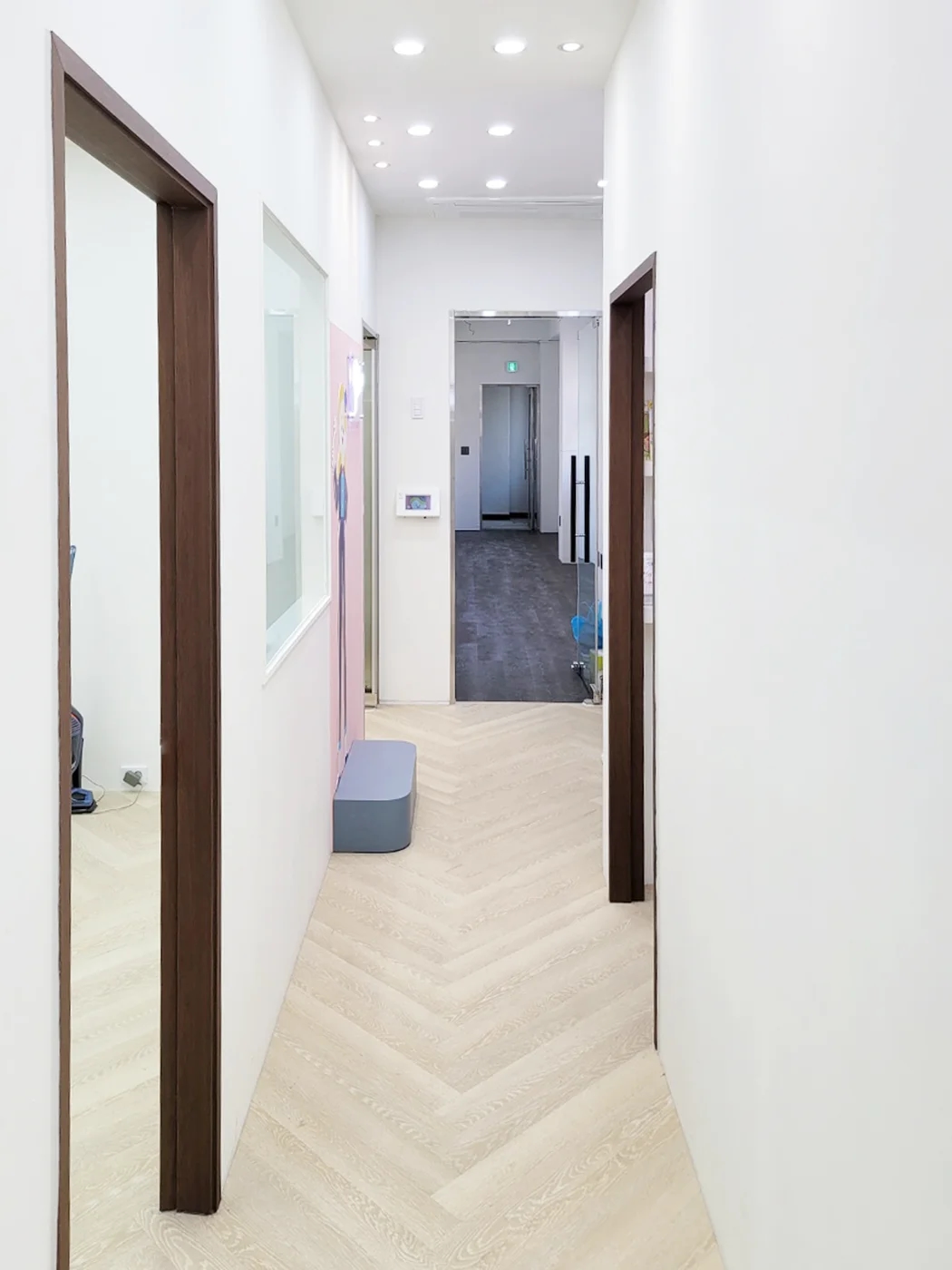
Flooring occupies a large interior surface. A subtle palm-size pattern can look different when repeated throughout. Review pattern scale, repetition, and grout or joint directions in broad installation photographs alongside real samples.
Compare light flooring beside walls and furniture. Similar grays may feel warmer or cooler. Lighting and photography change apparent color, so avoid using photographs as final product approval.
Substrate work and thresholds easily missed in flooring prices
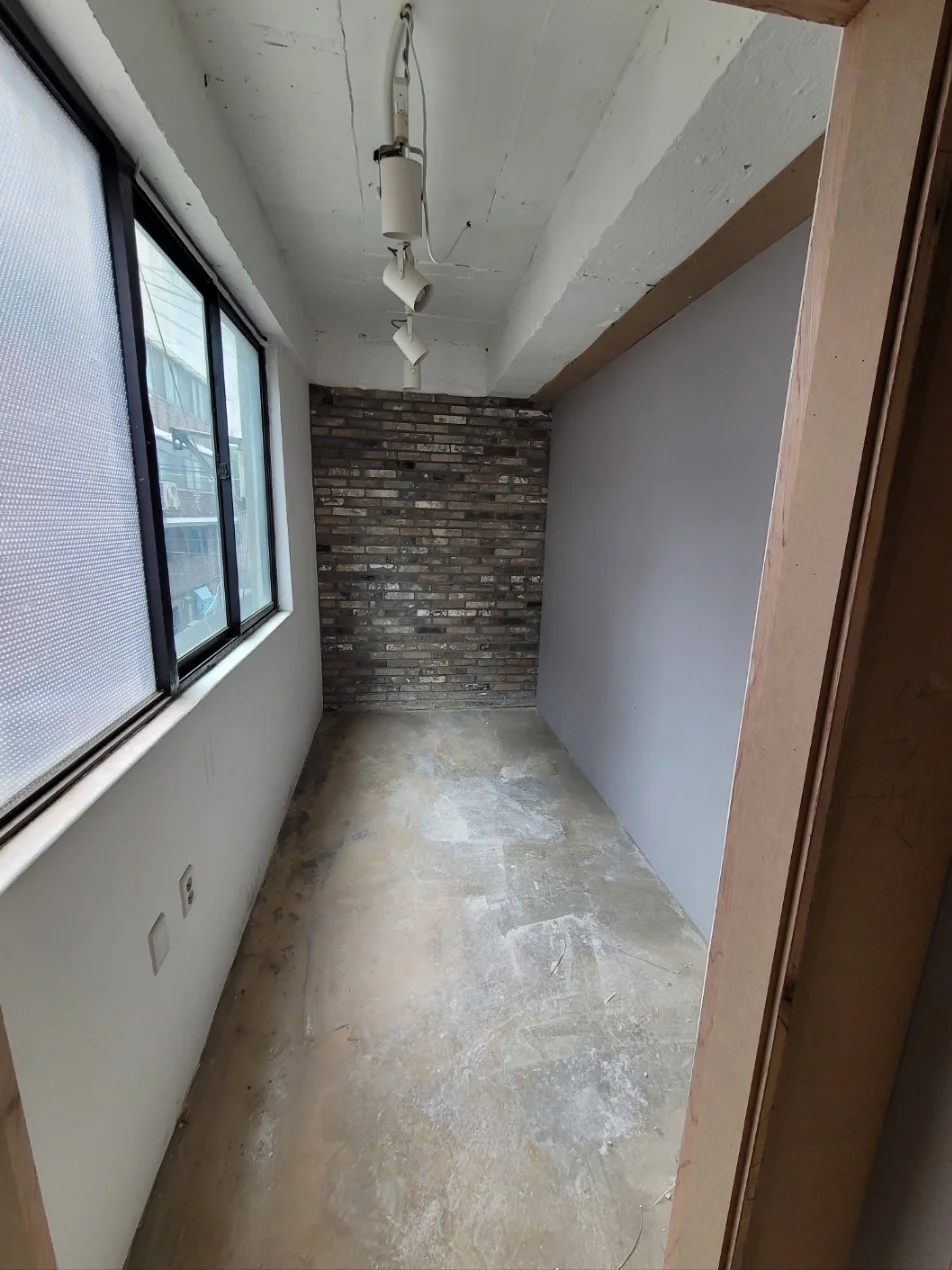
Unit prices alone can hide total cost differences. Check removal of existing floors, substrate preparation, skirting, and entrance junctions separately. The same product may require different work according to site condition.
For overlays, review door clearance and adjoining floor heights together. Moisture and lifting require on-site professional assessment. Rather than assuming covering solves the issue, request an explanation of conditions checked before proceeding.
Can isolated damage be replaced?
Consider operational repairs as well as initial appearance. Ask whether sections can be replaced, matching colors and patterns obtained later, and how much surrounding space repairs require. Products do not all share the same repair method.
Retain product names, codes, and locations, discussing spare-material storage with the responsible person. Compare appearance, use conditions, installation scope, and care. Choose verified conditions for your space rather than blanket claims of low cost and durability.
Ask us about your interior project
We can discuss a quote and design suited to the space you are planning.
Request a free consultation