Post-construction cleaning quotes: defining inclusions
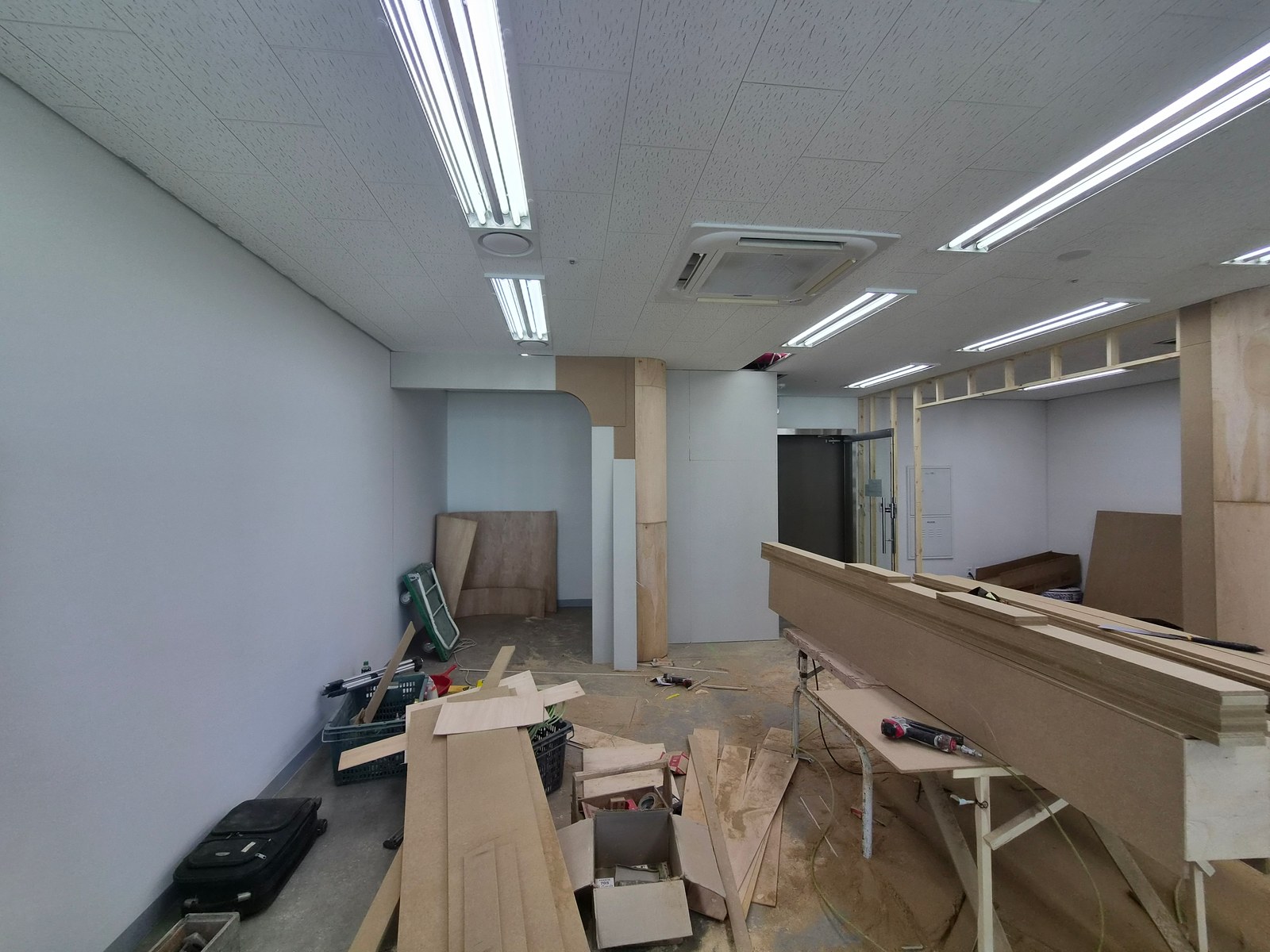
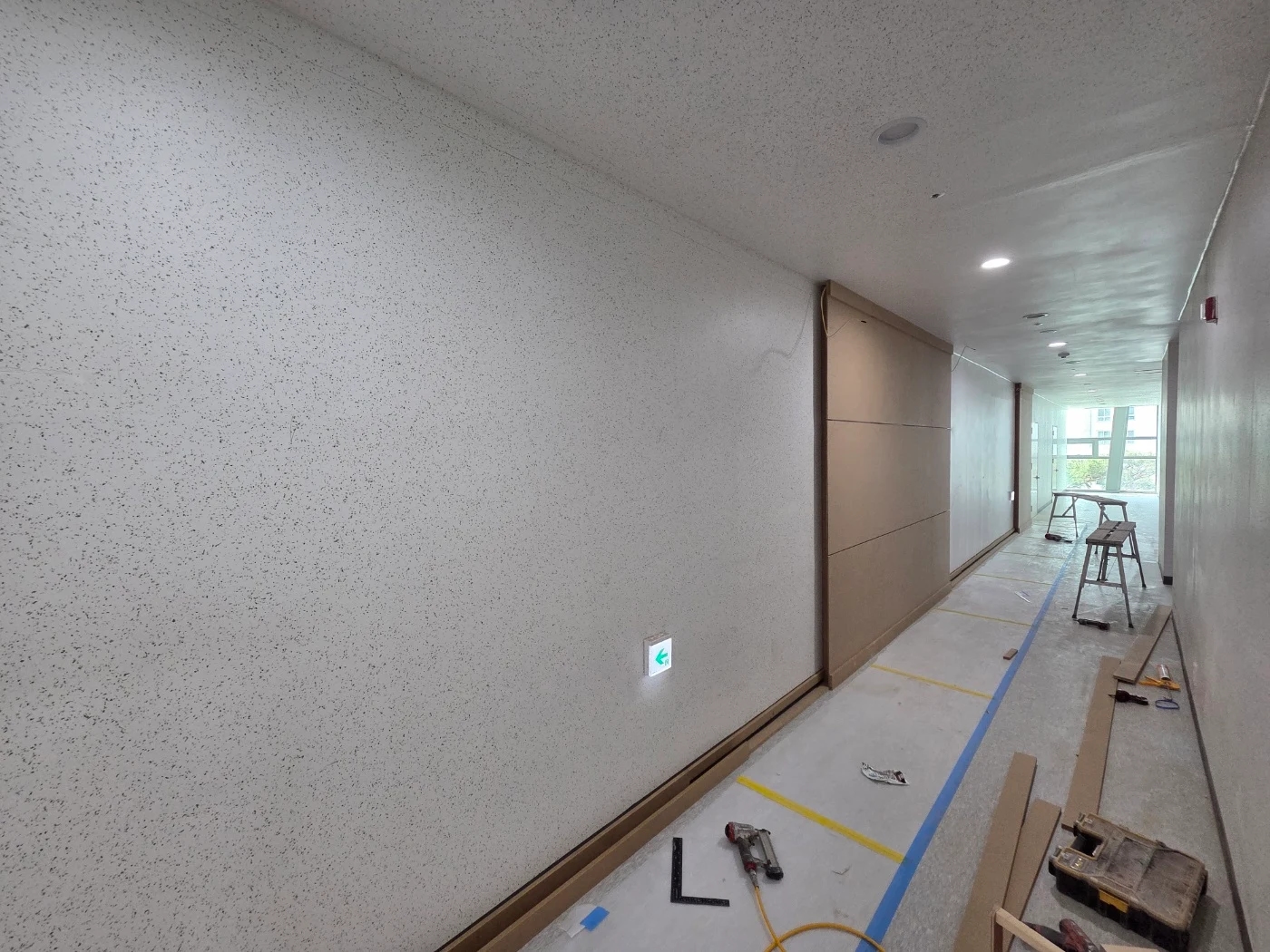
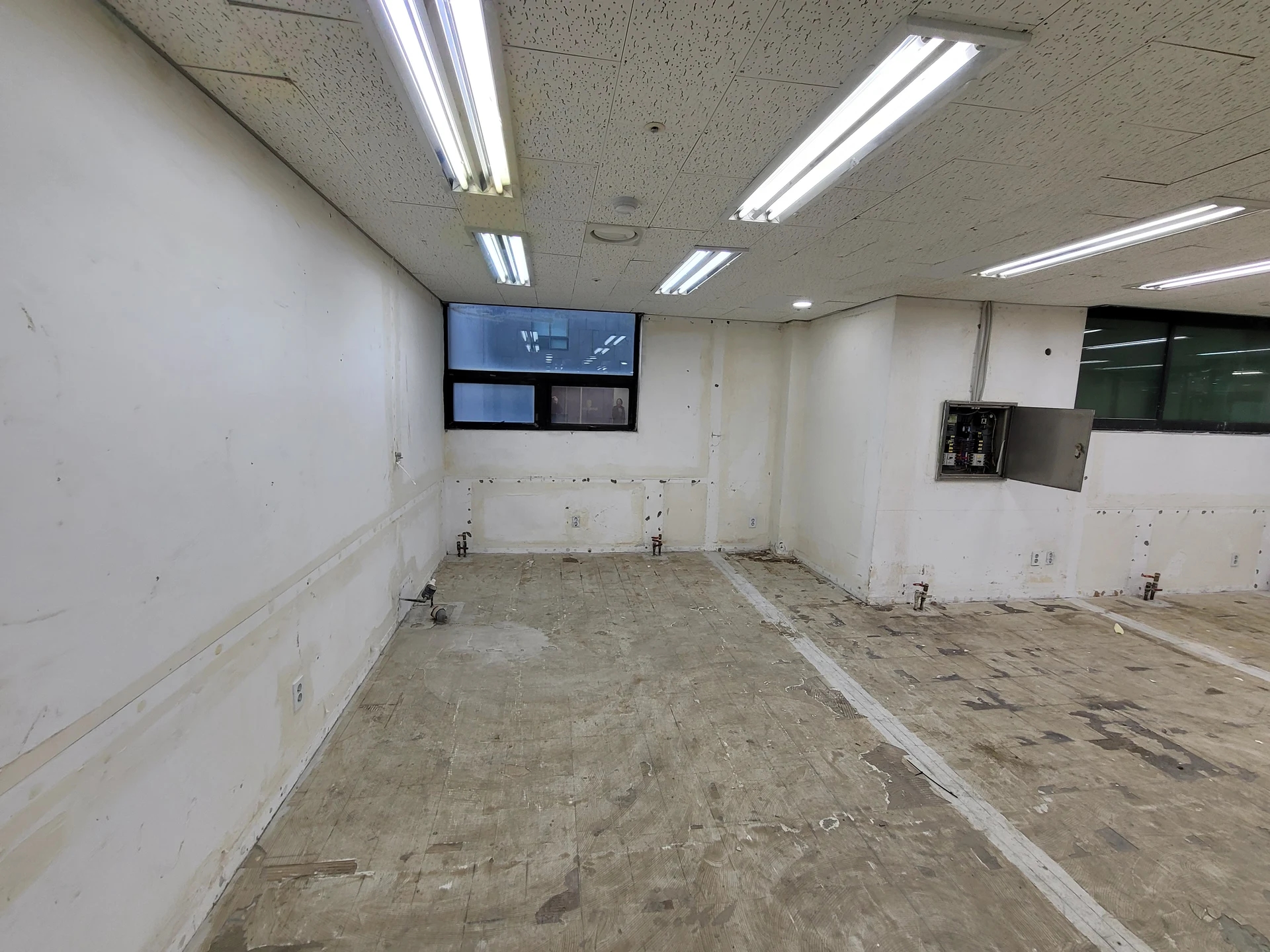
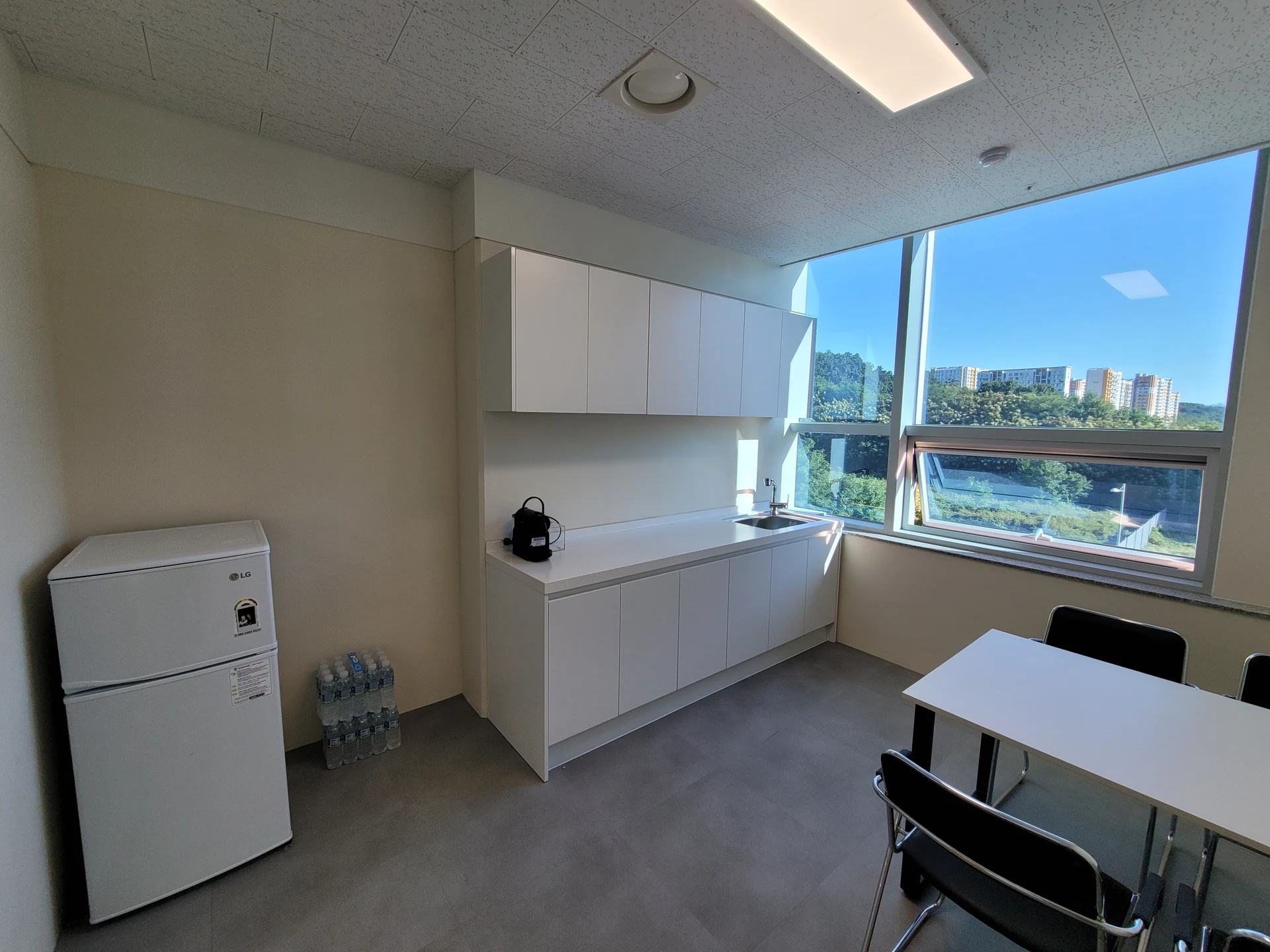
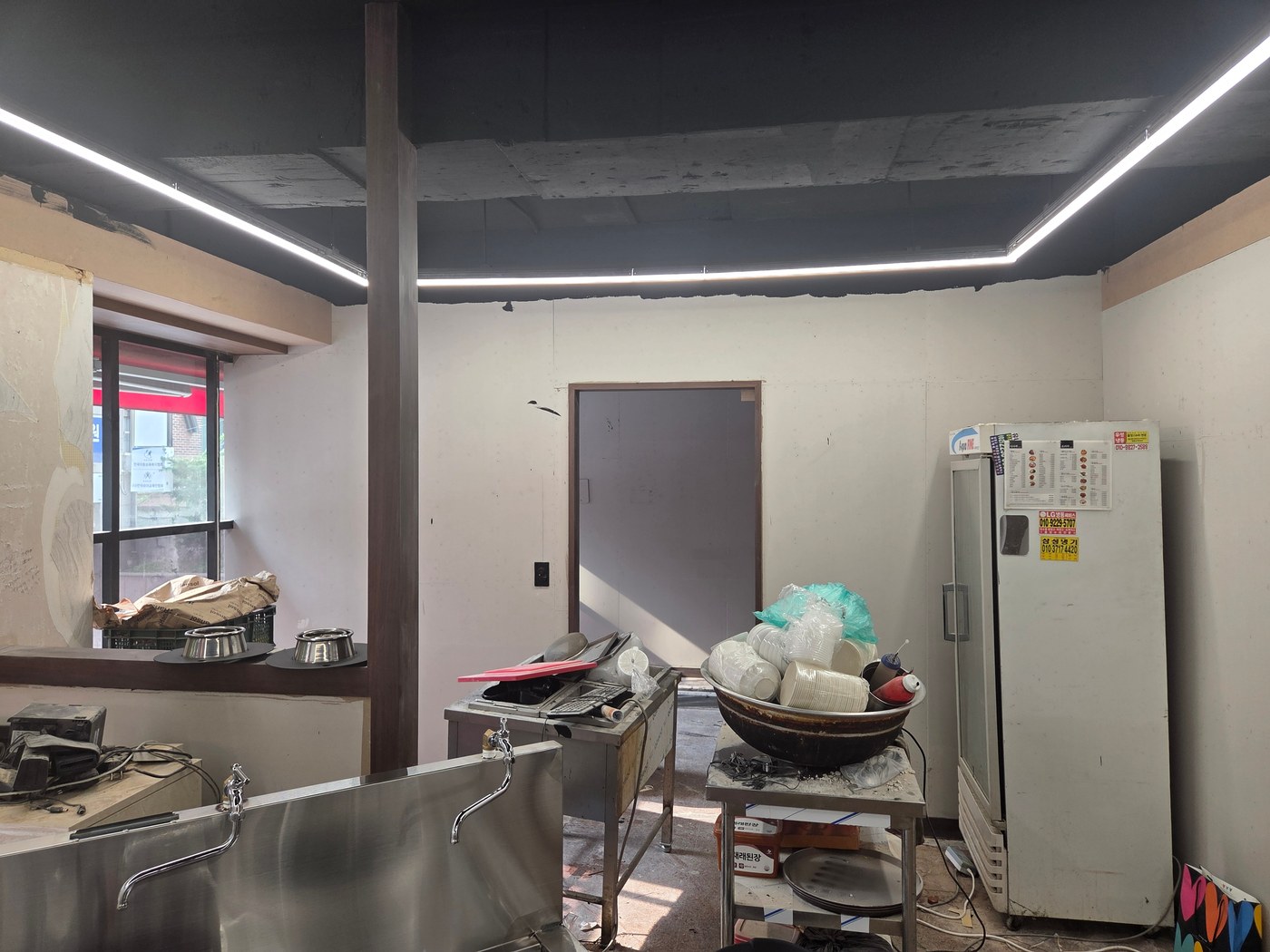
Area and total alone do not define cleaning scope. Photographed spaces help specify glass faces, cabinet interiors, furniture delivery, and remaining construction.

Before you begin
- List floors, glass, frames, and cabinet interiors separately, noting included surfaces and excluded objects.
- Empty-space and post-delivery cleaning need different movement responsibilities and sequences.
- Separate remaining construction, cleaning, and return-visit conditions, identifying who confirms completion.
Cleaning scope beyond floor area

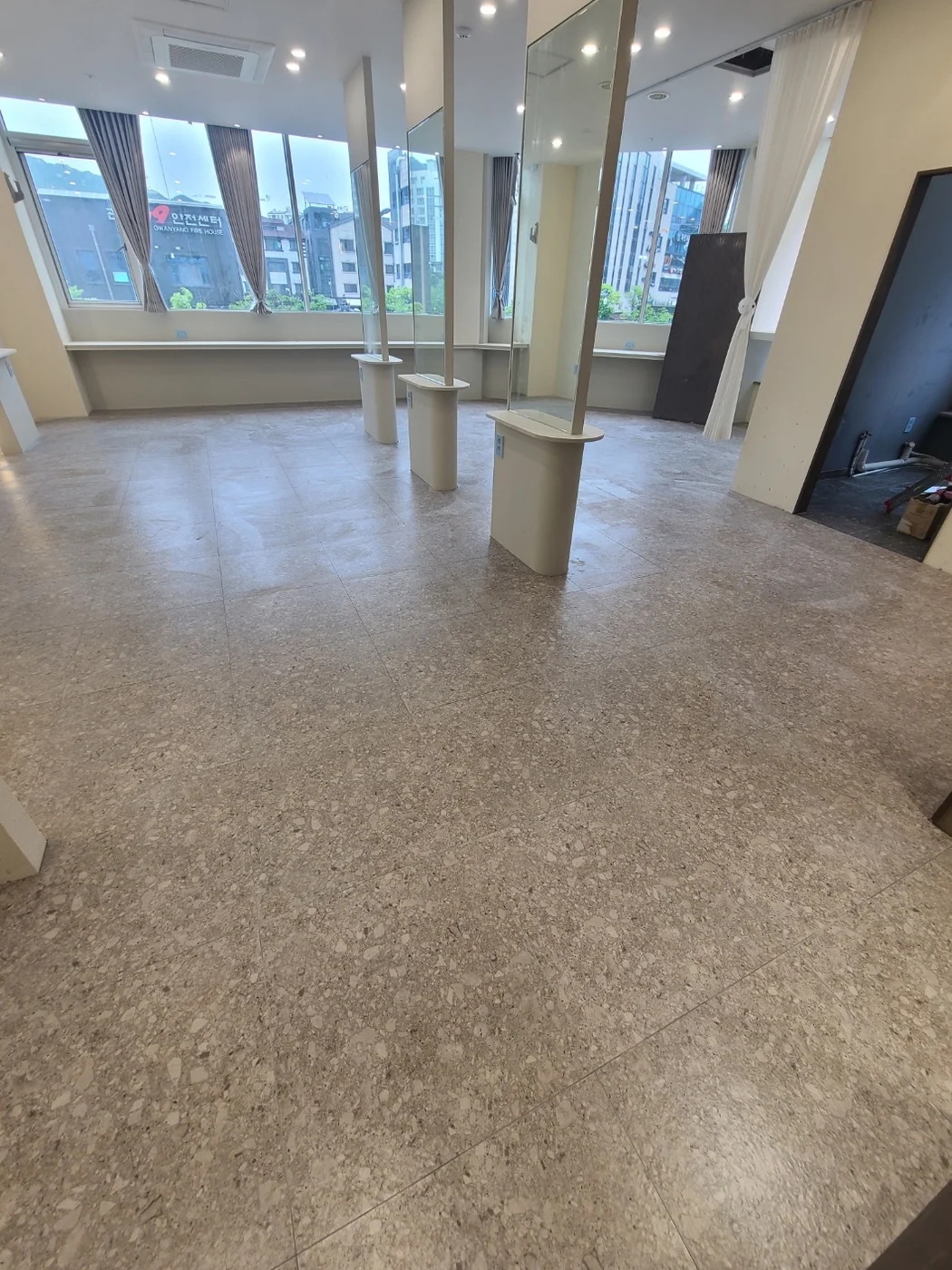
An overall-cleaning label leaves differing assumptions unclear. The academy entrance photograph shows glass doors, handles, open shoe shelves, and a mat, each needing different cleaned surfaces and temporary moves. This is a scope-planning example, not a before-and-after cleaning comparison.
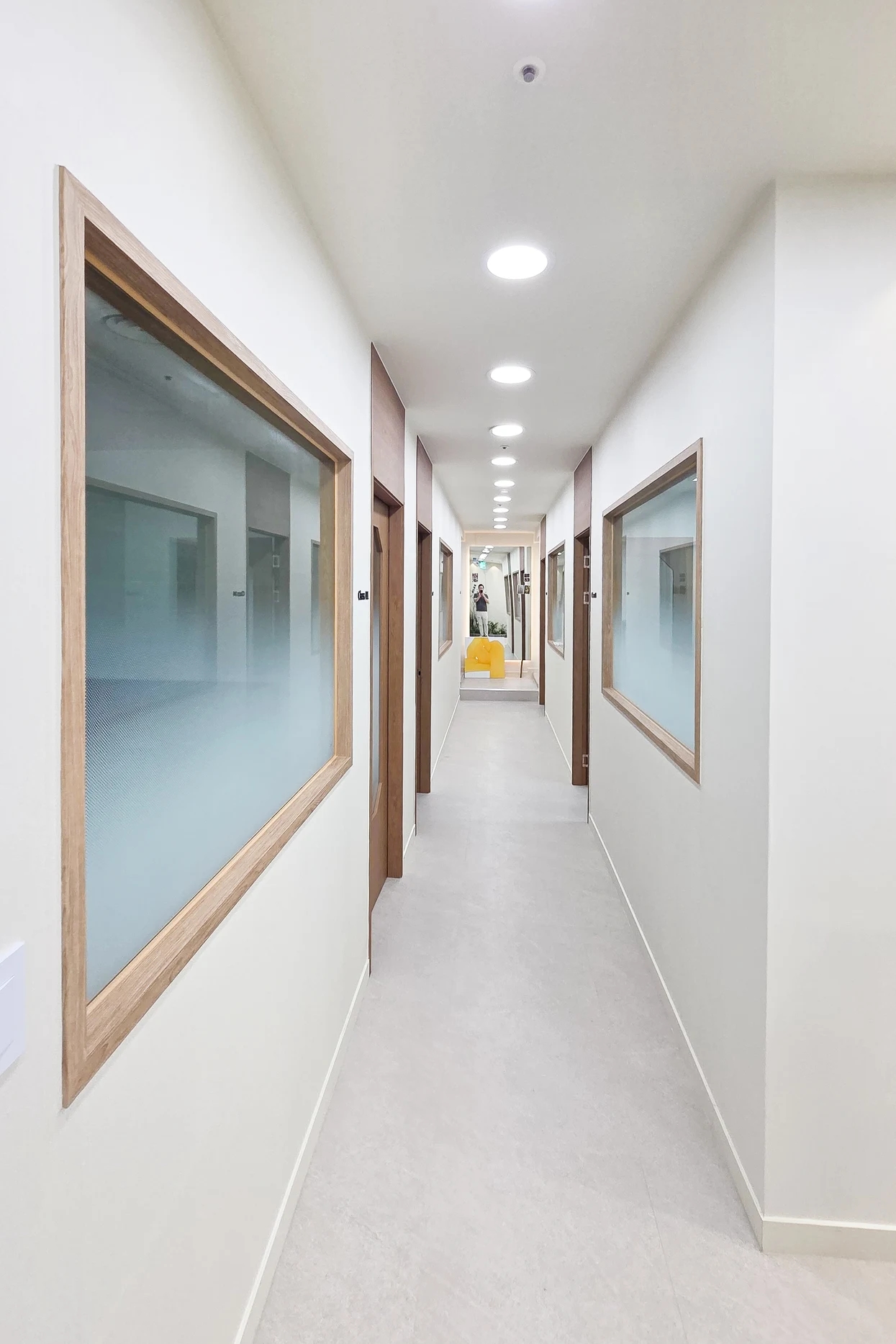
Name zones on drawings or photographs, such as entrance, corridor, classrooms, and consultation. List floors, soiled wall areas, glazing, doors and frames, and furniture beneath each. Equal floor areas can produce different proposals depending on included surfaces. Send firms the same list for comparison.
Specify glass inside and outside separately. For interior doors, define faces, handles, and edges. Have exterior-window access checked on site rather than assuming high or external surfaces are included. Keep unverified access as a separate question and obtain inclusion confirmation.
Distinguish shelf fronts from emptied compartment interiors and tops. If shoes remain, decide who removes them and where. Separate closed-cabinet exteriors and interiors too, specifying empty preparation or separately requested contents movement.
Separate movable mats from floors beneath them. Lifting, washing, and disposing of mats are different requests. Distinguish packing and leftover-material collection from surface cleaning, identifying removal responsibility. Confirm building disposal routes and available times with the site contact.
Photograph visible marks and ask what treatment is requested. Do not assume every mark is removable dirt rather than an issue for finish contractors. Provide locations and materials for adhesive or protection remnants and request approved treatment. Assign responsibility for unknown marks instead of prescribing arbitrary removal methods.
For budget reductions, separate surfaces and zones you can prepare yourself. For example, operators can empty compartments while quoted work cleans interiors. Mark exclusions on the same written list. A lower total should still leave clear responsibility for outstanding tasks.
Furniture delivery and completion review
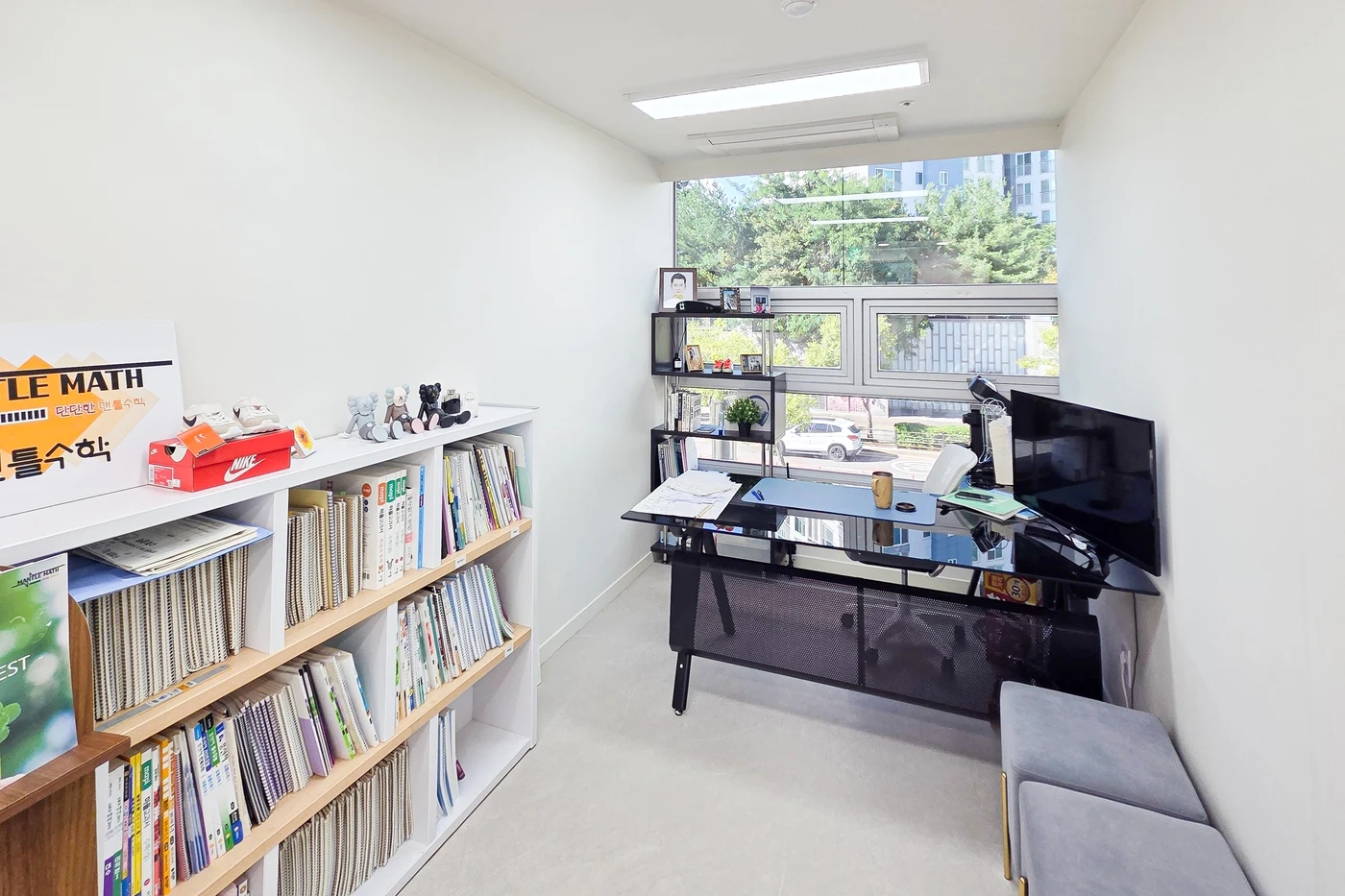
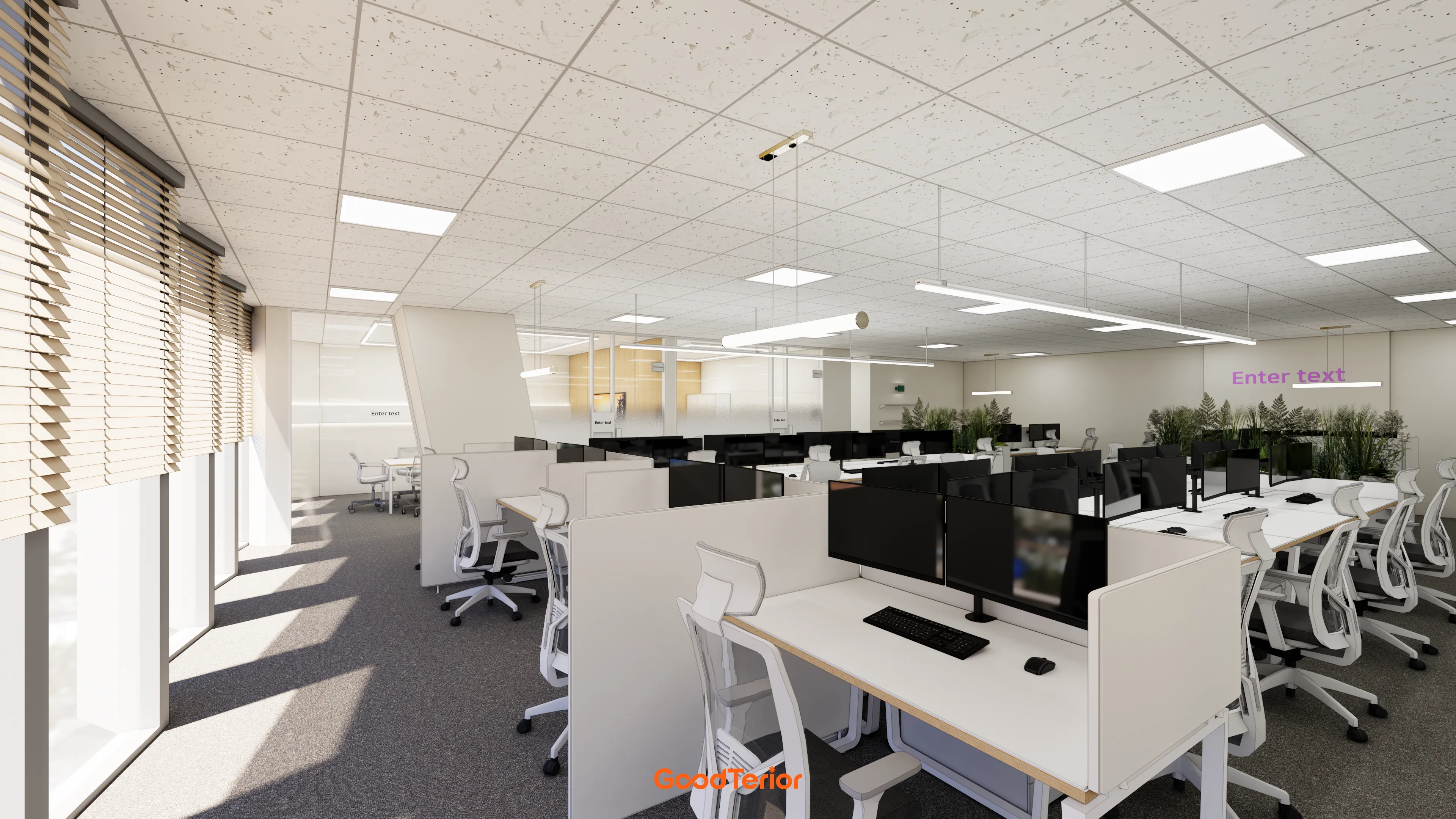
The second photograph shows books, paperwork, monitors, and sofas. Unlike an empty room, cabinet interiors and counters are not immediately accessible. Separate pre-delivery cleaning from post-delivery organization. The photograph does not establish actual cleaning sequences or who moved objects; it illustrates contract decisions.
For a single visit, define the starting condition. Put fixed-furniture completion, remaining finishes, movable furniture, and supply deliveries on the same schedule. Choosing cleaning dates before other tasks makes later rework difficult to assess. Have installation and delivery contacts review the same dates.
Pre-delivery cleaning can define empty floors and cabinet interiors, but packing removal and mark checks afterward still need responsibility. Post-delivery cleaning follows actual layouts but requires more specific object movement and clearance. Compare operator preparation as well as price.
Do not assume moving books, documents, or equipment is included. Decide whether operators clear desks and equipment specialists organize monitors and cables. For requested moves, identify objects, temporary storage, and reinstatement responsibility. Exterior-only cleaning of closed, unverified drawers is also an option.
If construction remains, mark cleaning-complete and active-work zones separately. Do not declare everything complete while dusty follow-up work is planned. If visits must be split, obtain separate first- and later-visit scope. Confirm return conditions and costs rather than leaving a vague finishing visit.
Walk zones in the quote's order at completion. Compare agreed entrance glazing, shelves, corridor floors, and cabinet interiors, recording inaccessible areas and reasons. Decide whether obstructed surfaces count as complete or need review after clearing. Record remaining locations, photographs, responsibility, and dates.
Keep zones and surfaces, excluded objects, preparation responsibility, work dates, and completion reviewers together in the quote or scope table. This preserves requests through staff changes. Review cleaning scope separately from whole-project handover. Related articles cover protection removal and handover records.
Ask us about your interior project
We can discuss a quote and design suited to the space you are planning.
Request a free consultation