Interior change quotes: organizing revised scope
When changing walls or finishes during construction, additional cost alone is insufficient. Keep requested scope, completed work, additions and omissions, and decision dates together in a change record.

Before you begin
- Compare before-and-after drawings and locations, distinguishing changes from retained items.
- Request separate explanations of added, omitted, and already completed work before comparing costs.
- Distinguish review requests from instructions to proceed, recording final drawings, cost, schedule, and completion together.
Which wall changes, and how far?
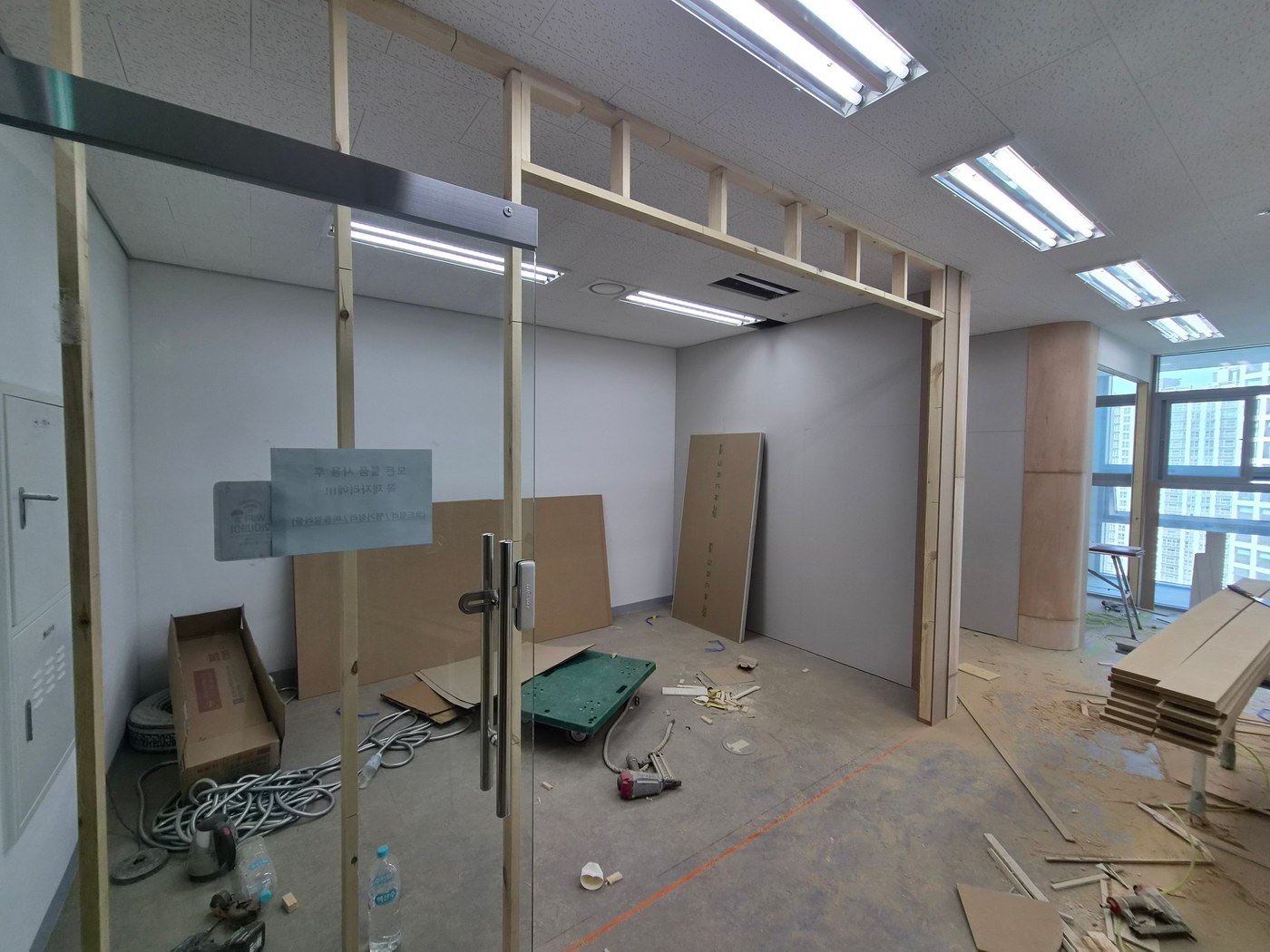
A site comment can begin a change request, but saying an entrance should be slightly wider leaves direction, extent, and adjacent wall or ceiling treatment ambiguous. Mark the location on the current drawing and explain why it should change. Bringing in large equipment and opening sightlines require different alternatives.
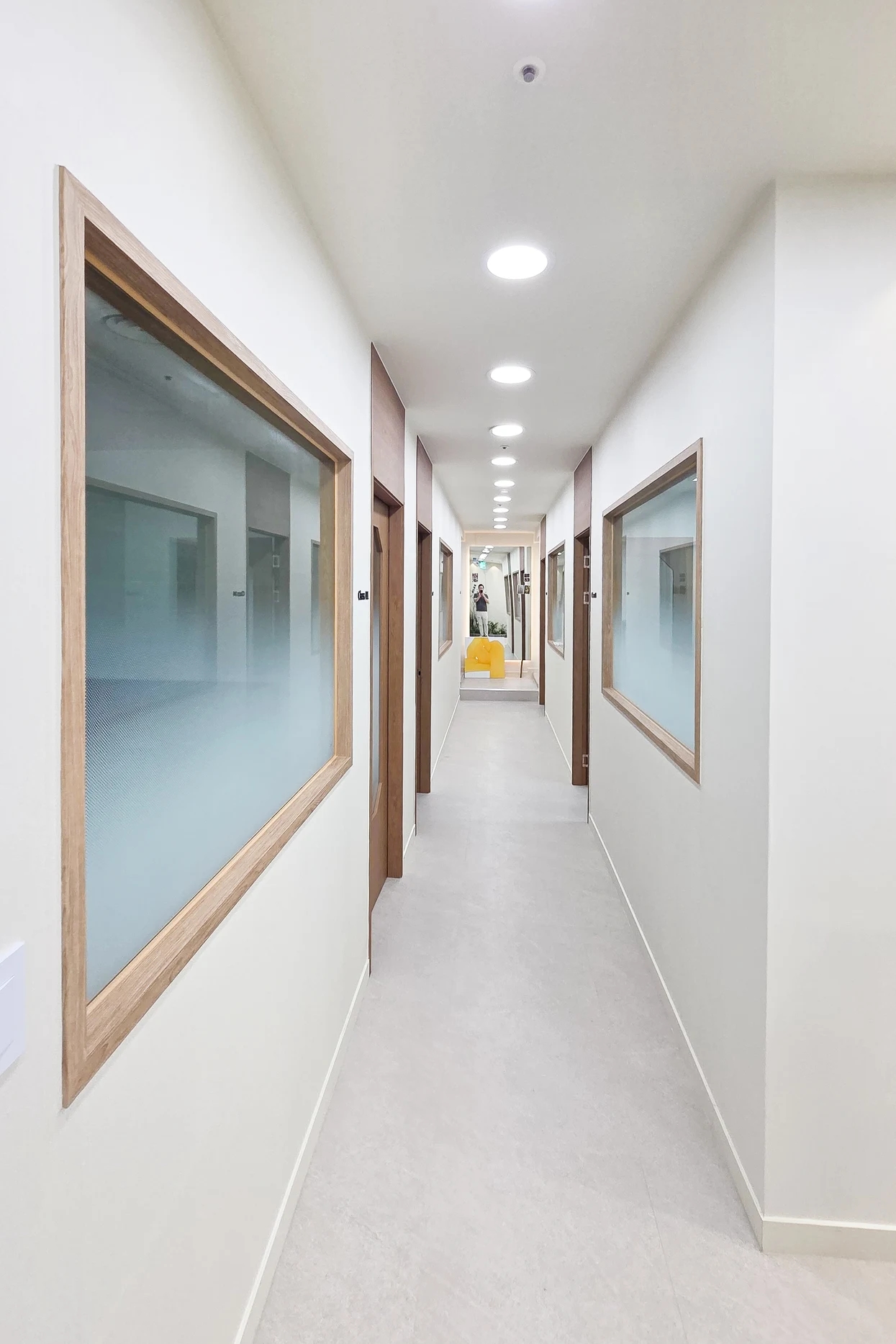
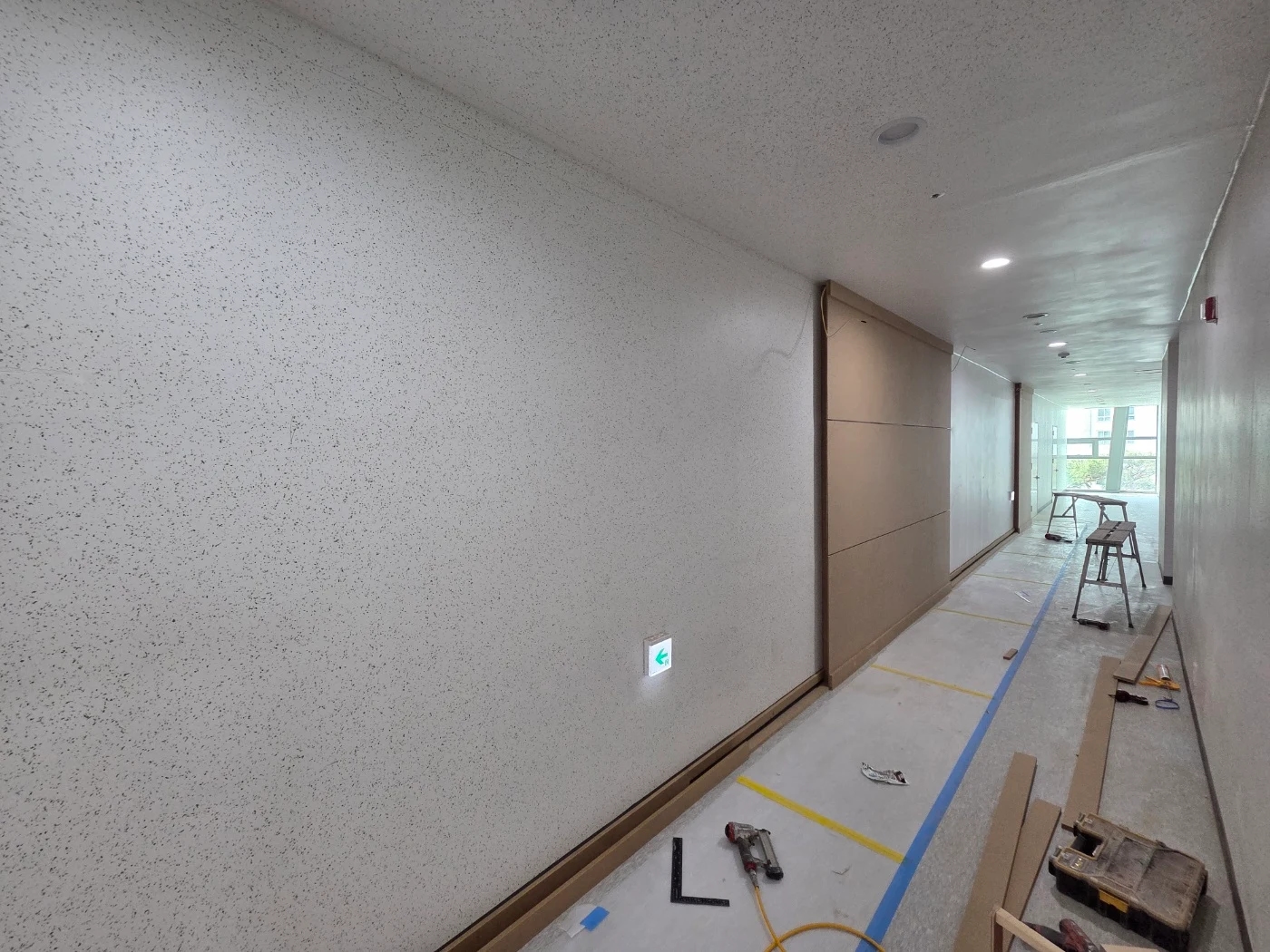
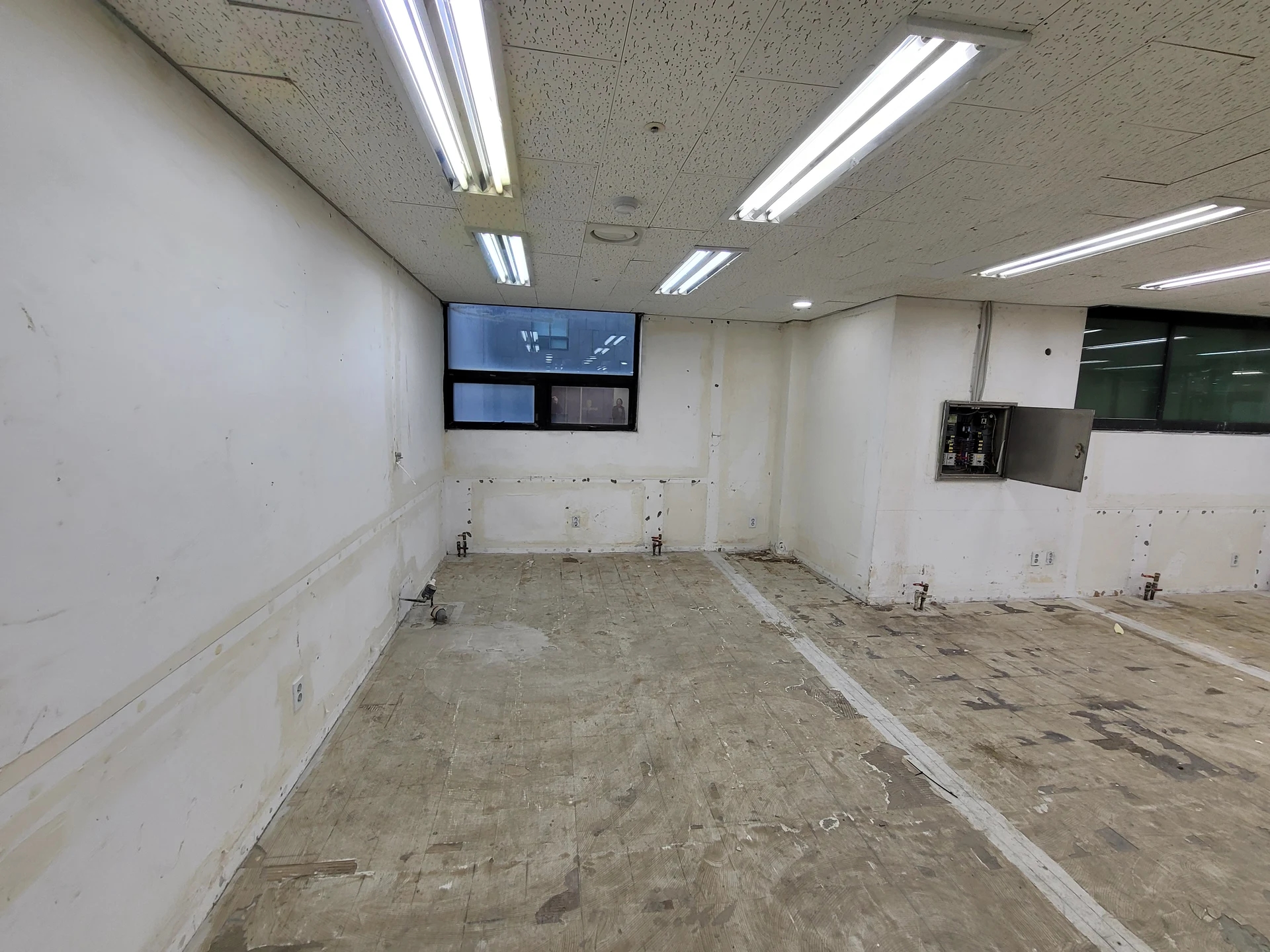
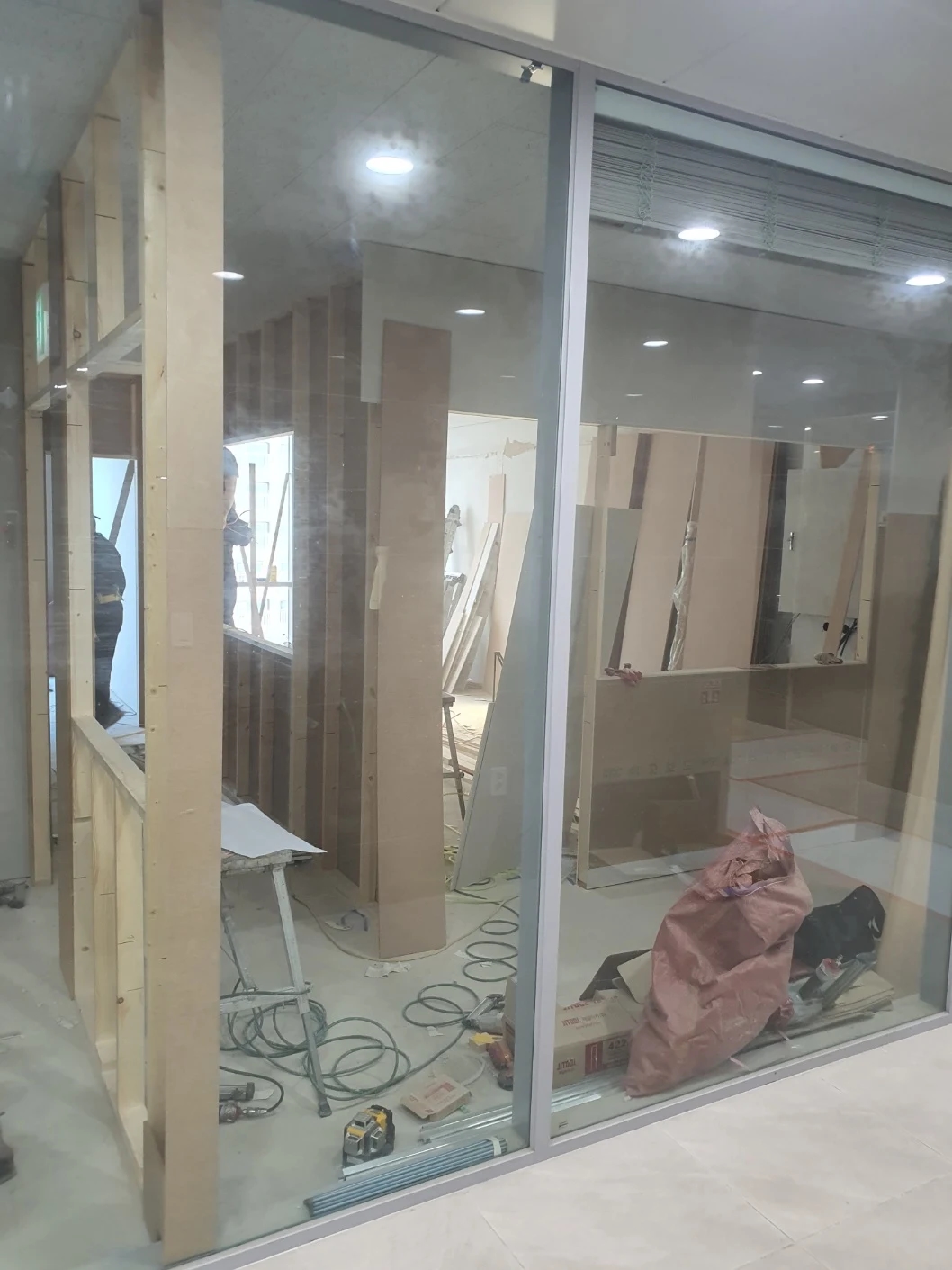
The photograph shows wall framing, the ceiling above, and an adjacent entrance. Record the surrounding relationships rather than only cropped details. Add room names, viewing direction, and drawing references so everyone identifies the same place. These Namyangju office photographs illustrate construction conditions, not evidence that additional work or design changes actually occurred there.
Place current and proposed drawings together, marking retained items too. Distinguish moving a partition from changing door size and swing. Specific retained ceilings, existing doors, and newly finished faces define scope better than an overall similar appearance. Do not present unverified dimensions or feasibility as confirmed.
Separate requests to check compliance with existing plans from newly desired changes. A location differing from drawings and a correctly installed location now needing relocation for changed operations start from different circumstances. Do not assign responsibility or cost from photographs alone; first obtain explanations against drawings and scope.
Divide requests into recognizable units: entrance width, wall finish, and added storage. This allows individual approval or deferral. Add dates, locations, and questions to each, marking whether it requests alternatives for review or actual progress.
Added scope and omitted scope
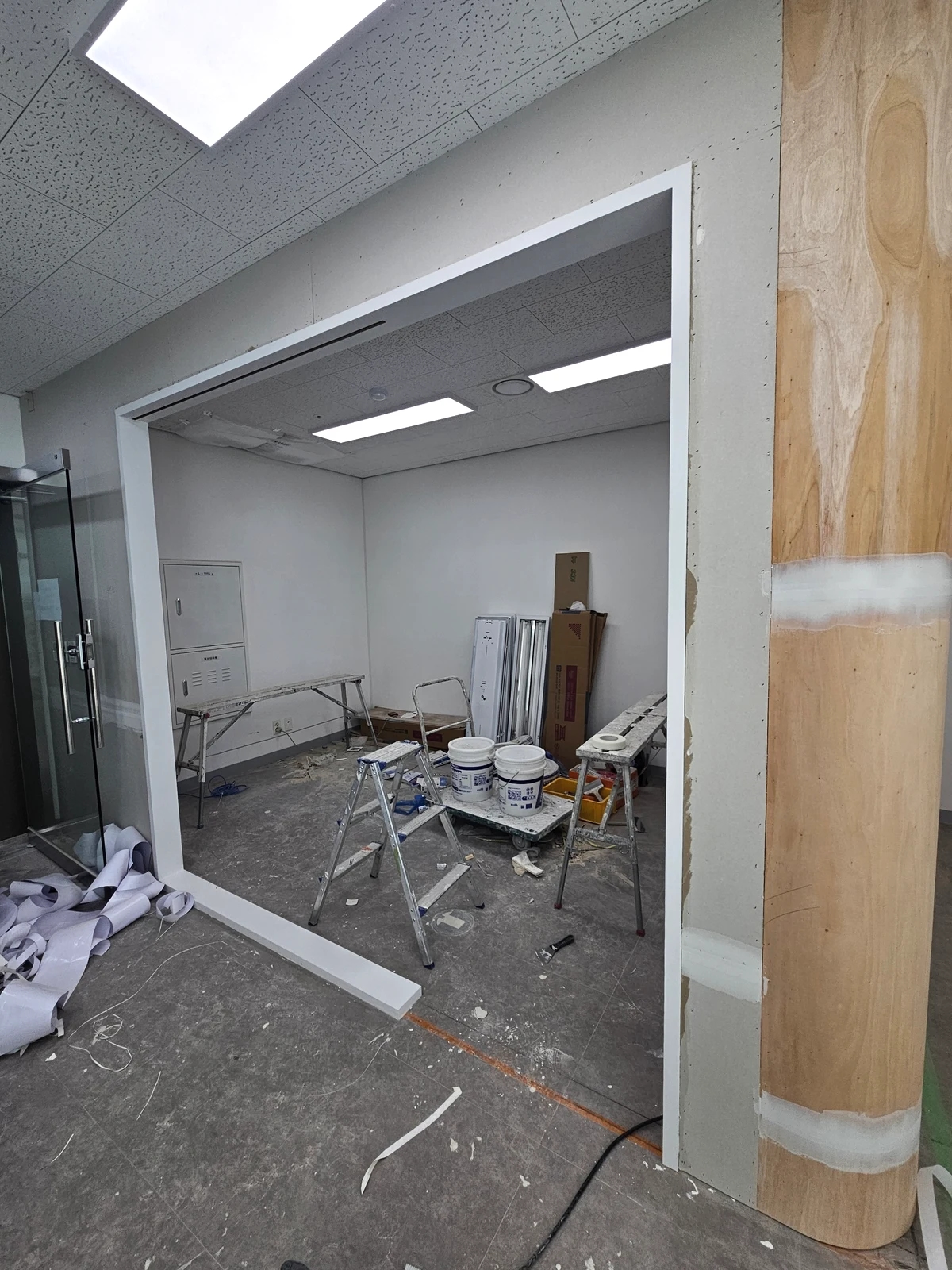
Do not read a change quote only by the resulting item's name and total. Where opening trim, walls, and column finishes meet, ask which parts are newly made and which reworked. A visible single entrance change can involve several tasks. Judge necessary scope from the responsible person's site-based breakdown.
Place additions and work no longer required from the original plan in the same change table. For revised finishes, ask how original products and installation are treated alongside new ones. Do not predetermine deductions or assume every change is a simple price difference. First understand original and revised quantities, specifications, and treatment.
Separate delivered materials, unordered materials, and installed work. Cancellation, return, reuse, removal, and transport depend on products and progress. Stacked site materials do not establish that everything was ordered for the change. Confirm actual purchasing and work status when the quote is prepared.
For lump-sum proposals, request the component scope: fabrication, demolition, repairs, finishing, cleanup, and protection. Use the unchanged option as a baseline and compare full and reduced changes under matching headings. This identifies work that can be omitted while retaining the main purpose.
Record final inclusions and exclusions. If other suppliers' appliances or client-provided furniture connect to the work, identify installers and handover conditions. For successive quotes, clarify whether the document prices a single change or revises the entire estimate, avoiding adding revised totals to old amounts again.
Options under review and the final approved option
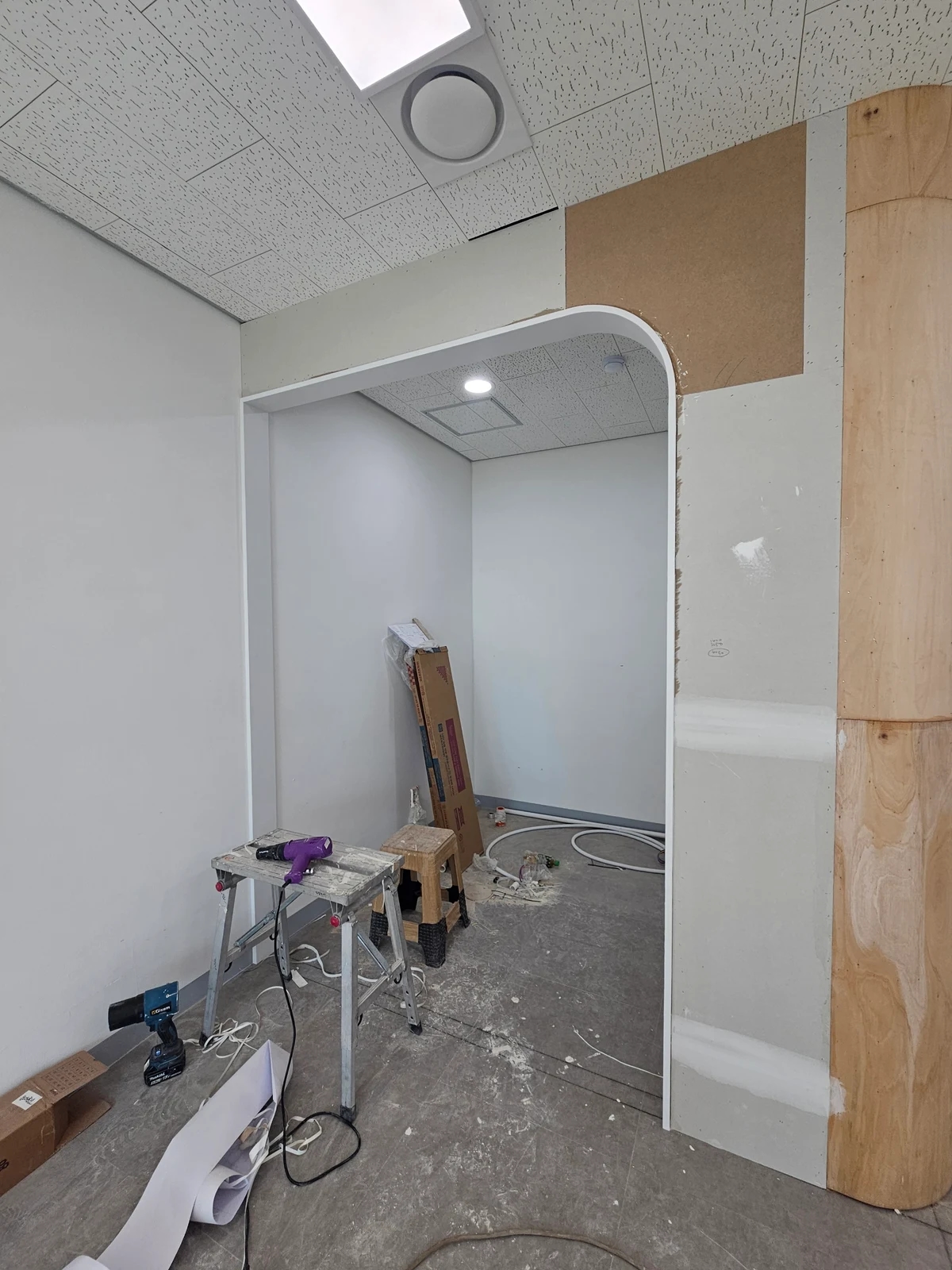
When asking if changes are possible, ask for the decision deadline alongside price. The photograph shows exposed opening shapes and substrates. Check the next task at that location so review at this stage is not treated as equivalent to changes after finishing. Photos alone cannot determine whether work should stop or proceed.
Ask what must be decided by when and which work continues while awaiting an answer. Discuss whole-project stoppage separately from holding a local area. Confirm new material preparation, installation, and return visits, recording effects on completion and furniture delivery. Do not invent unconfirmed lead times or delay durations.
After choosing, separate final documents from rejected alternatives. Keep marked drawings, products and colors, confirmed scope, price, and dates under the same change reference. Identify final reviewers on contractor and client sides. Clearly record the selected option so messenger inquiries about quotes are not mistaken for instructions to proceed.
After work, compare the agreed scope rather than receiving only close-ups. Verify location, form, surrounding finished surfaces, and exclusions, keeping outstanding items separate from completion. Confirm matching revisions in final drawings and accounts. Record later requests as new items rather than overwriting earlier decisions, preserving the current state.
Ask us about your interior project
We can discuss a quote and design suited to the space you are planning.
Request a free consultation