Matte or gloss paint: choosing a sheen for commercial walls
Matte and gloss paints can look different under light even in the same color. Learn to compare candidates by wall location, lighting, and contact frequency, then check each product's care requirements.

Before you begin
- Treat color and sheen as separate choices.
- For frequently touched walls, check the actual product's cleaning requirements.
- Stand samples against the wall and compare them during daytime and evening.
Why the same color looks different with another sheen
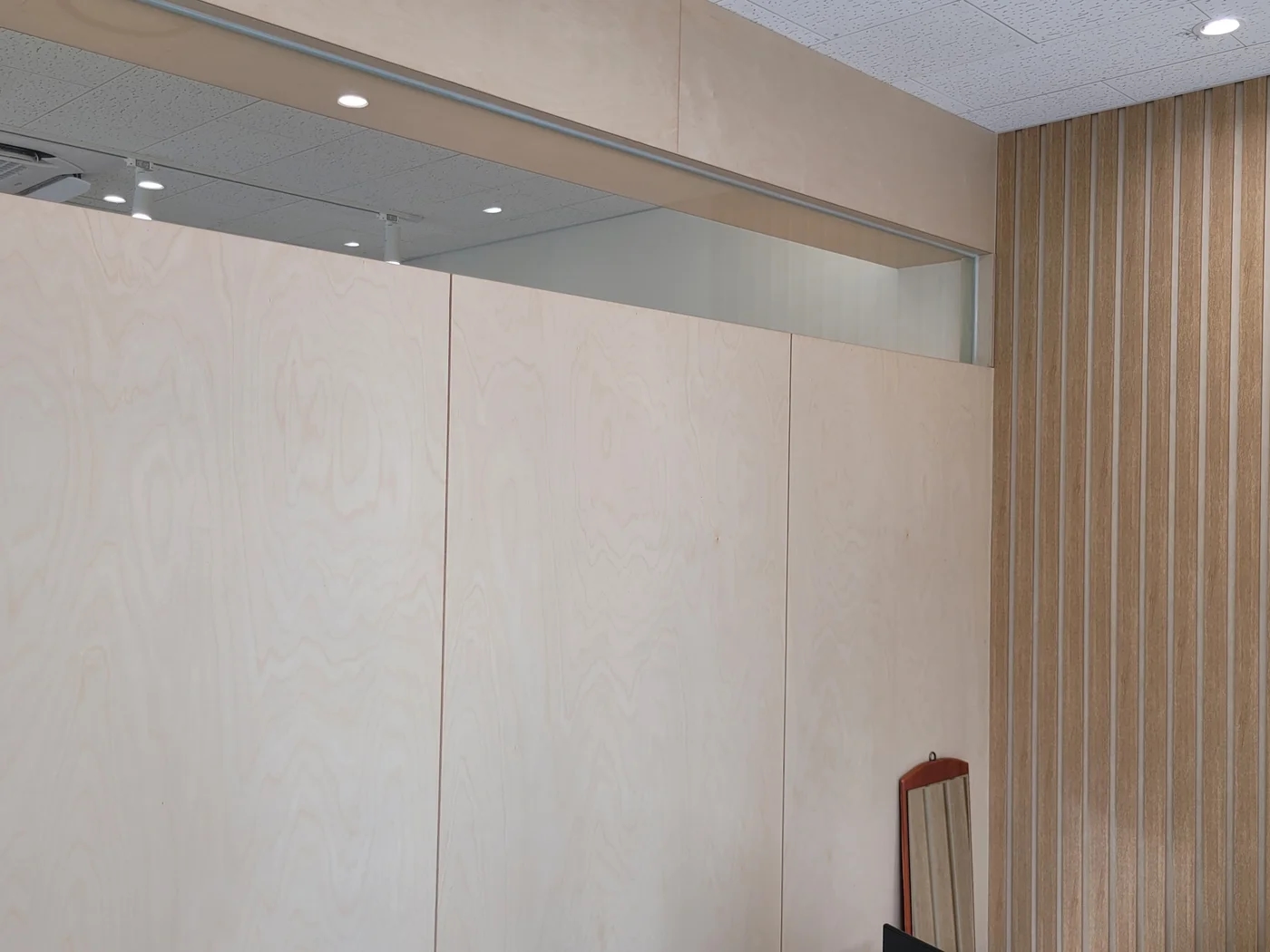
Paint sheen affects how the surface reflects light. Even the same chart color can appear different with lighting direction and window positions on site. First decide whether the wall should appear uniform or whether variations across illuminated areas are acceptable.
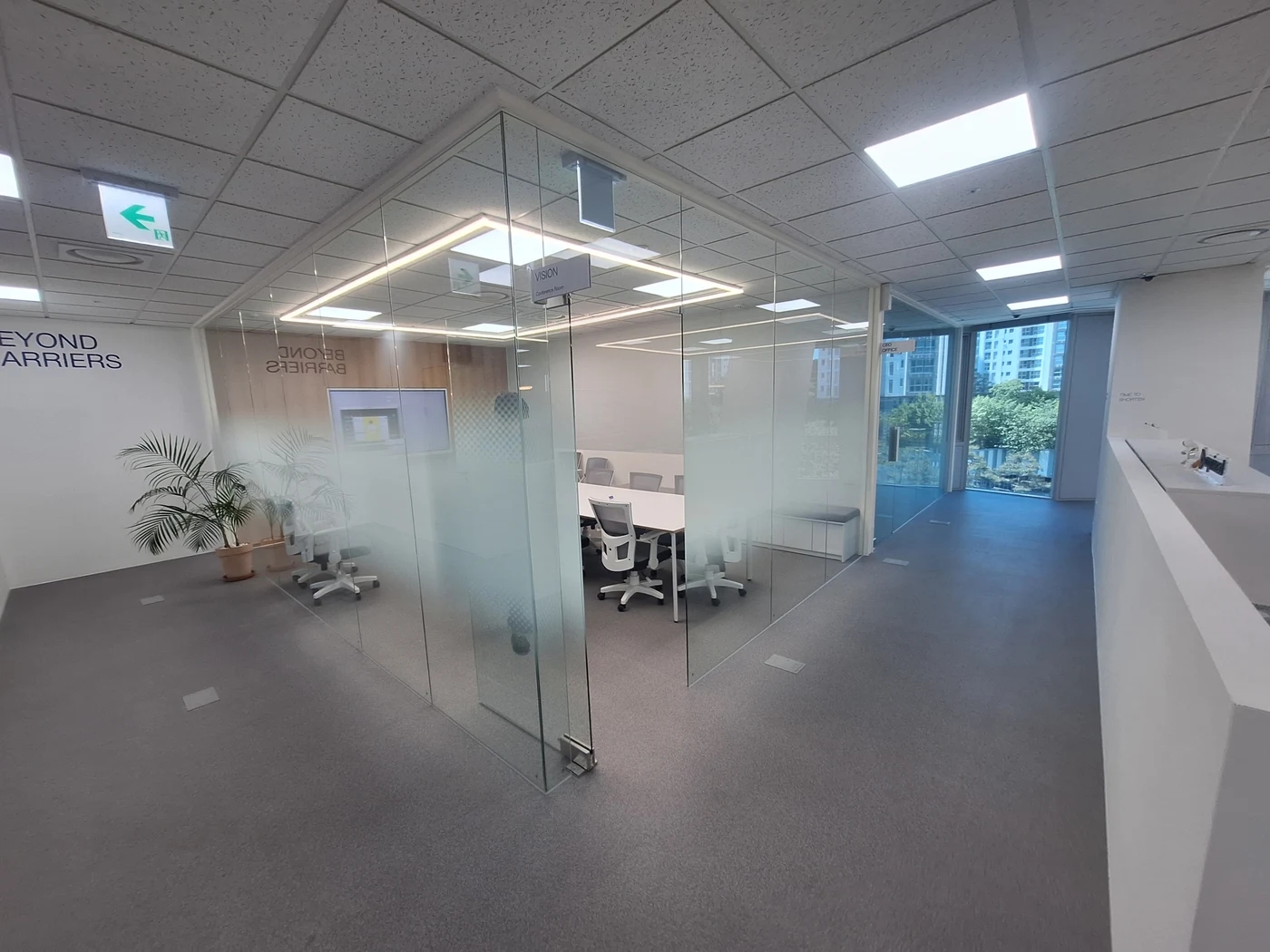
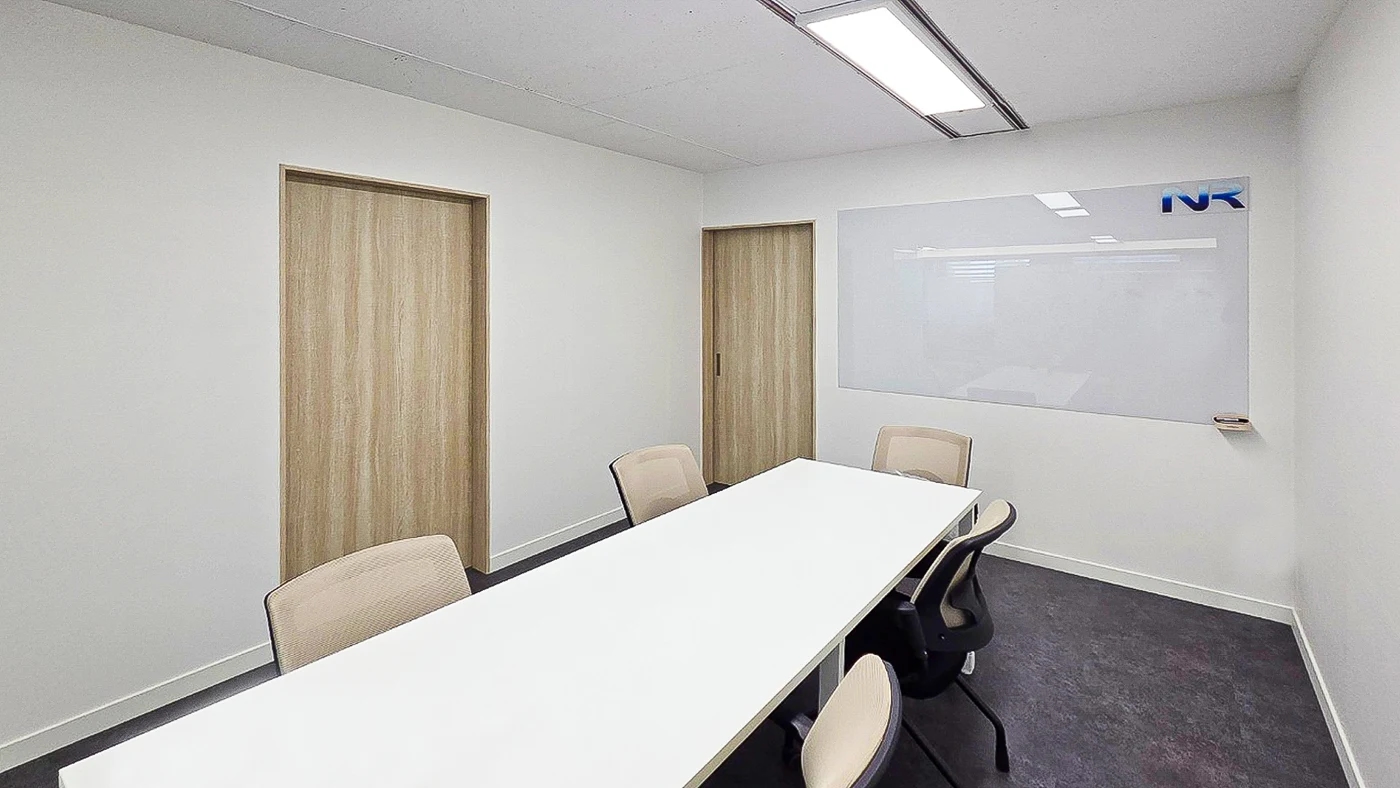
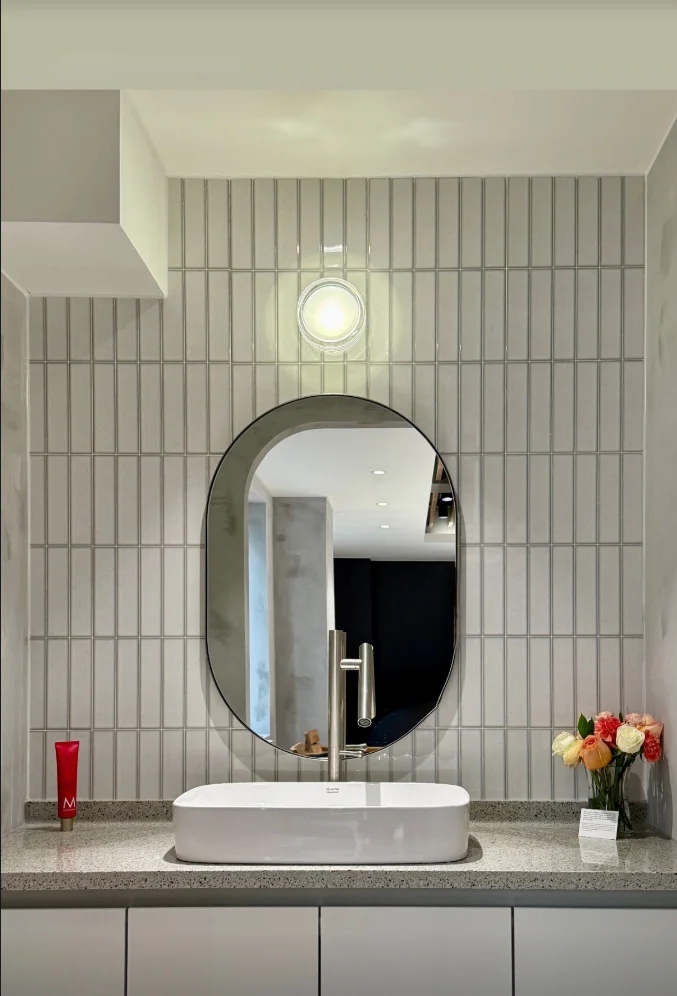
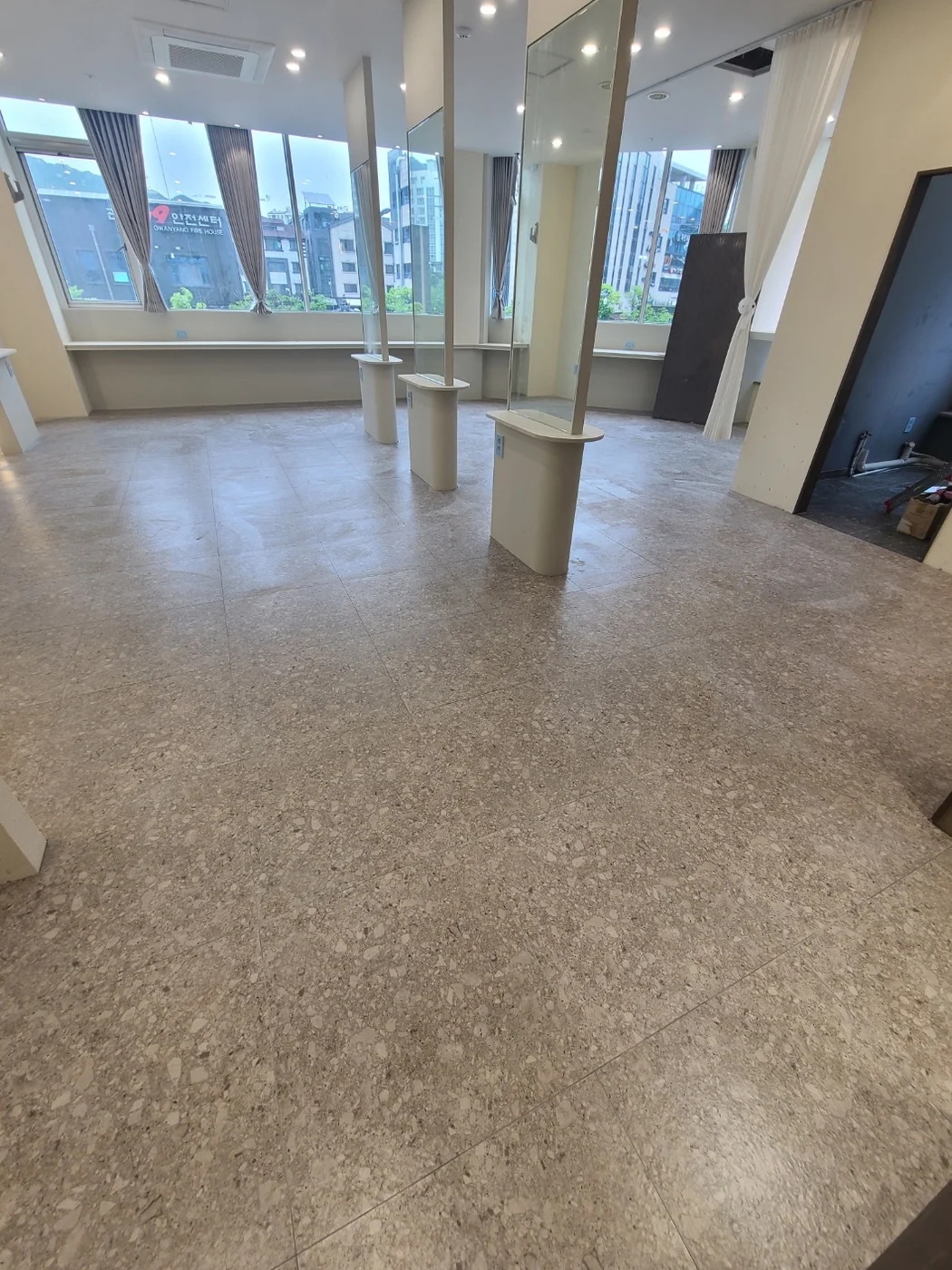
Photos cannot reliably establish sheen. Exposure, editing, and surrounding light sources can make reflections appear stronger or weaker than reality. The site photos here illustrate wall surroundings; they do not identify paint type or sheen grade.
Paint for frequently touched walls
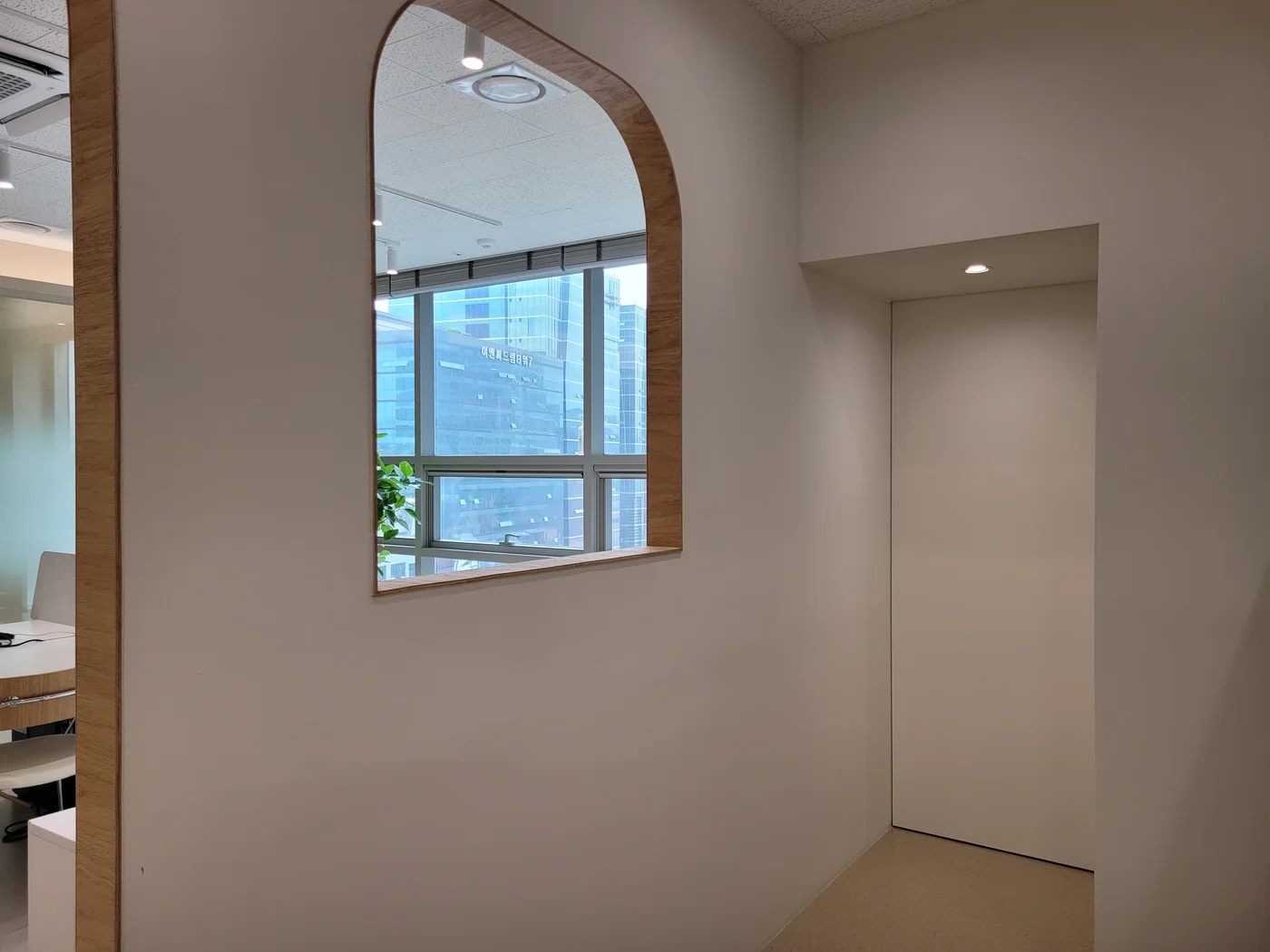
Corridor corners, door surrounds, and walls close to chair backs may receive more contact than other surfaces. Before specifying the same paint everywhere, mark likely contact areas on the plan. Knowing where dirt is expected helps compare product applications and maintenance conditions as well as sheen.
Avoid assuming gloss is always easy to maintain and matte cannot be wiped. Cleaning suitability and recommended methods differ by product range. Explain whether areas receive damp wiping and which cleaners may contact them when selecting products.
Stand samples upright to assess sheen
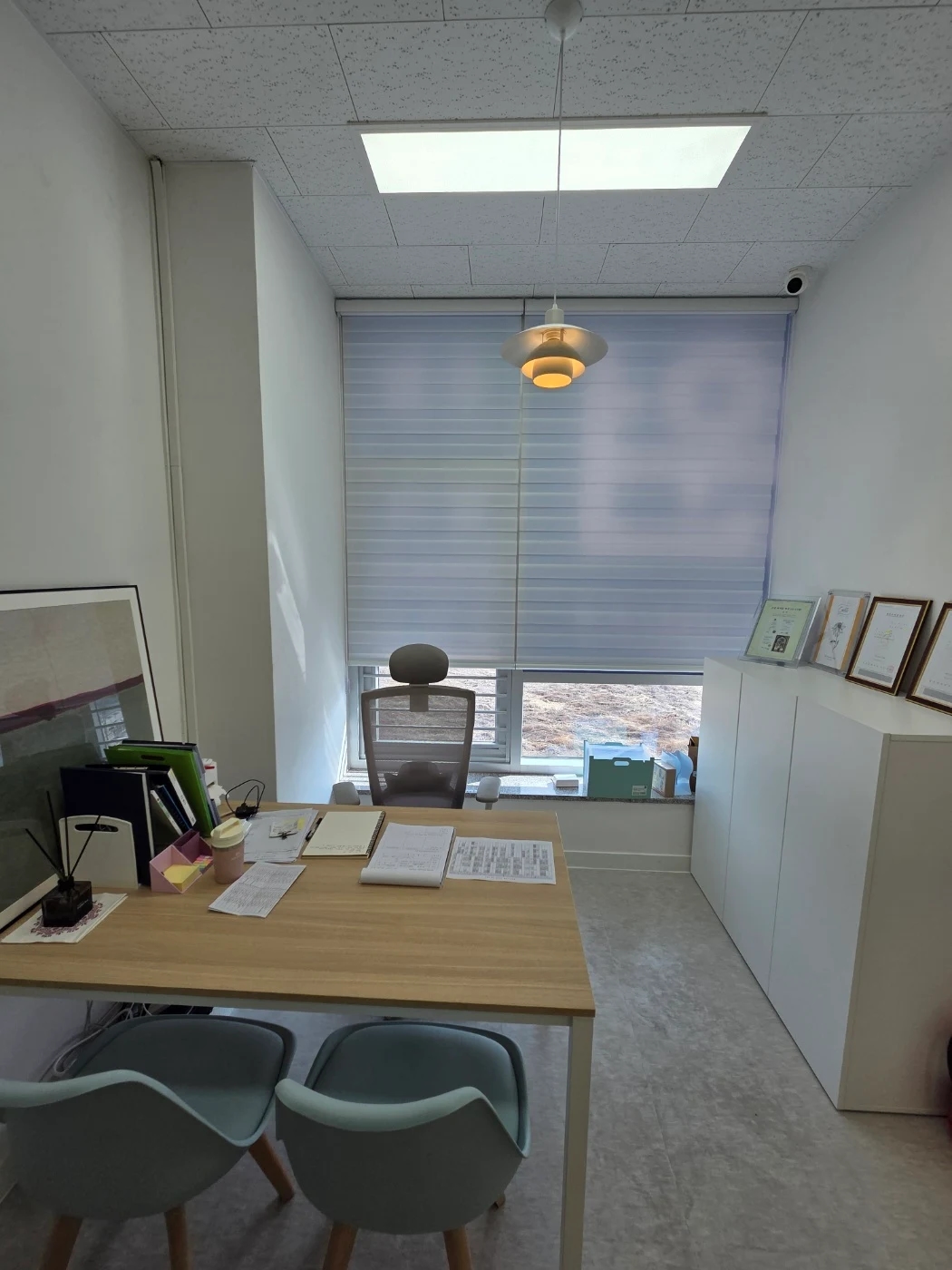
Viewing a small chart in your hand differs from seeing a broad wall. If possible, stand samples made with the intended product against the wall and compare front and side views. Check the overall background from the entrance or an opposite seat as well as the color close up.
Daylight dominates during the day and interior lighting in the evening. Keep photos and notes under both conditions instead of approving after a single check. Compare adjacent furniture and floor samples too, reducing differences caused by choosing the wall in isolation. Record product name, color code, and sheen name in the final decision.
Retain product information for later touch-ups

Furniture moves and changes to wall-mounted items may require local repairs during operation. Recording the original product, color, and painted areas reduces mistaken use of a similar shade. Check permitted storage conditions and periods for leftover material in the product instructions.
Even the same product may leave a visible boundary depending on substrate condition, age, and application method. Decide with the contractor whether to touch up a small patch or refinish a whole surface after inspecting it. Flag likely repair areas when first choosing sheen to include ongoing operation in the decision.
Ask us about your interior project
We can discuss a quote and design suited to the space you are planning.
Request a free consultation