Choosing grout colors: review the full tile layout
Grout color changes how strongly joints stand out. Compare repeated tiles, corners, and actual lighting rather than deciding from a small chart alone.

Before you begin
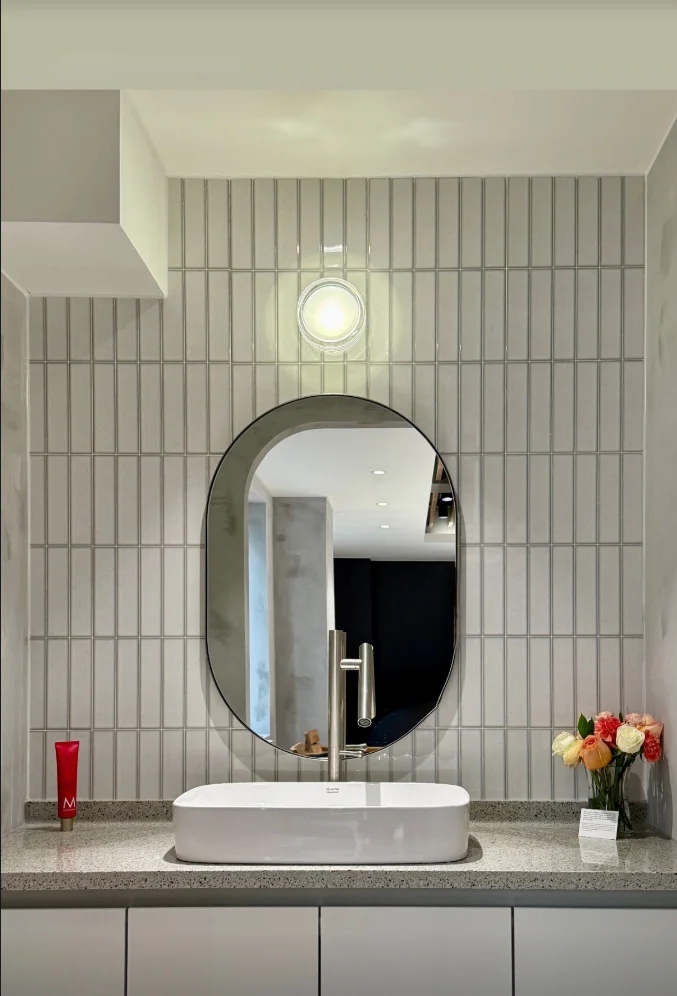
- Compare tile and grout contrast across the whole surface.
- Distinguish grout color from the material's application performance.
- Review corners and furniture boundaries where lines end on drawings.
Blending joints versus an emphasized grid
Similar grout can visually connect tiles, while contrast can emphasize outlines. The appropriate choice depends on tile size, pattern, and surrounding furniture. First decide whether grout is an accent or a background.
Smaller repeated tiles create more lines. A grout chip beside a single tile may not reveal the overall effect. Compare several tiles or a full-scale print to assess repetition.
Tile lines ending at corners and furniture
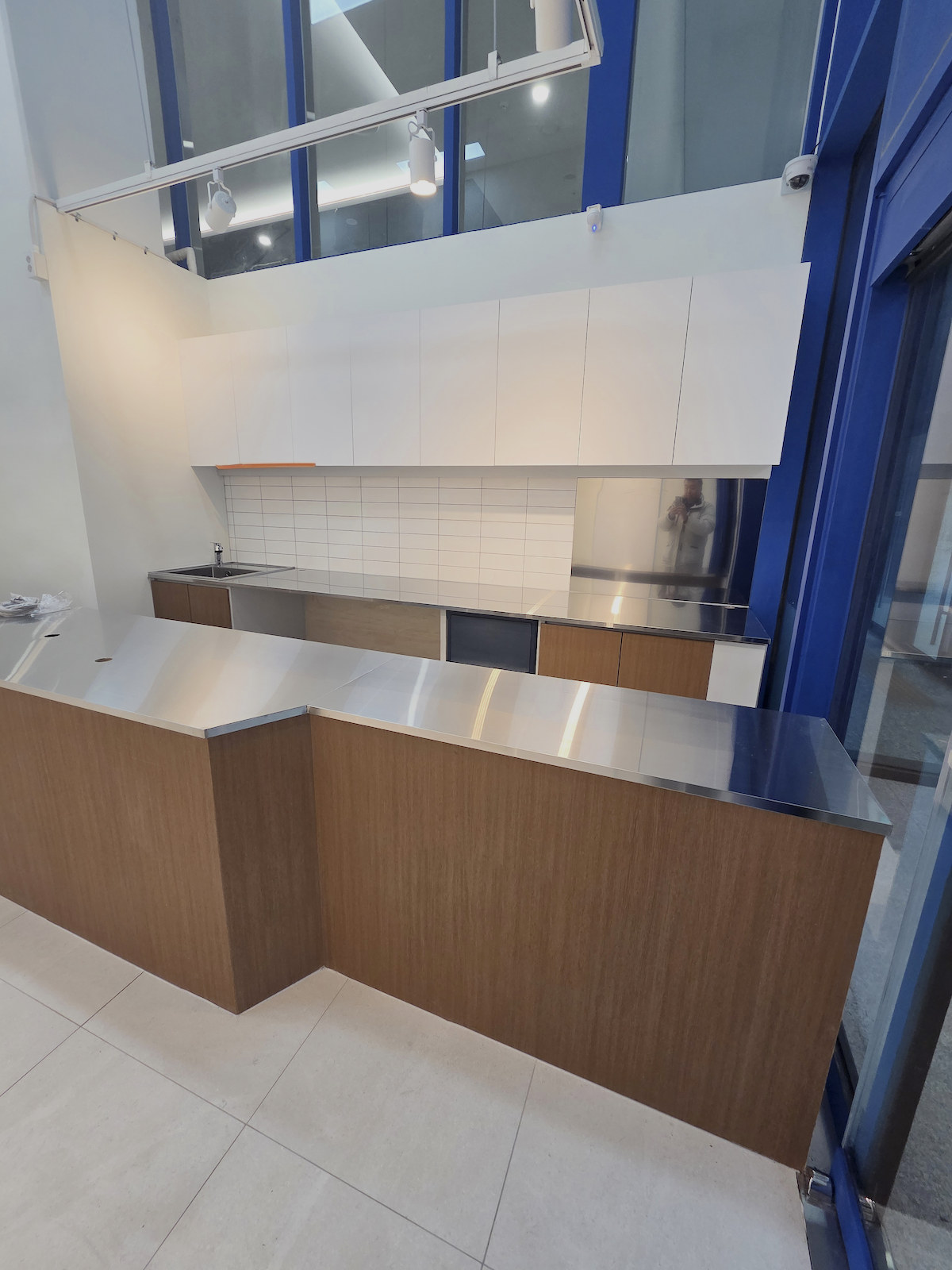
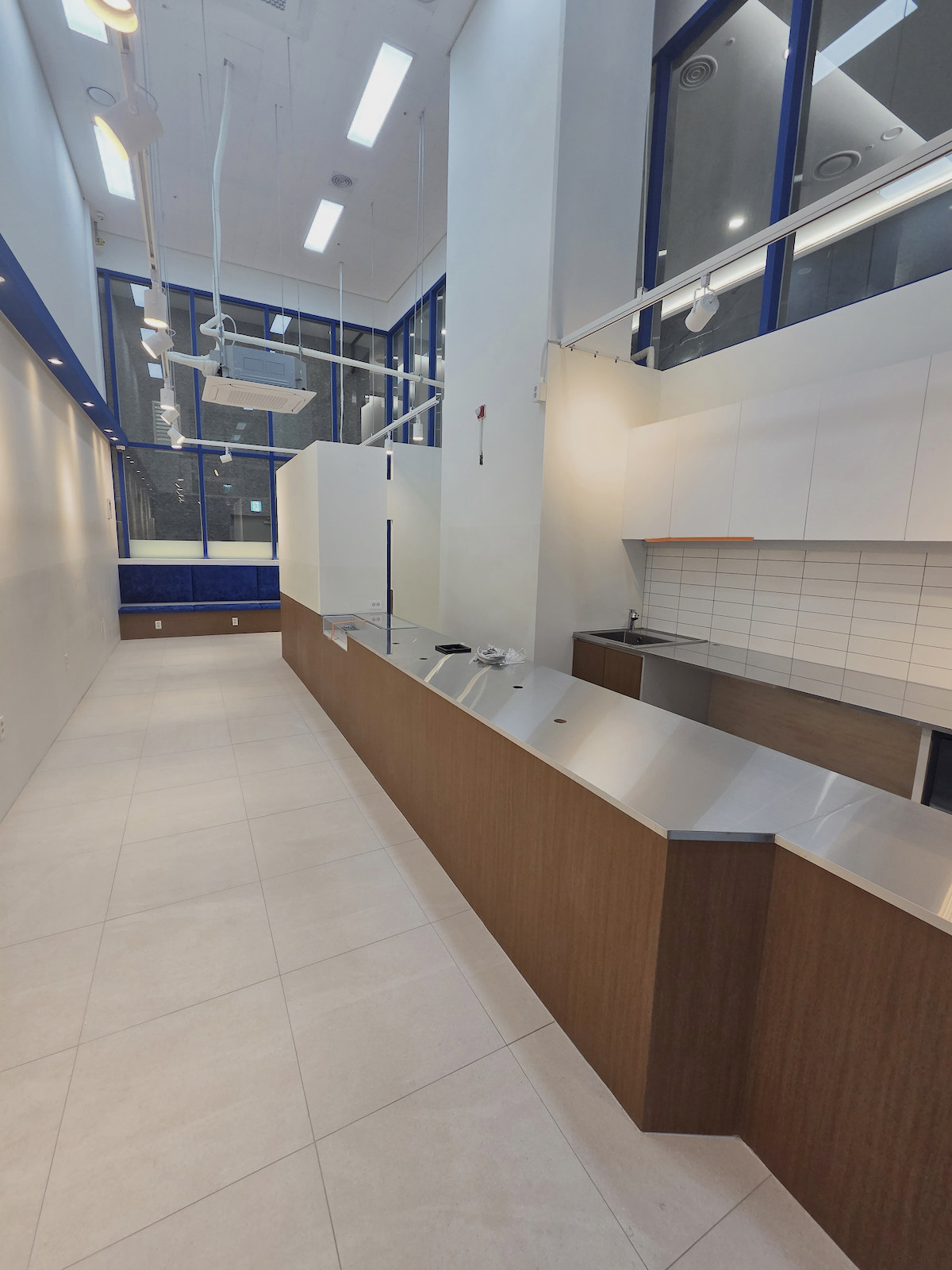
An appealing central layout may expose conspicuous cuts near frames and furniture. Review starts and ends on drawings from prominent viewpoints. Decide whether wall and floor lines align or remain independent.
Tile dimensions rarely match sites exactly. Confirm joint widths and arrangement with the installer for selected products and conditions instead of setting them arbitrarily from appearance. Stronger grout contrast may also emphasize layout edges.
Compare colors with grouted samples
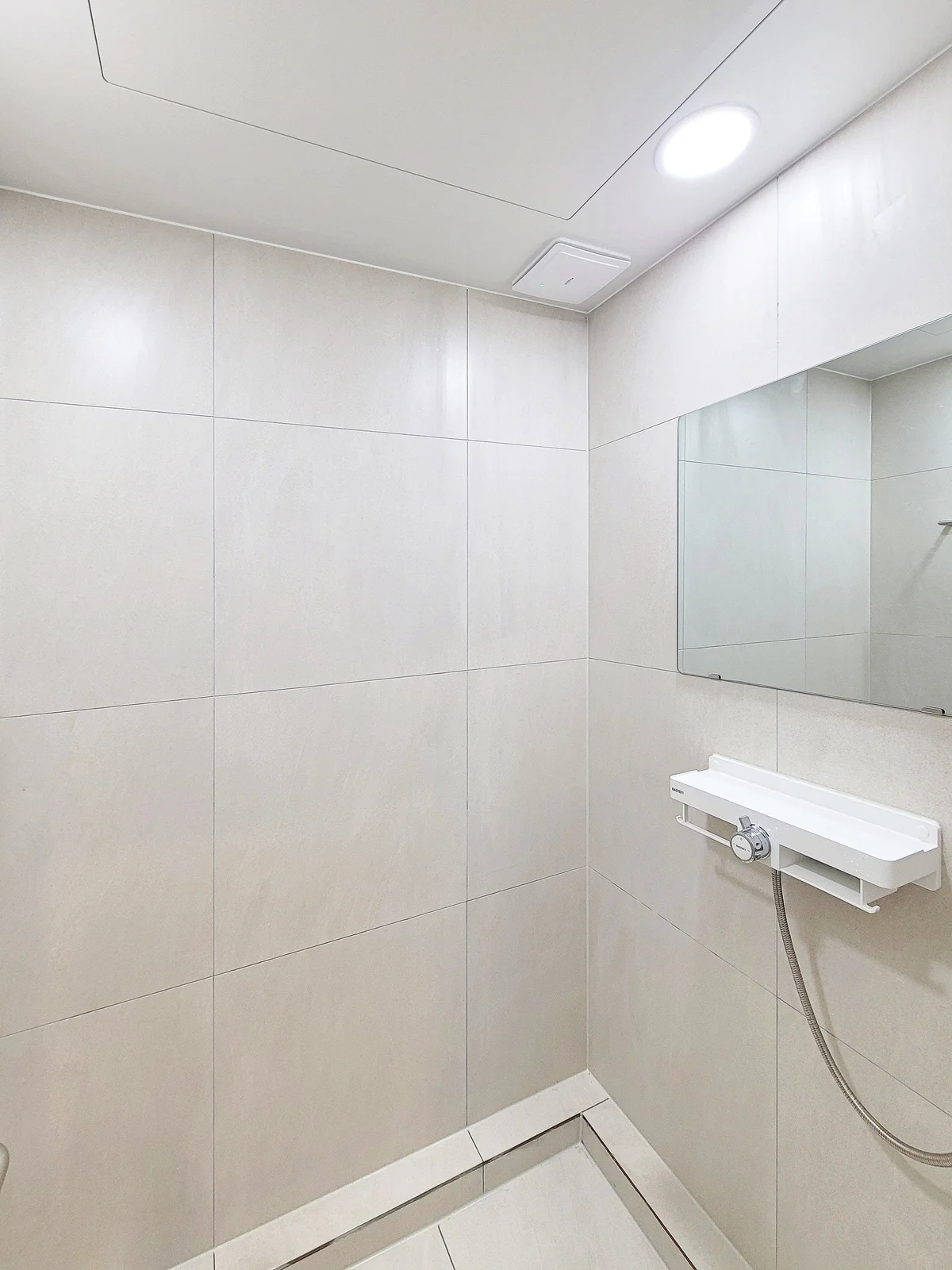
Grout charts narrow candidates. If possible, review samples combining actual tiles and grout. Texture or multicolored patterns can change the apparent emphasis of joints under different lighting.
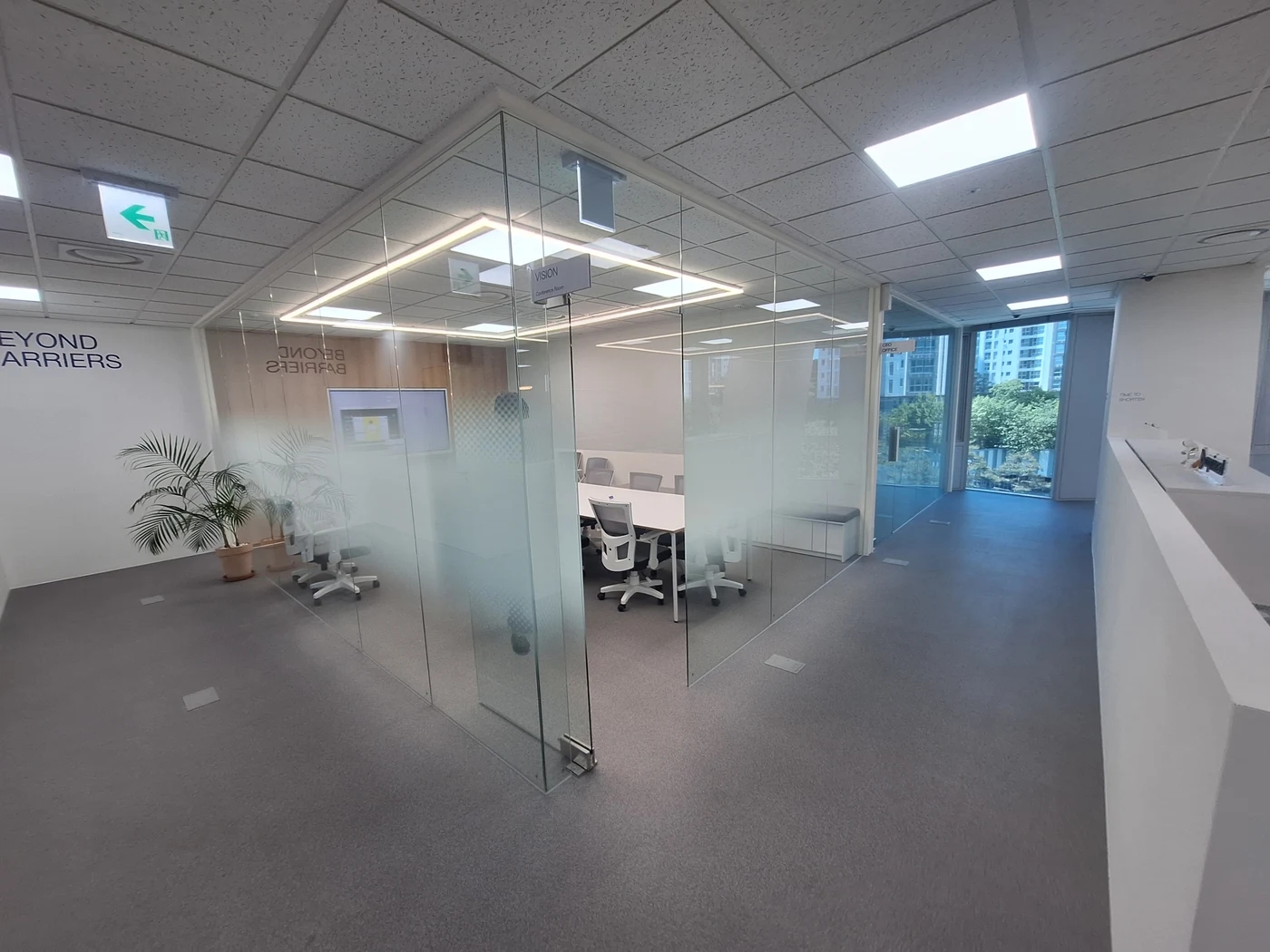
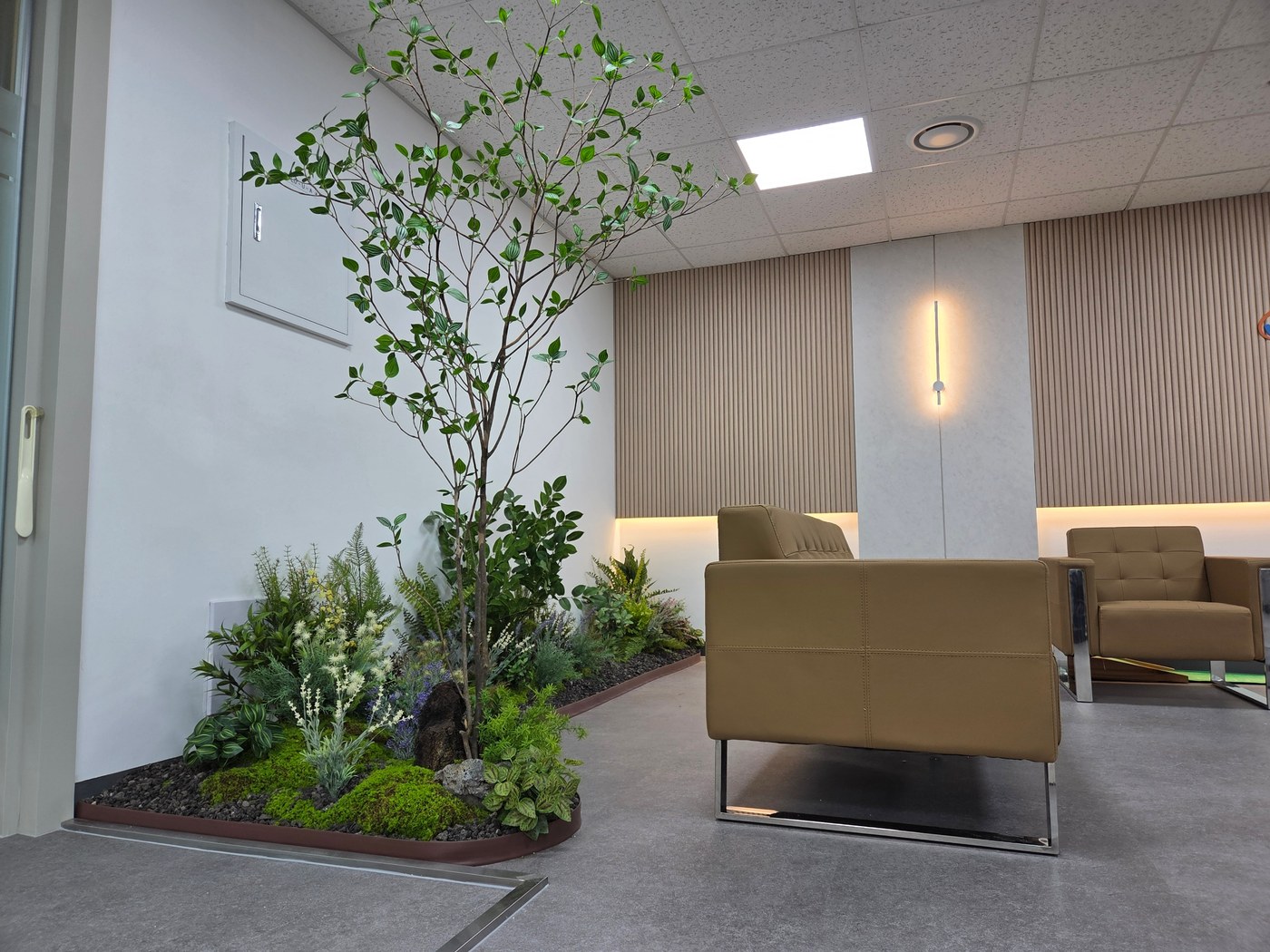
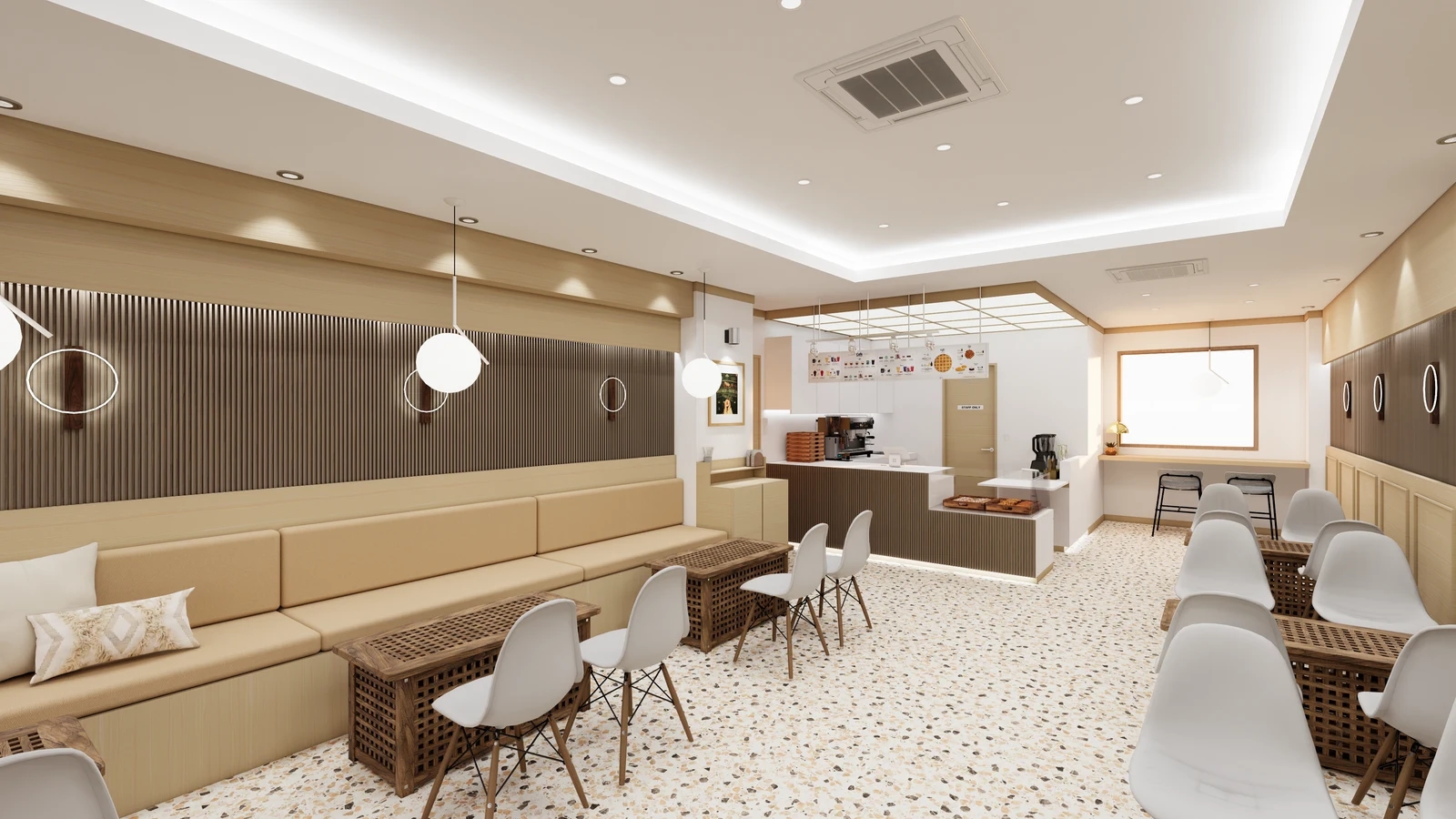
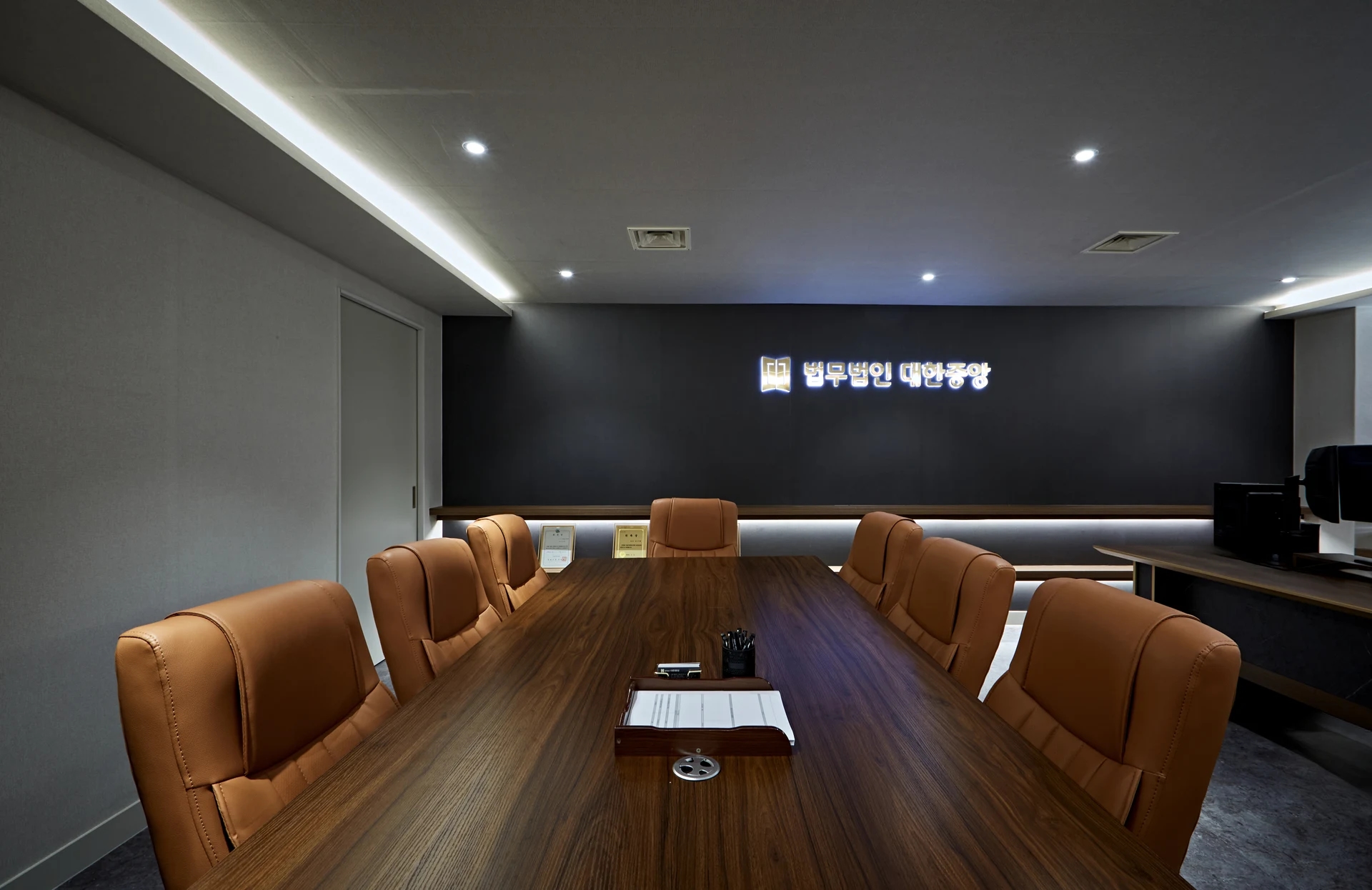
Orient samples as installed. A floor sample upright on a wall receives light differently from one viewed below. Site photos likewise illustrate repeated lines and surrounding colors rather than identifying products or joint specifications.
Check care requirements separately from color
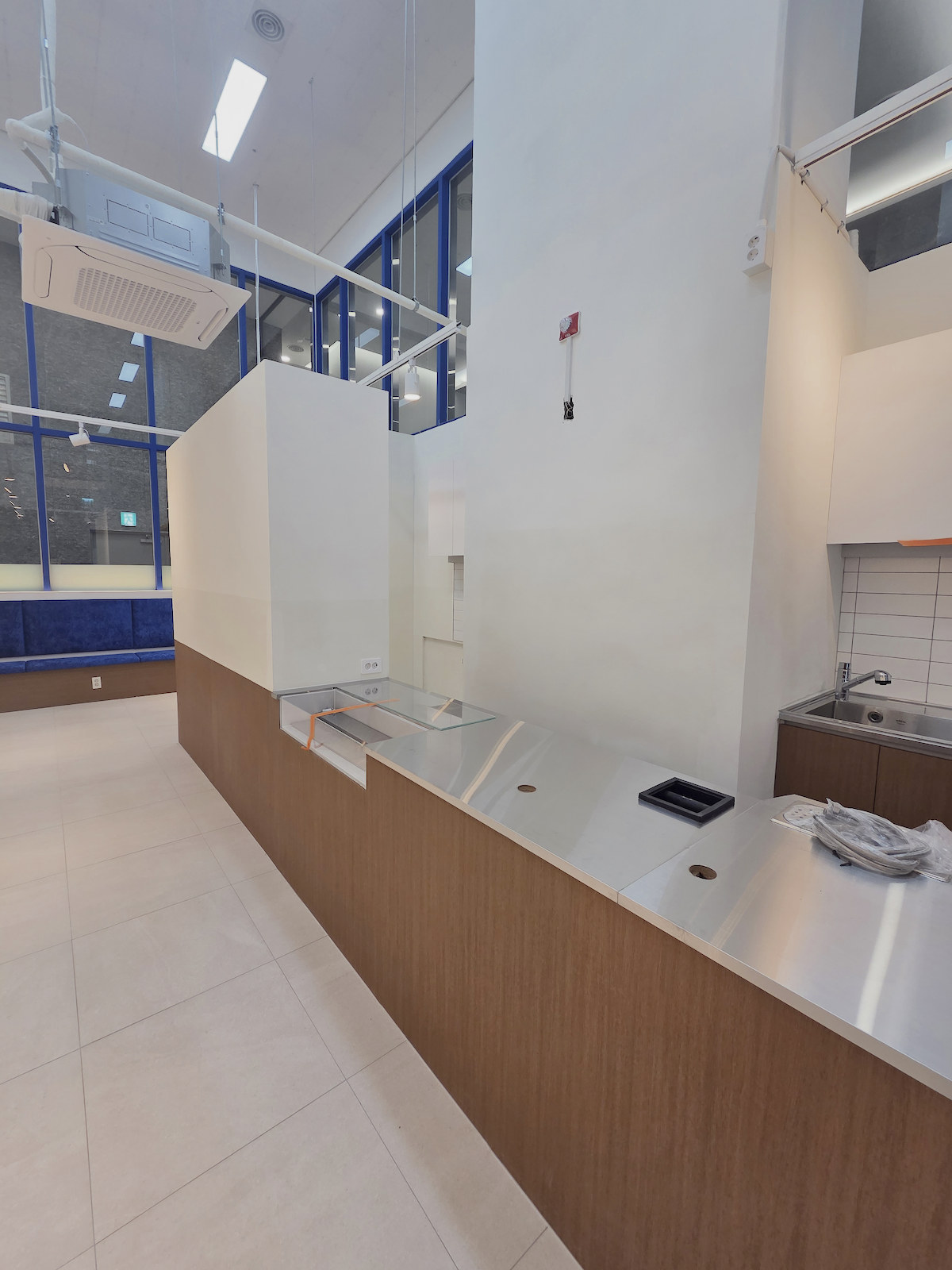
Dark grout does not resolve every dirt or maintenance concern. Review appearance separately from application conditions. For wet or cleaner-exposed zones, obtain suitability and maintenance information for that environment.
Completion records should include tile and grout product names, colors, and installed zones. Check grout instructions as well as tile cleaning. Knowing the original combination reduces mistaken substitutions with similar shades during repairs.
What to check at this stage
- How strongly joints stand out across several tiles
- How the arrangement ends beside frames and furniture
- Whether grout environment and care requirements were checked
Ask us about your interior project
We can discuss a quote and design suited to the space you are planning.
Request a free consultation