Commercial interior maintenance: records and routines after opening
Maintenance starts before calling a contractor when problems appear. Organize finish and equipment details by space and establish a small routine for recording recurring changes.

Before you begin
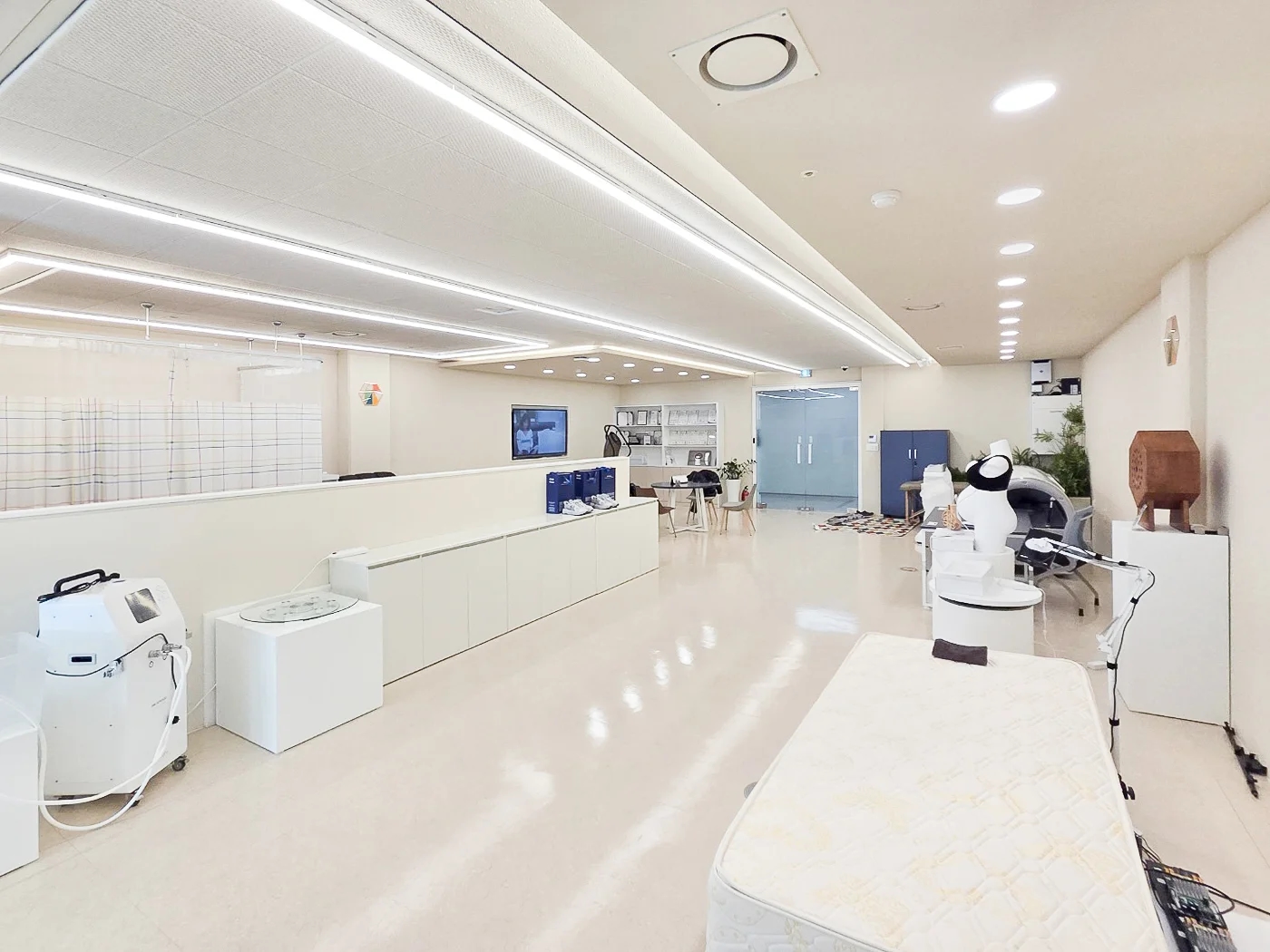
- Group products, colors, and responsible contacts by space.
- Base cleaning on actual product guidance rather than material names alone.
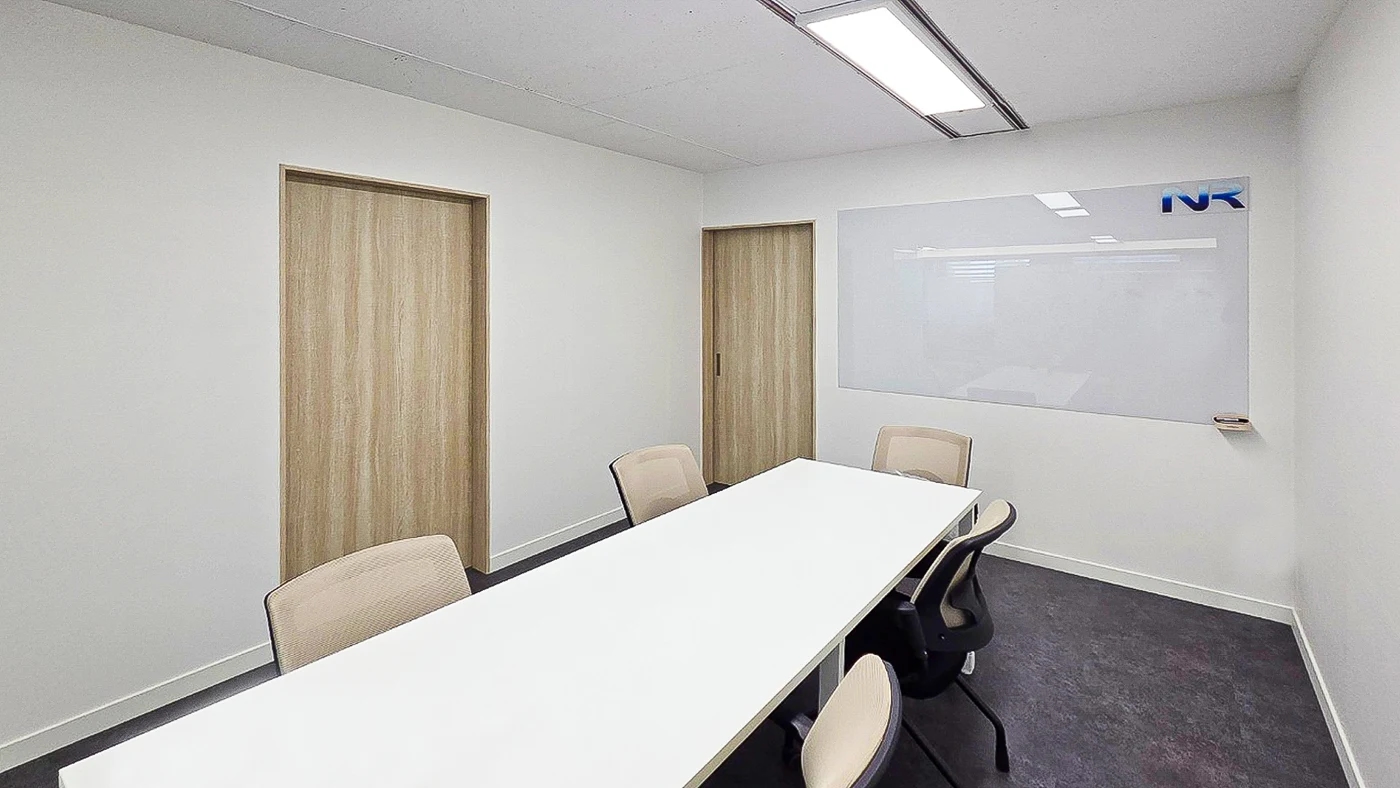
- Photograph the same locations from matching angles to record changes.
Storing product information where it is easy to find
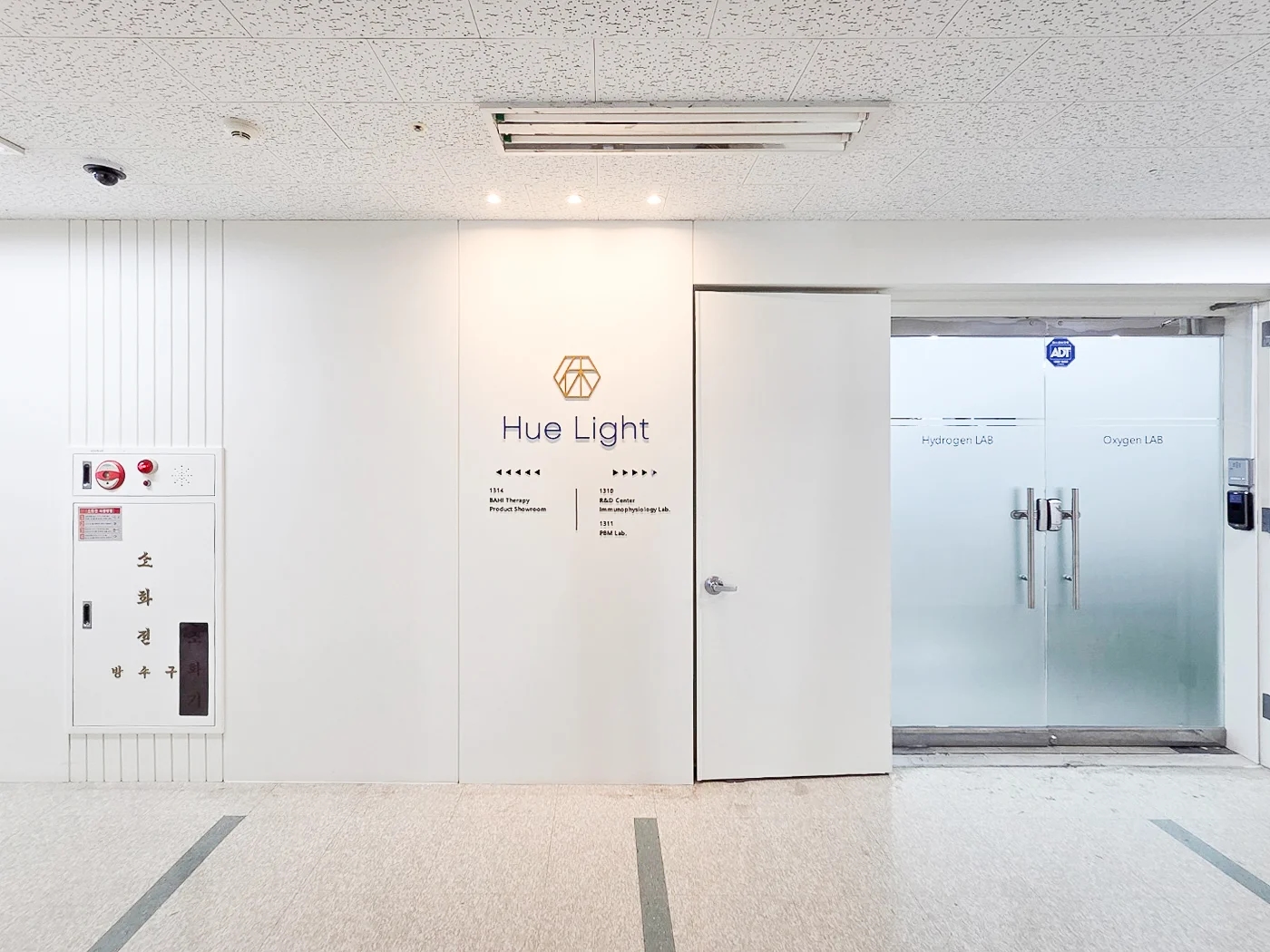
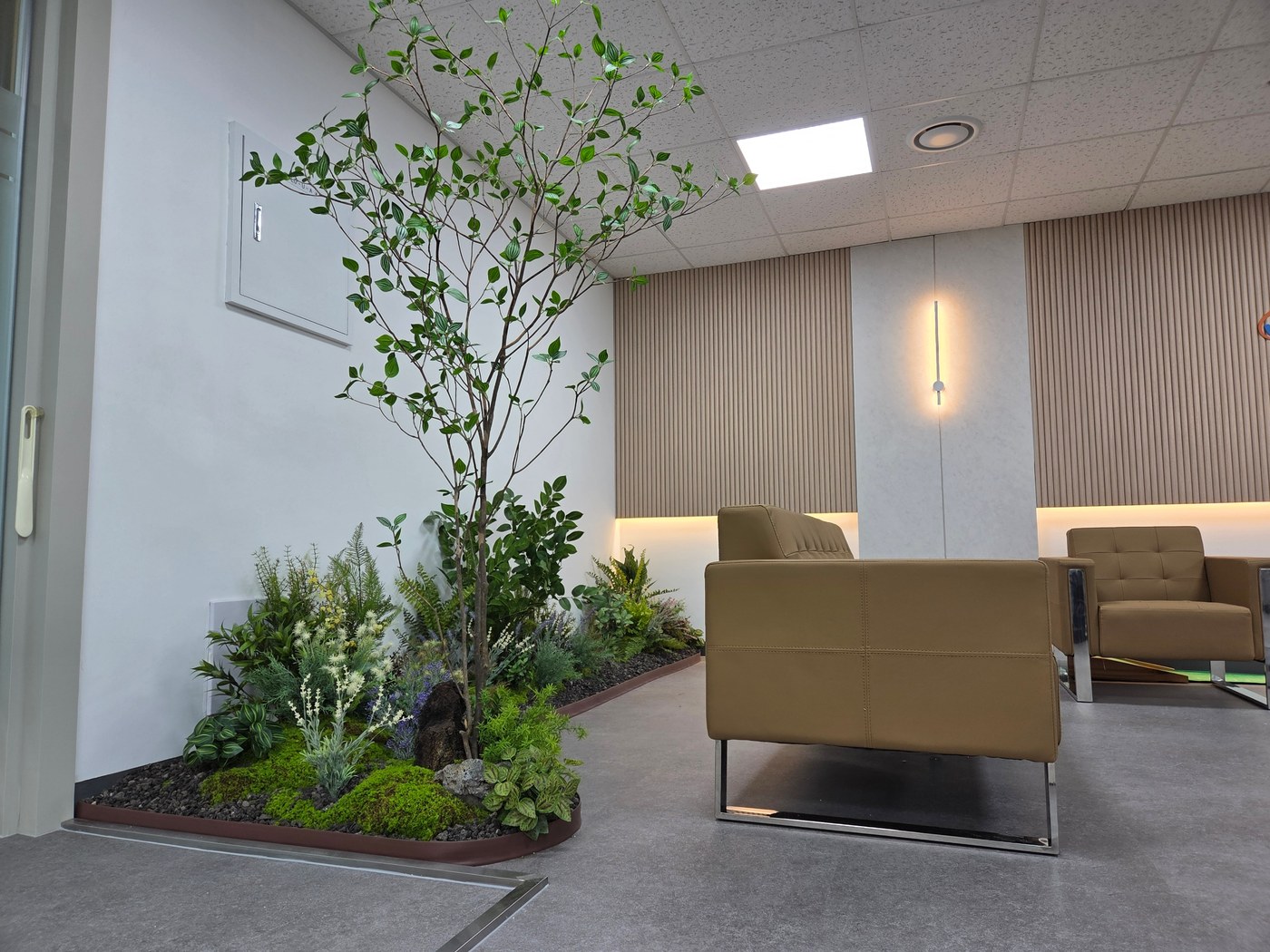
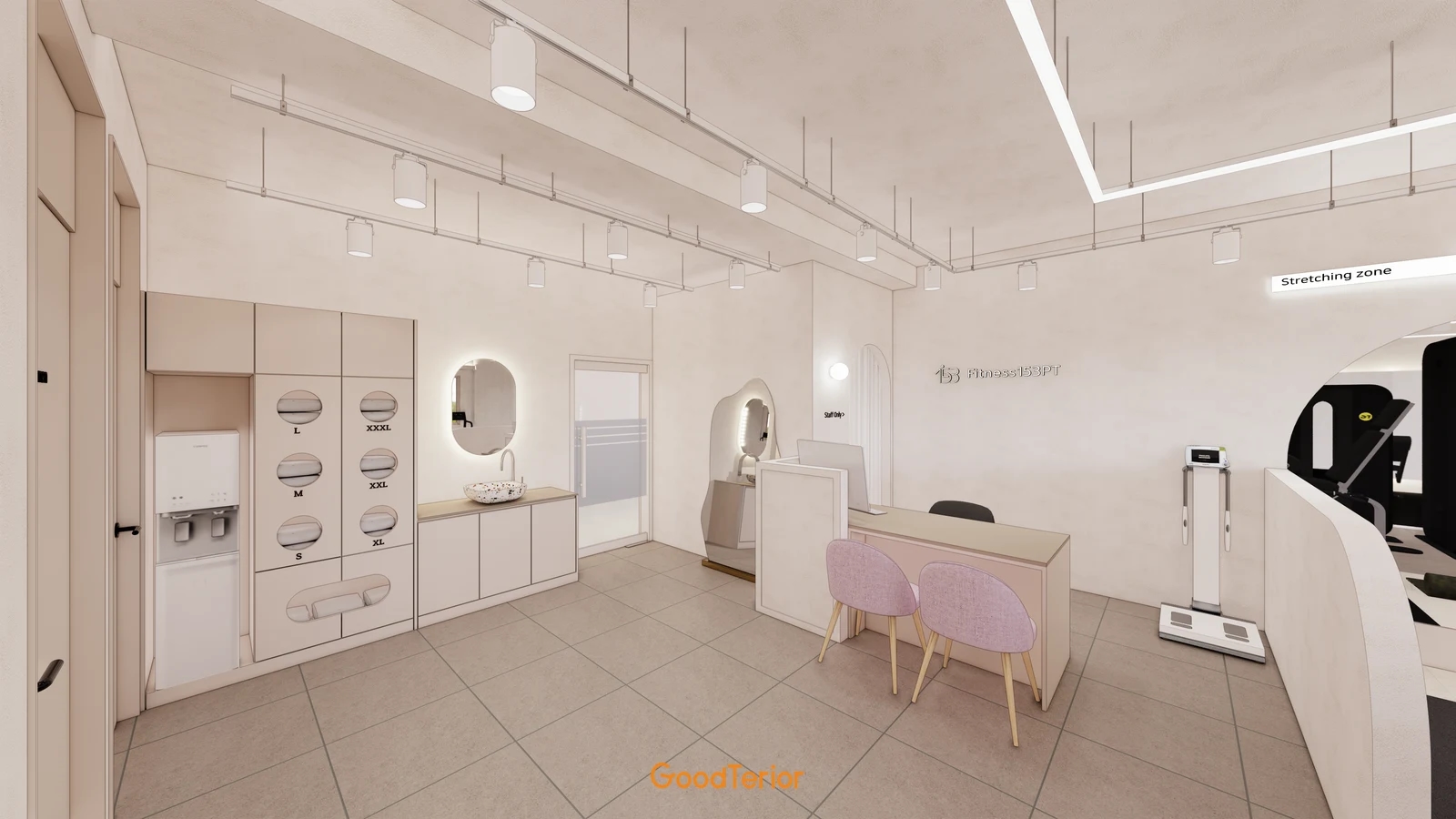
Product codes alone make application locations hard to remember. Connect information to named spaces such as entrance walls, countertops, and consultation-room floors. Keep overall construction photographs beside close-ups to make later explanations easier.
Suppliers and installers may differ for equipment and furniture. Collect contact details, manuals, and model names together. Choose storage accessible after staff changes, adding updated contacts and replacement records to the same file.
Cleaners and tools differ by finish
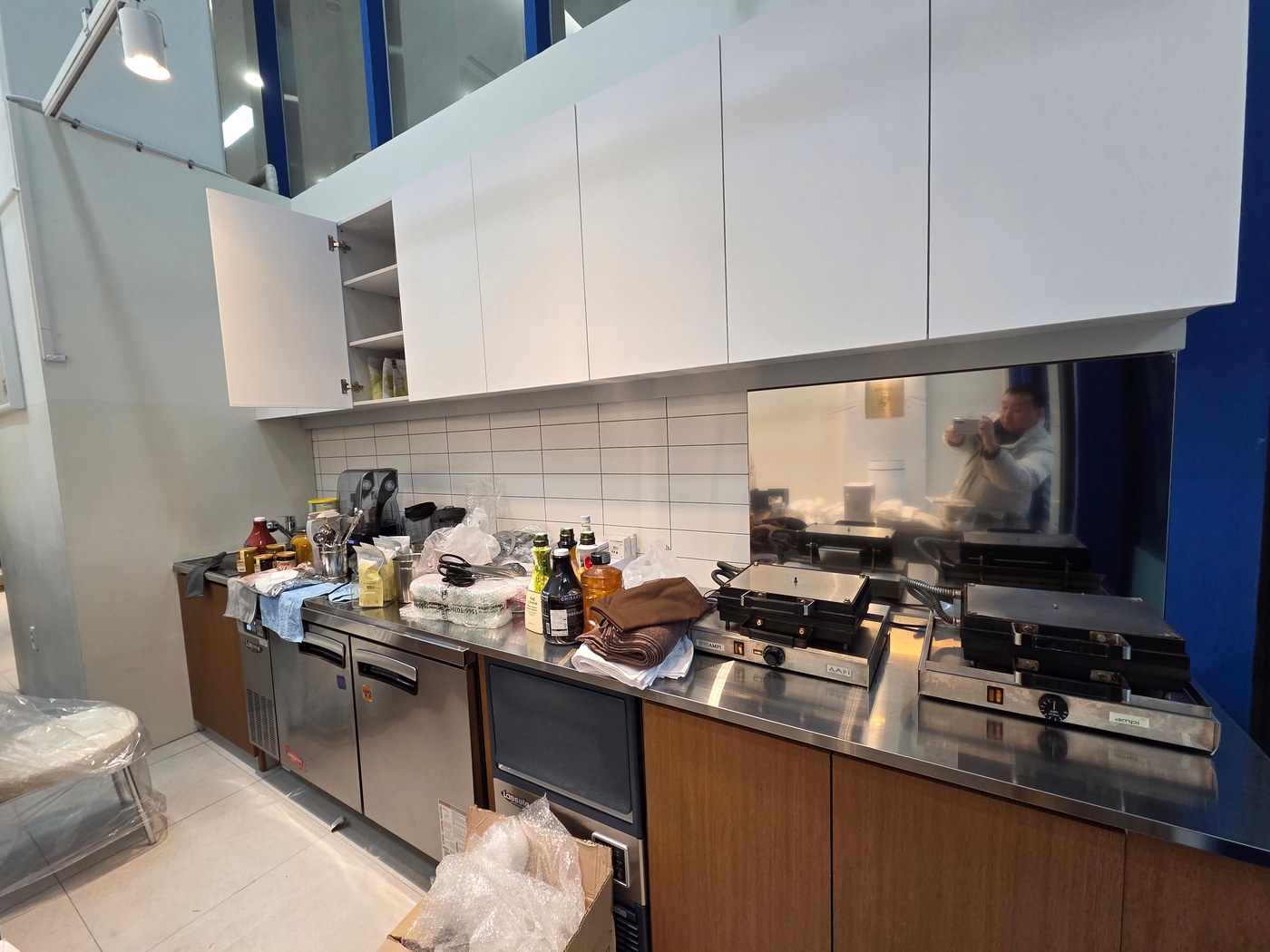
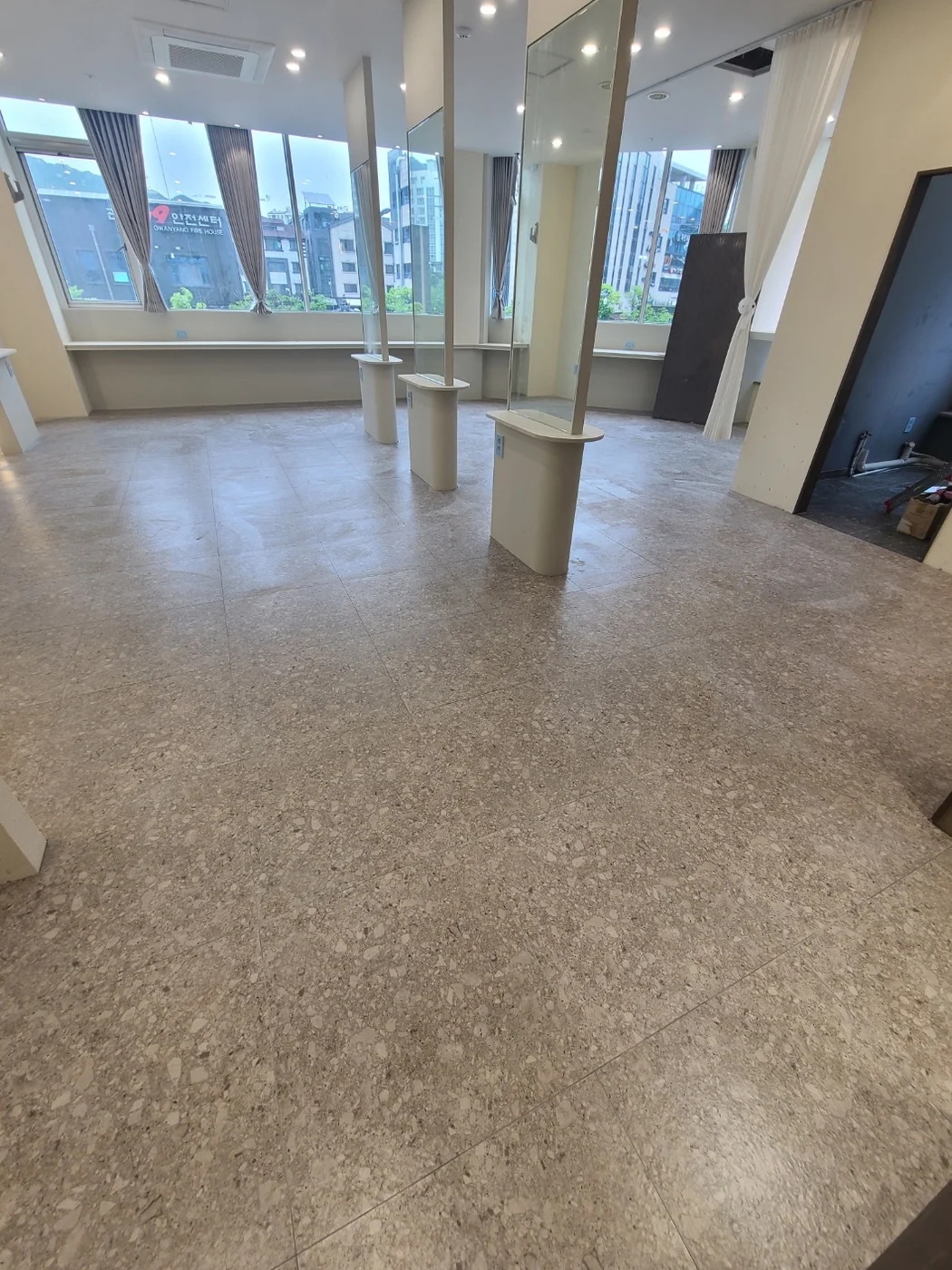
Similar white counters or gray floors may use different materials and surface treatments. Avoid cleaning everything identically; check actual product instructions. Formica's laminate care guidance concerns that material and should not be copied directly to painted surfaces or natural stone.
Separate daily tidying from periodic maintenance. Interface's carpet tile guidance distinguishes routine cleaning, local stain treatment, and periodic care. Set intervals and methods from product instructions and use levels, sharing them so staff do not arbitrarily switch to stronger cleaners.
Changes revealed by repeat photographs
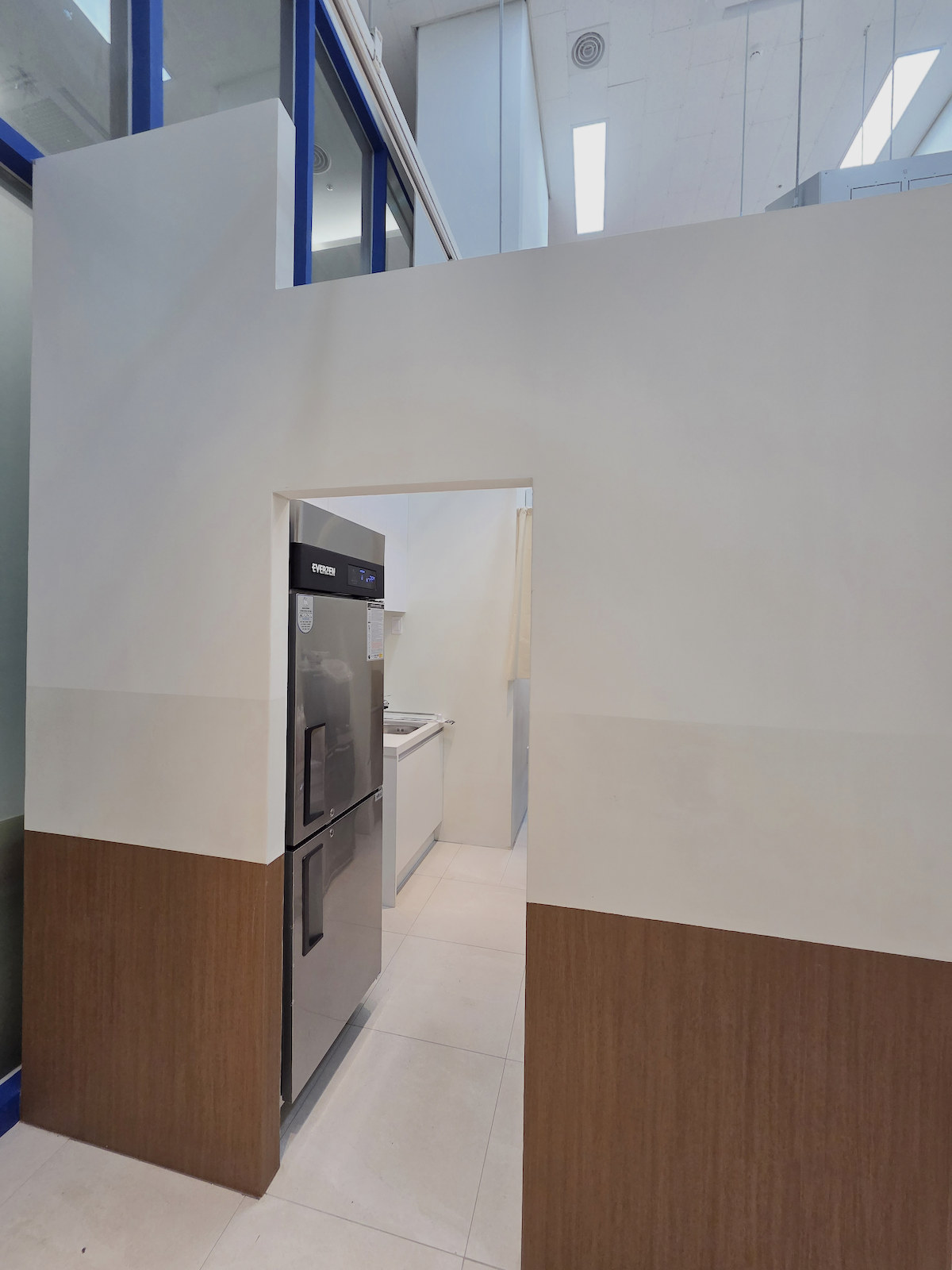
Distinguish isolated marks from recurring changes in the same spot. Briefly record discovery dates, locations, and preceding work or use. Include an overall location view alongside close-ups so the responsible person can understand the situation.
Report moisture, lifting, or other changes requiring investigation before covering them. Do not diagnose causes or assume a finish defect from photographs alone. Records support fast, accurate sharing of the scope needing inspection rather than self-diagnosis.
Product codes and installation records for partial replacements
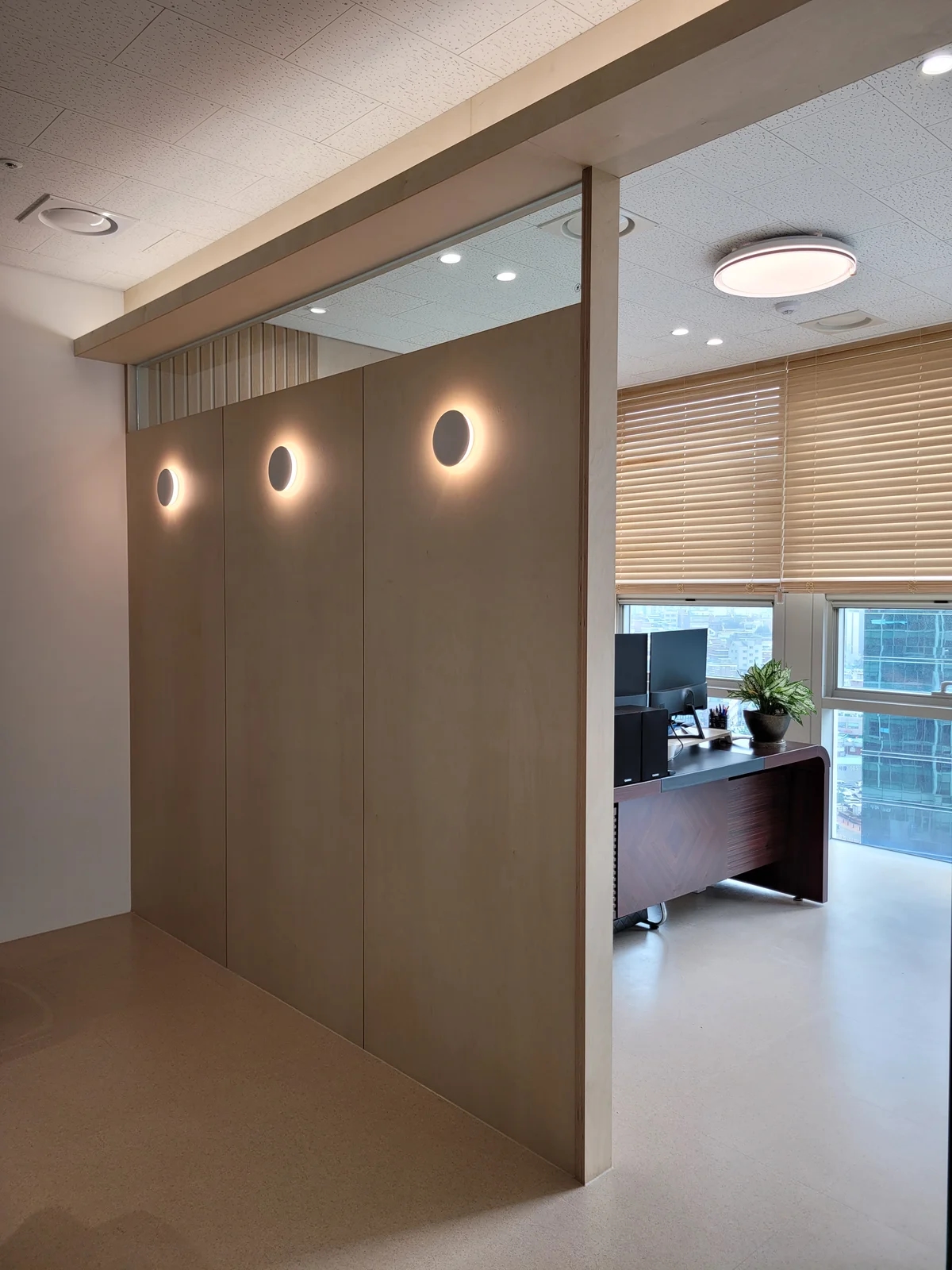
Do not order handles, lights, or furniture components by similar appearance alone. Compare models, dimensions, and connections with existing records and confirm compatibility. For finishes, verify current supply information even if a color name remains the same.
Add replacement product details, dates, and scope to the records. Record spare-material locations and quantities, following product-specific storage conditions. Keeping the current condition clear as small changes accumulate beyond original drawings is fundamental to long-term maintenance.
Ask us about your interior project
We can discuss a quote and design suited to the space you are planning.
Request a free consultation