Reading construction schedules: decisions that affect project duration
Review material approvals, orders, site checks, and equipment deliveries alongside work dates. Work backward from opening to identify easily missed preparation tasks.

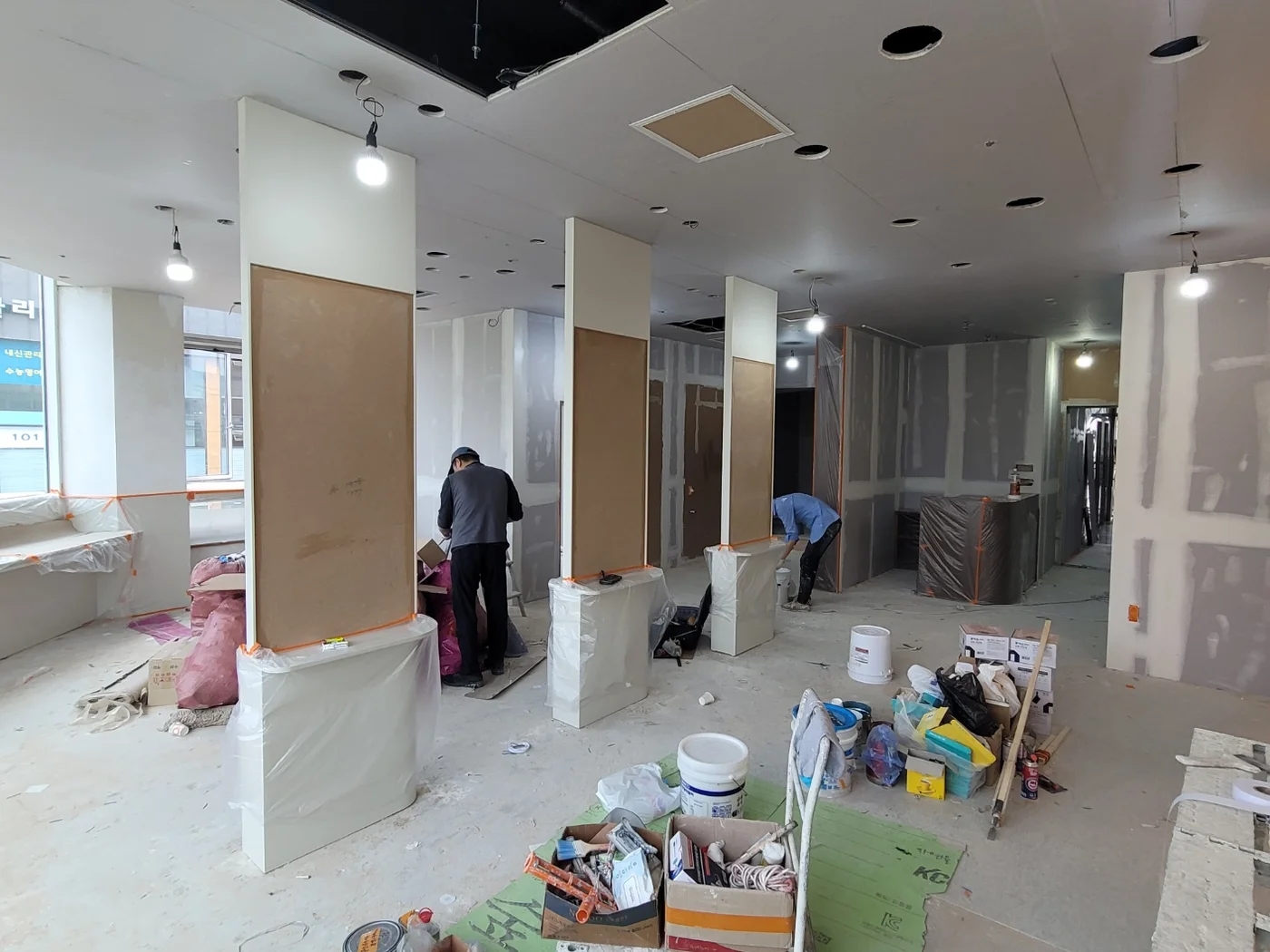
Before you begin
- Separate construction completion from actual opening.
- Confirm materials and lead times before installation dates.
- When changing sequences, check prerequisites for subsequent work too.
Time between completion and opening
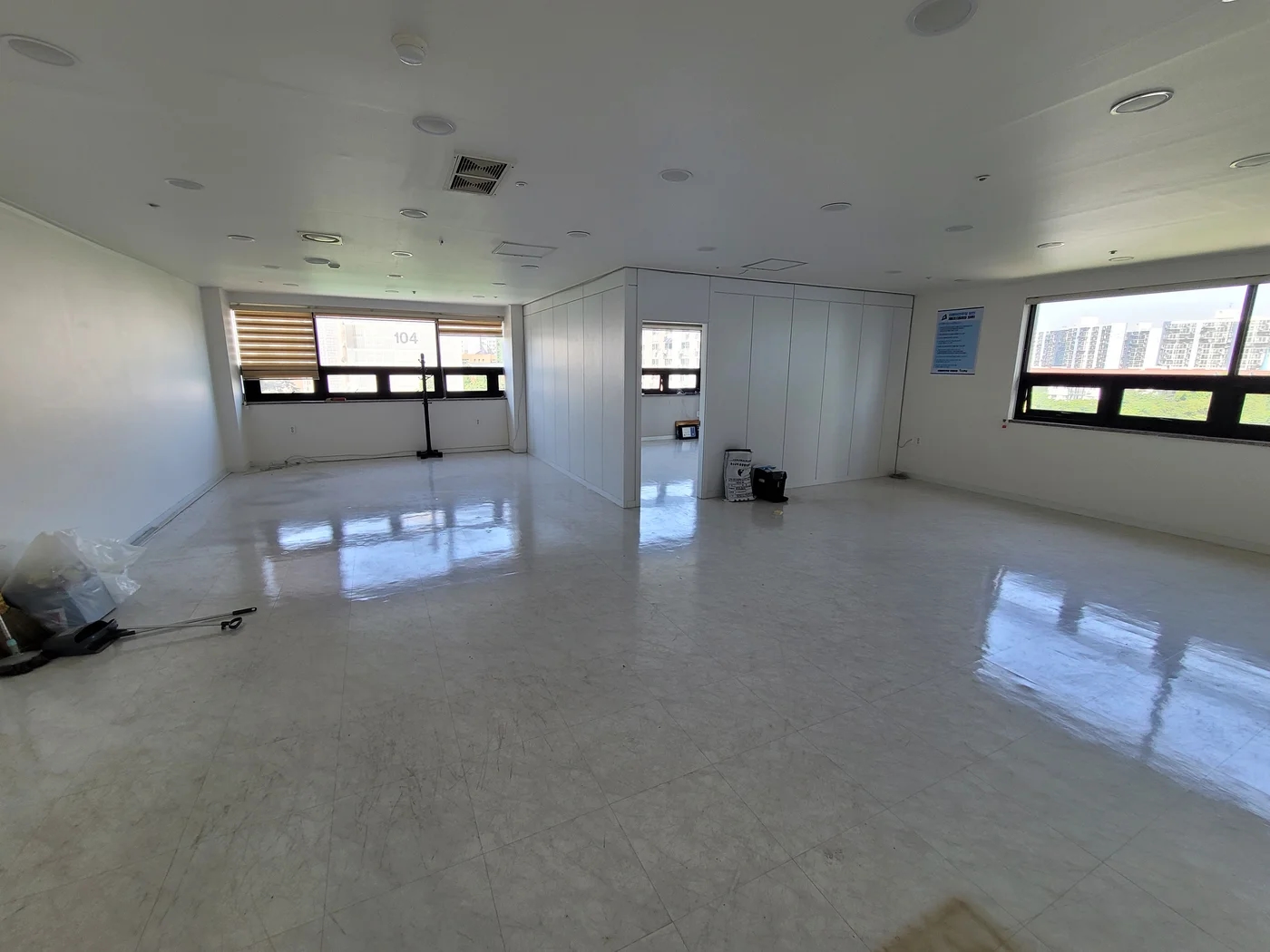
First clarify what the schedule's final box means: finish completion, post-construction cleaning, or acceptance after remedial checks. The same completion label can cover different tasks.
Opening may still require equipment delivery and testing, product displays, and staff training. List these separately after construction. Confirm time with each responsible person instead of crowding everything into the day before opening.
Material decisions and orders have deadlines too
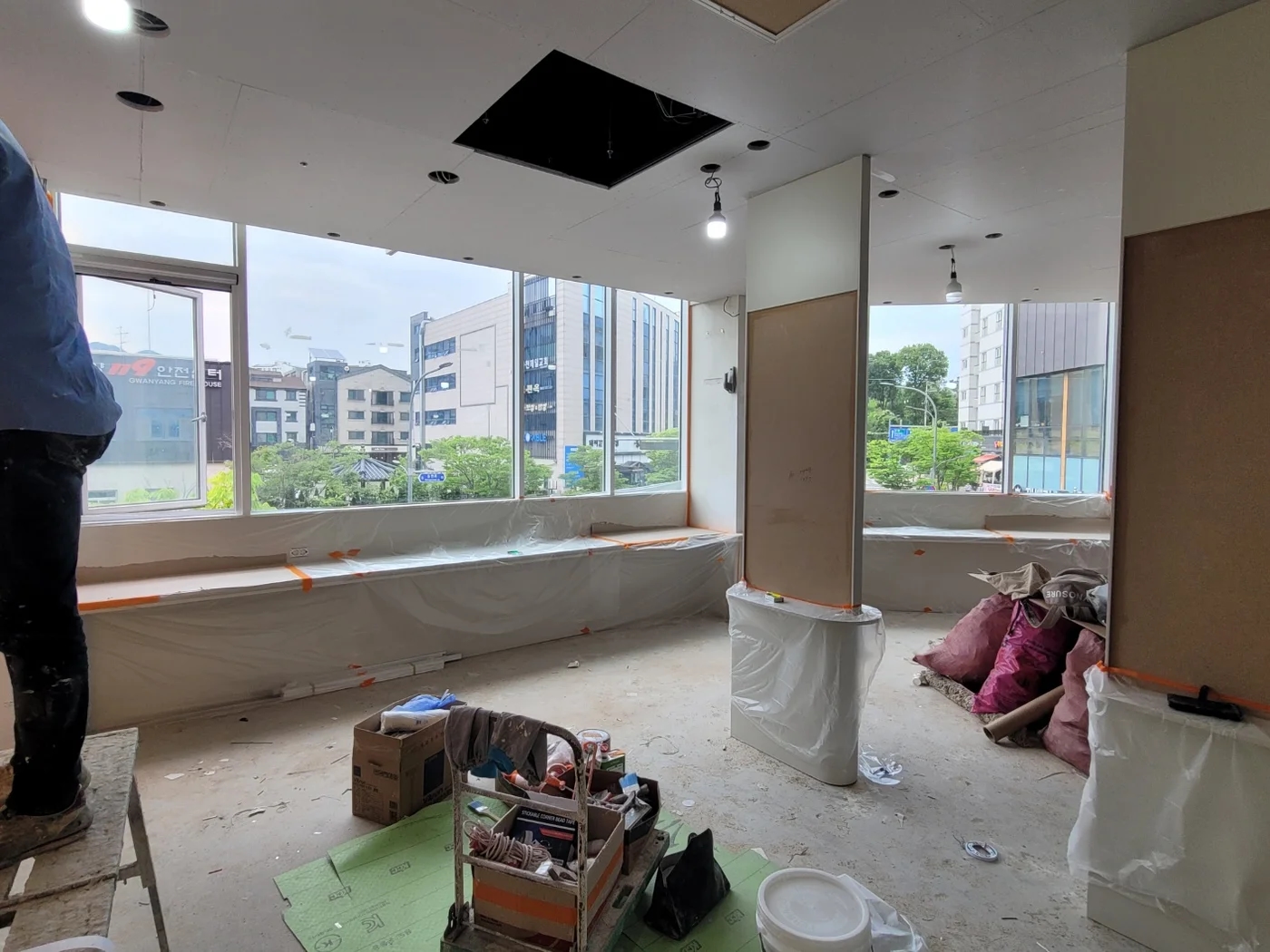
An installation date does not mean materials can be chosen immediately beforehand. Stock, transport, and ordering cutoffs require earlier decisions. Mark approval, ordering, and expected arrival separately.
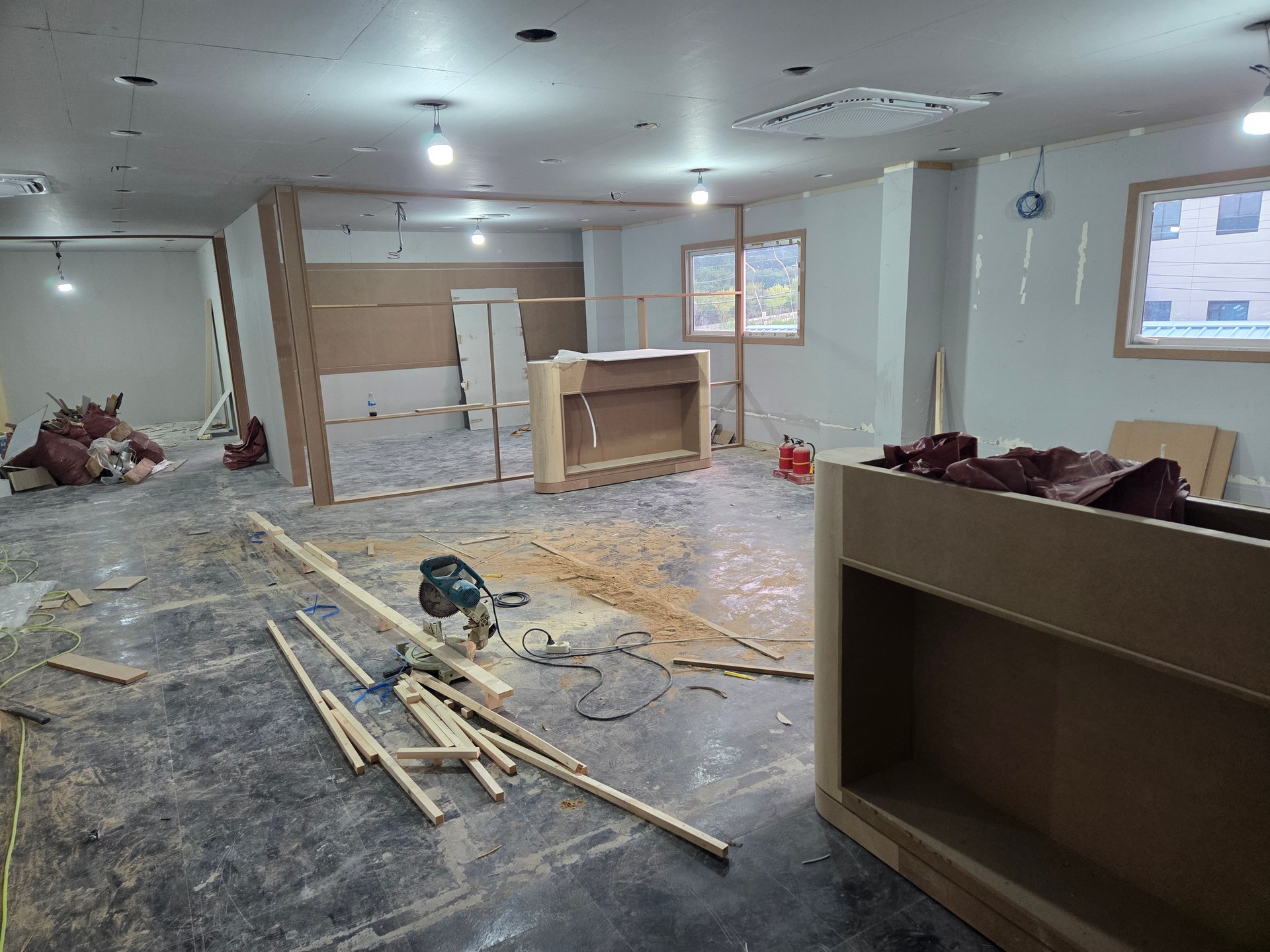
Custom furniture needs confirmed dimensions, internal layouts, and finishes. Check whether moving walls changes furniture sizes. Narrow unresolved choices with the responsible person and ask when decisions are needed for subsequent preparation.
What to check at this stage
- Have decision deadlines been confirmed for each material and furniture item?
- Have contacts been identified for delivery changes?
Prerequisites for starting the next task
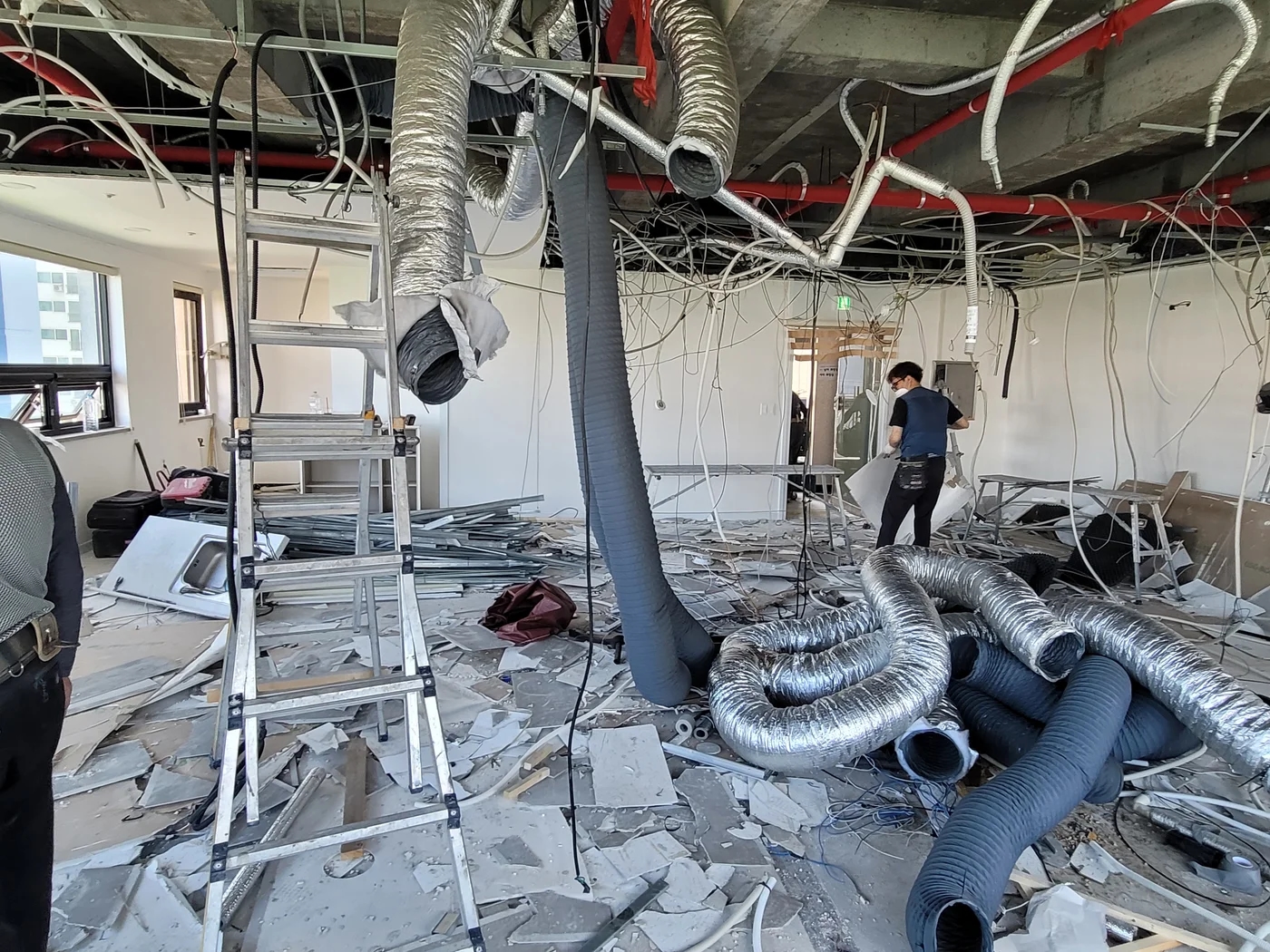
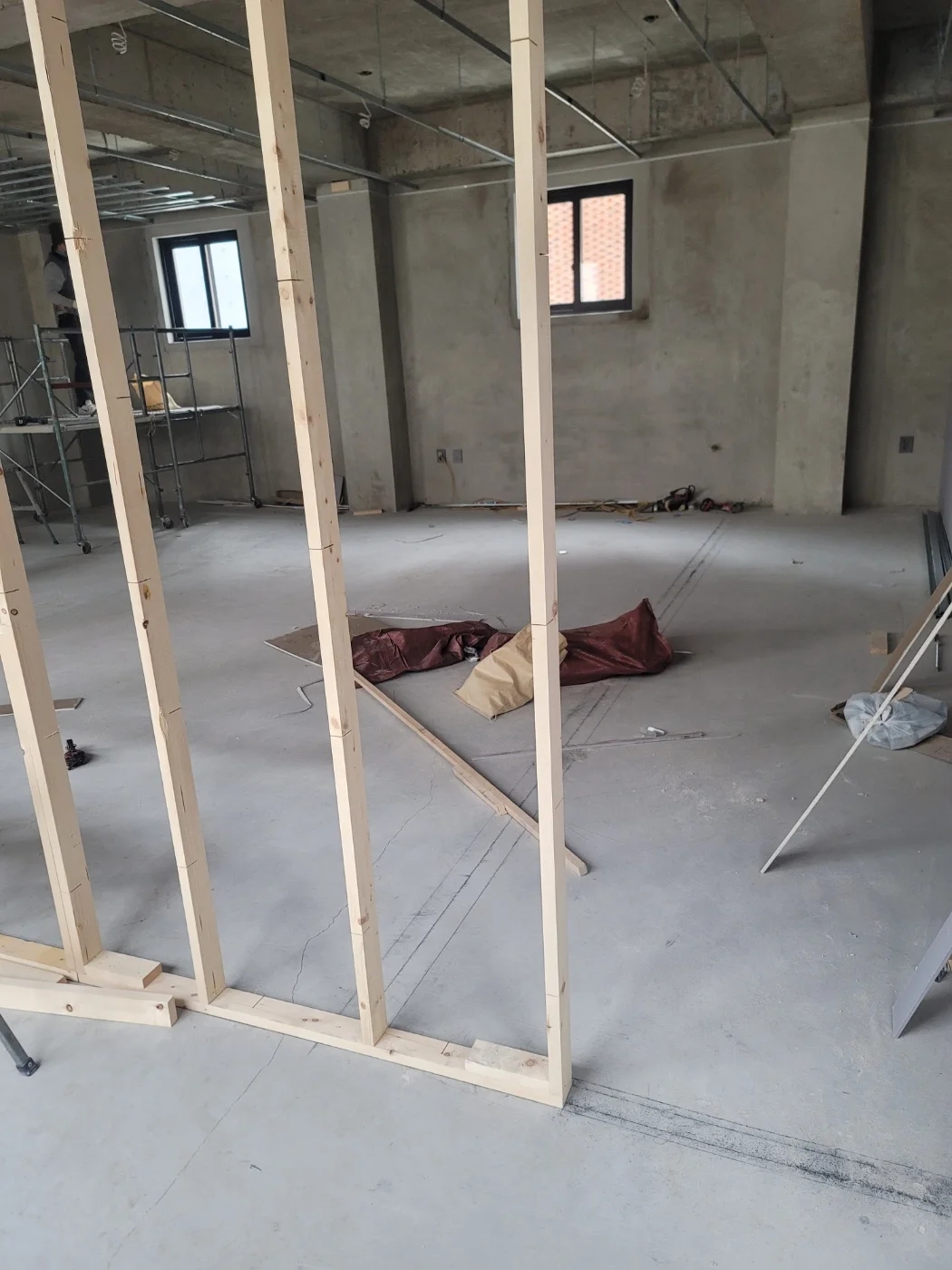
Tasks connect through conditions rather than dates alone. The preceding work must reach a suitable state before the next team begins. Record inspection points before concealed services are closed behind walls.
Materials needing drying or curing must follow product guidance and site conditions. Do not arbitrarily shorten waiting because time is tight. When revising dates, confirm subsequent prerequisites remain satisfied.
Work that should not conflict with equipment deliveries
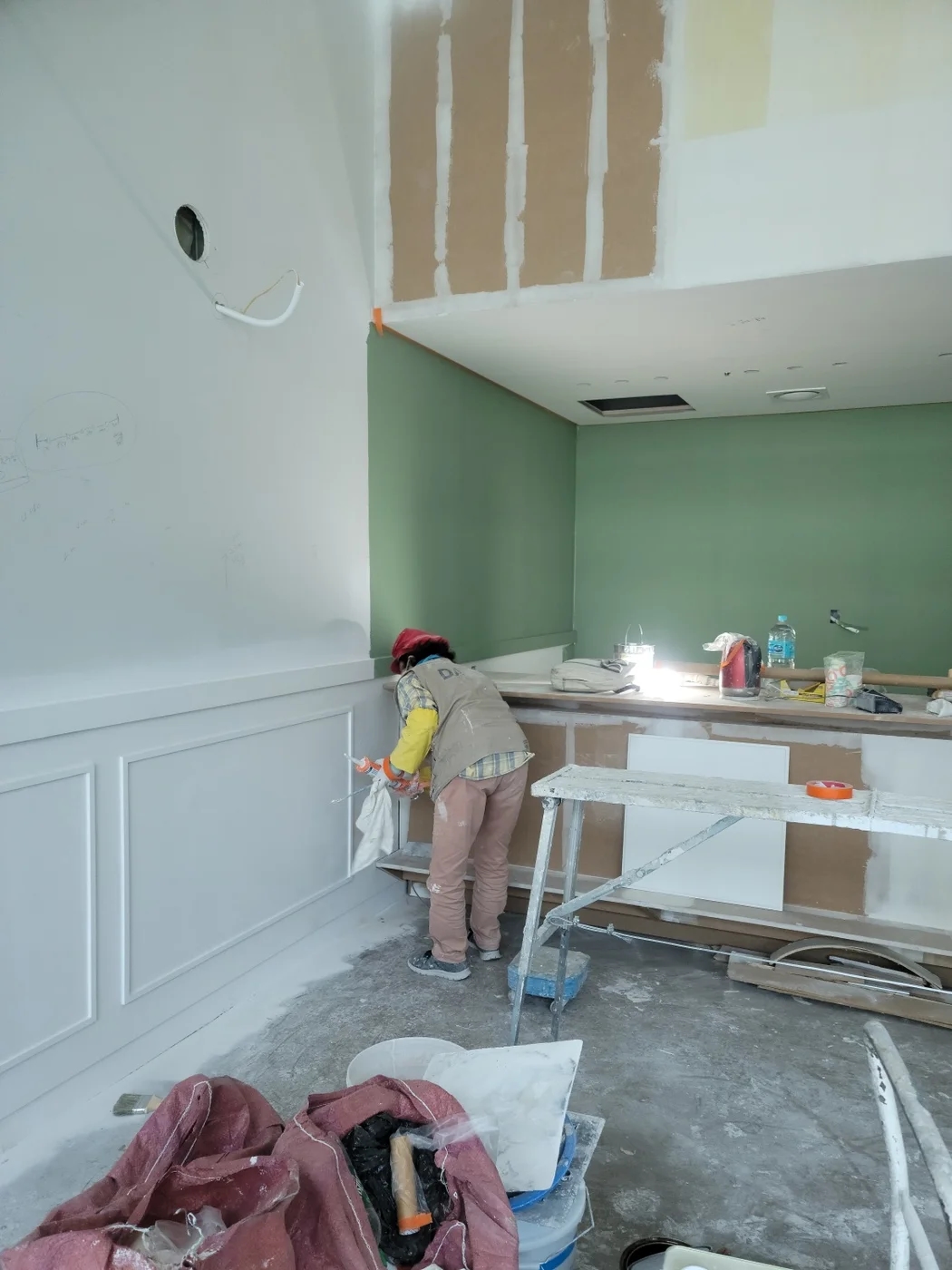
On large-equipment delivery days, check competing tasks along access routes. Agree protection for finished floors. Separate installers need shared information on package dimensions, workspace, and connection readiness.
Early deliveries can obstruct rather than accelerate work if storage is unavailable. Check active zones and storage positions first. Building delivery hours and elevator conditions should appear in the same schedule.
What changes when a stage is delayed?
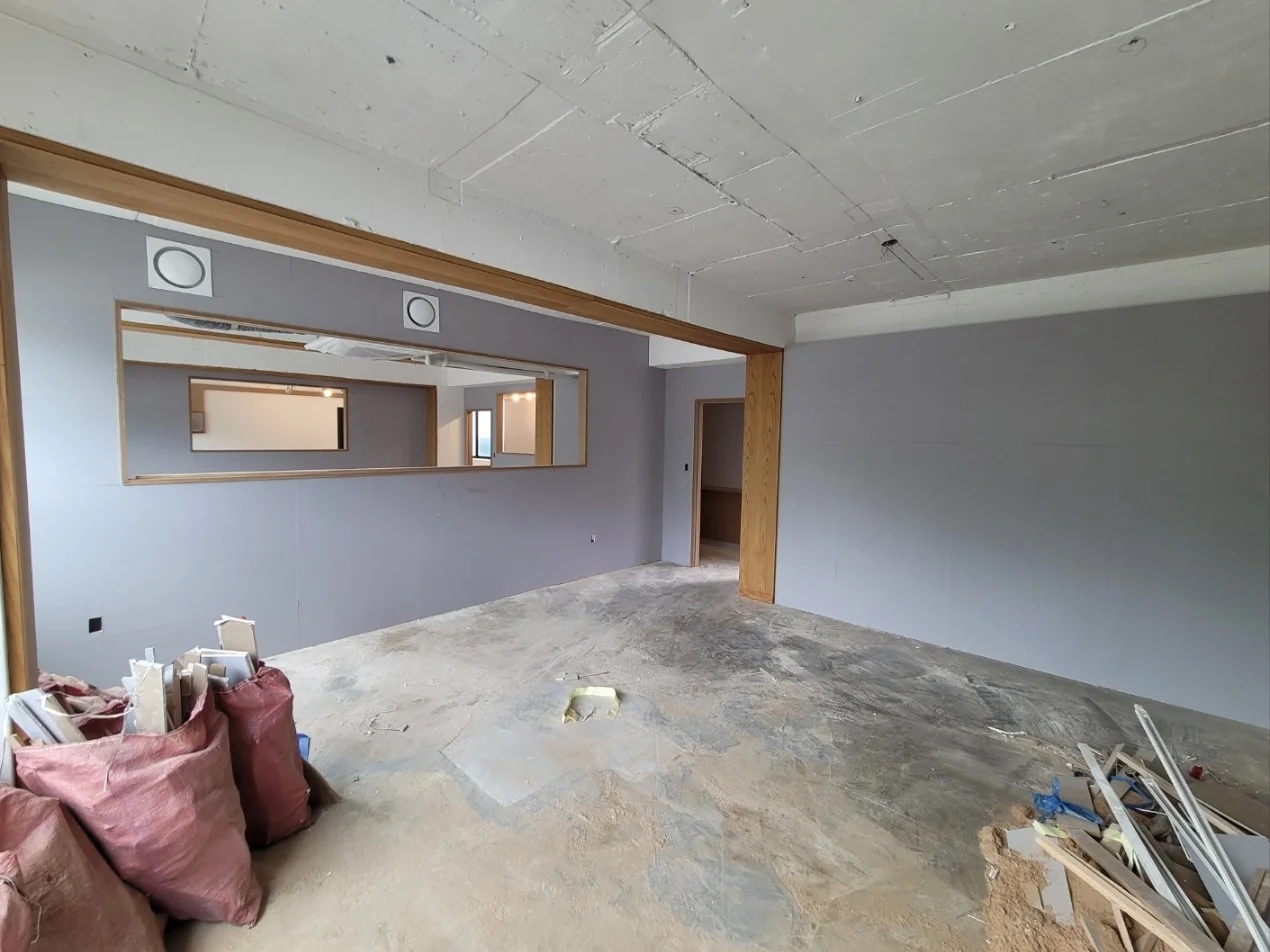
A delayed stage need not shift every later date equally. Ask which tasks are affected, which can proceed independently, and which require specialist visits. Mark revised versions or dates so everyone shares the same schedule.
The duration of a 20-pyeong project cannot be determined from area alone. Demolition, site conditions, and custom items establish the schedule basis. Once layout and estimates are confirmed, request decision and inspection dates alongside workdays.
Ask us about your interior project
We can discuss a quote and design suited to the space you are planning.
Request a free consultation