Classroom desk layouts: criteria shaped by teaching methods
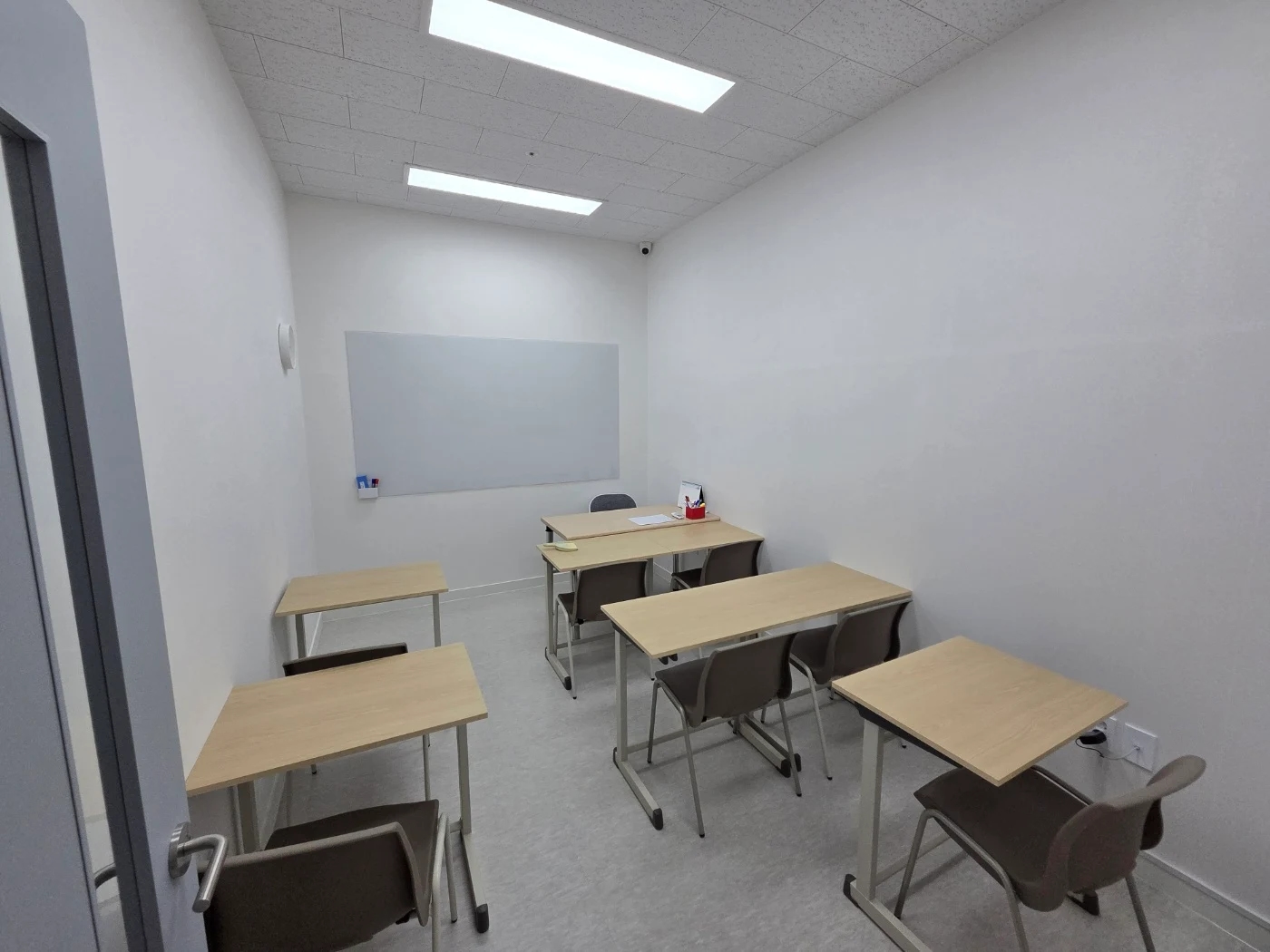
Classroom planning does not start with fitting a seat count. Lectures and discussion-based lessons need different sightlines, teacher routes, and space for learning materials.

Before you begin
- Choose a representative lesson before arranging desks.
- Check boards and screens from front, rear, and edge seats.
- If lessons move furniture, plan movement and storage too.
Desk arrangements for lectures and group lessons
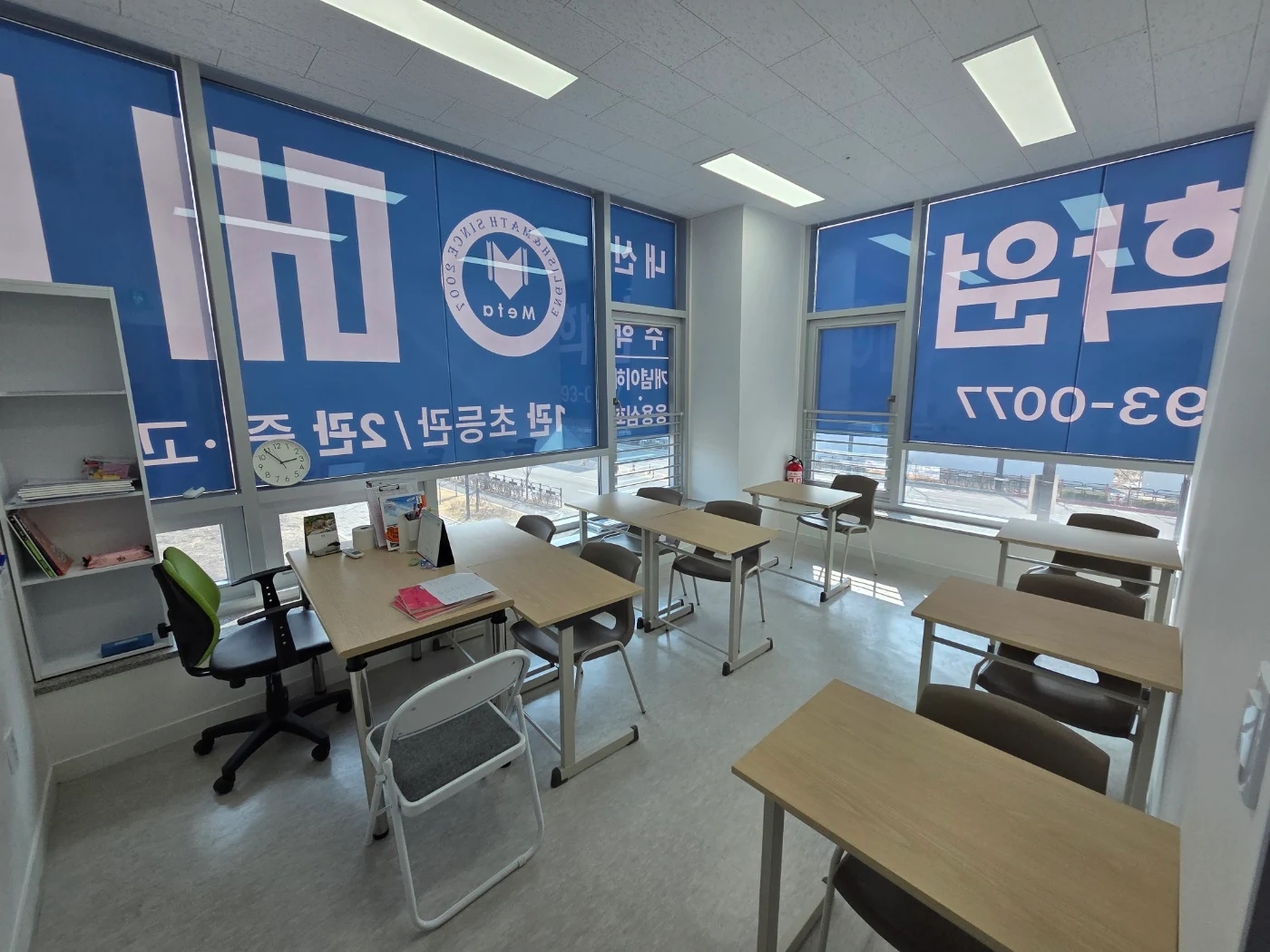
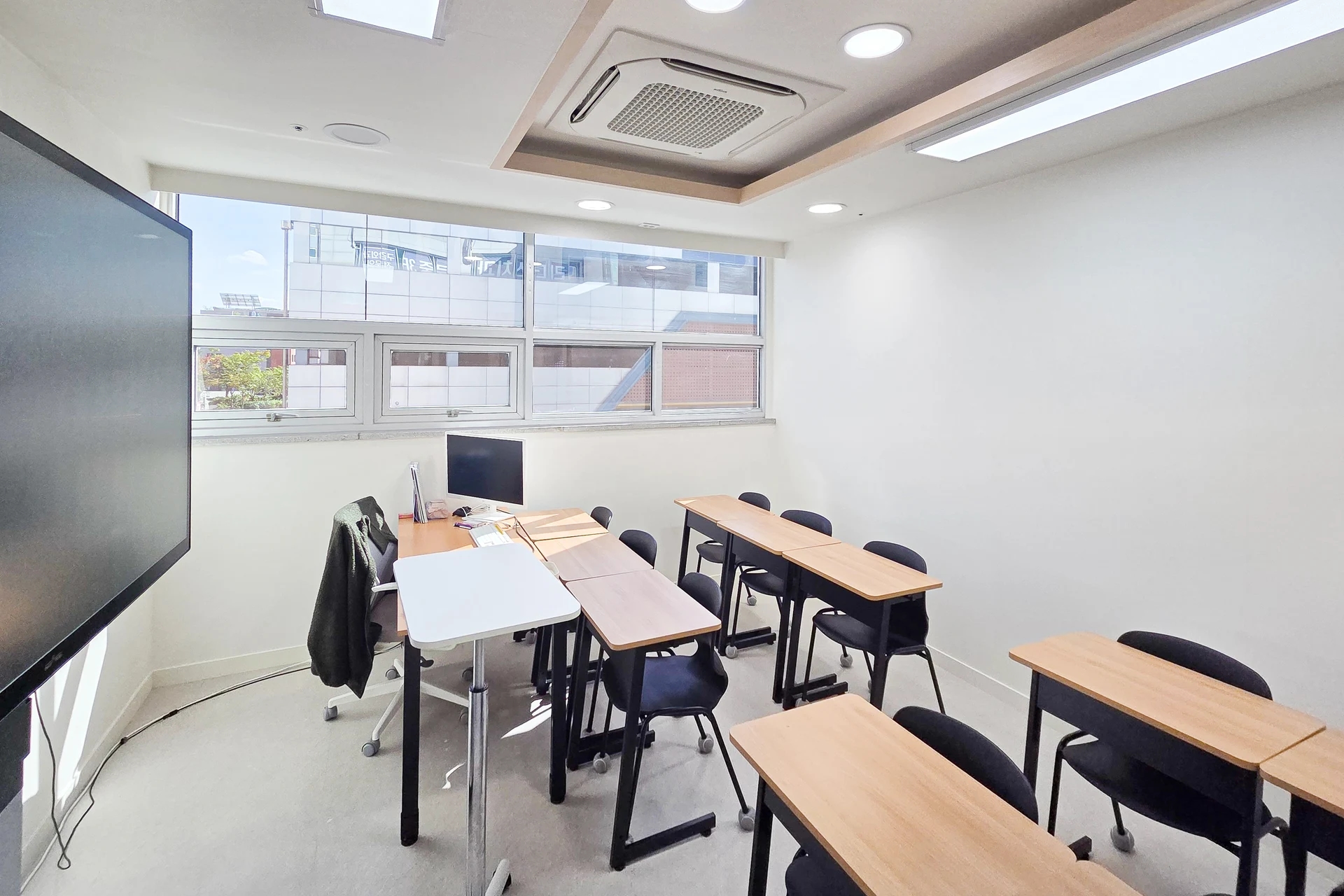
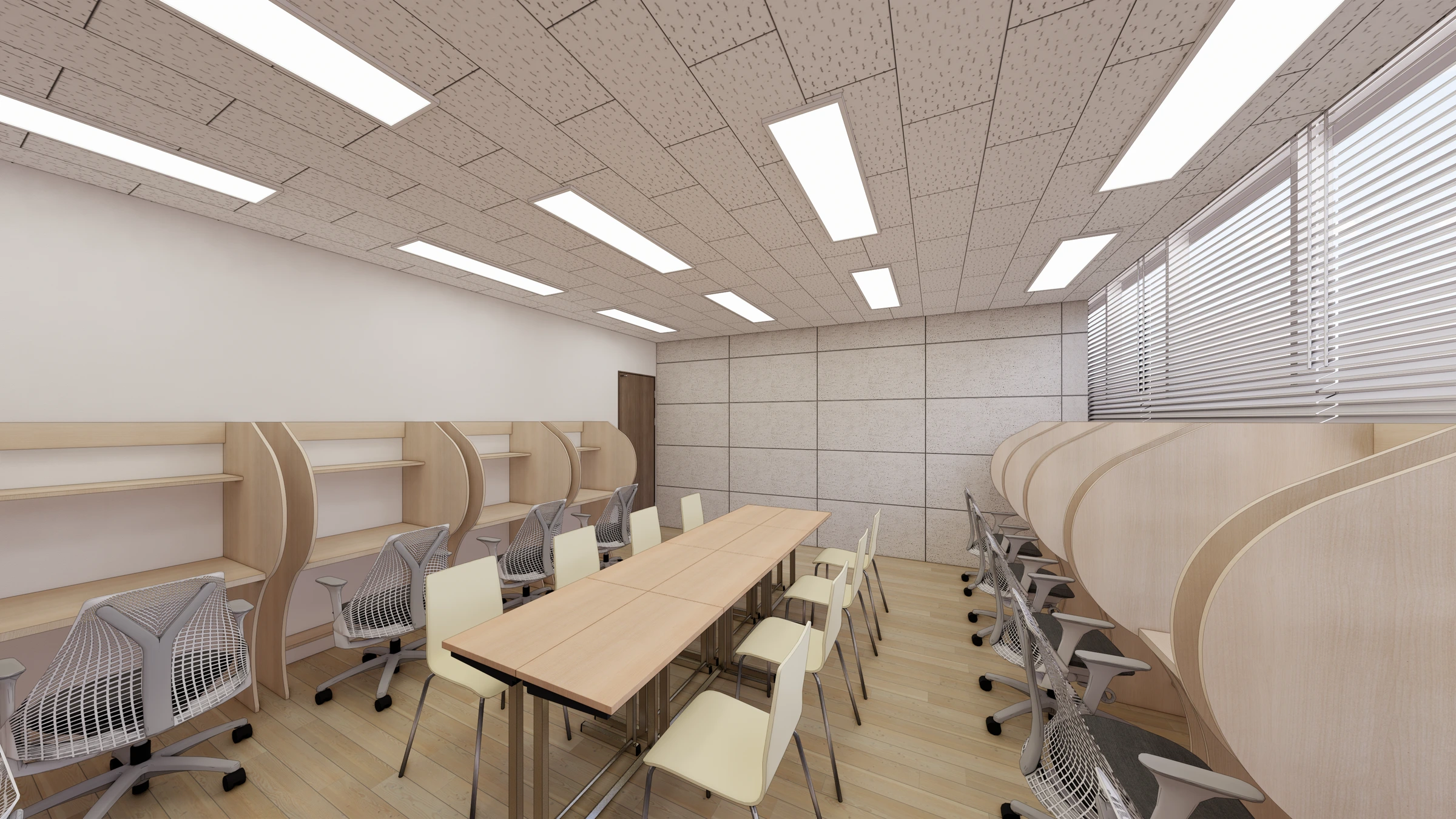
Long teacher explanations and face-to-face discussions need different desk orientations. Break a lesson into explanation, problem-solving, questions, and activities. Base the regular layout on the most frequent activity to reduce the gap between attractive and useful arrangements.
Rows, facing groups, and open-center layouts are not universally suitable. Check seats requiring twisting toward the board and positions making eye contact difficult. If furniture will rarely move, assess how comfortably the same arrangement supports several activities.
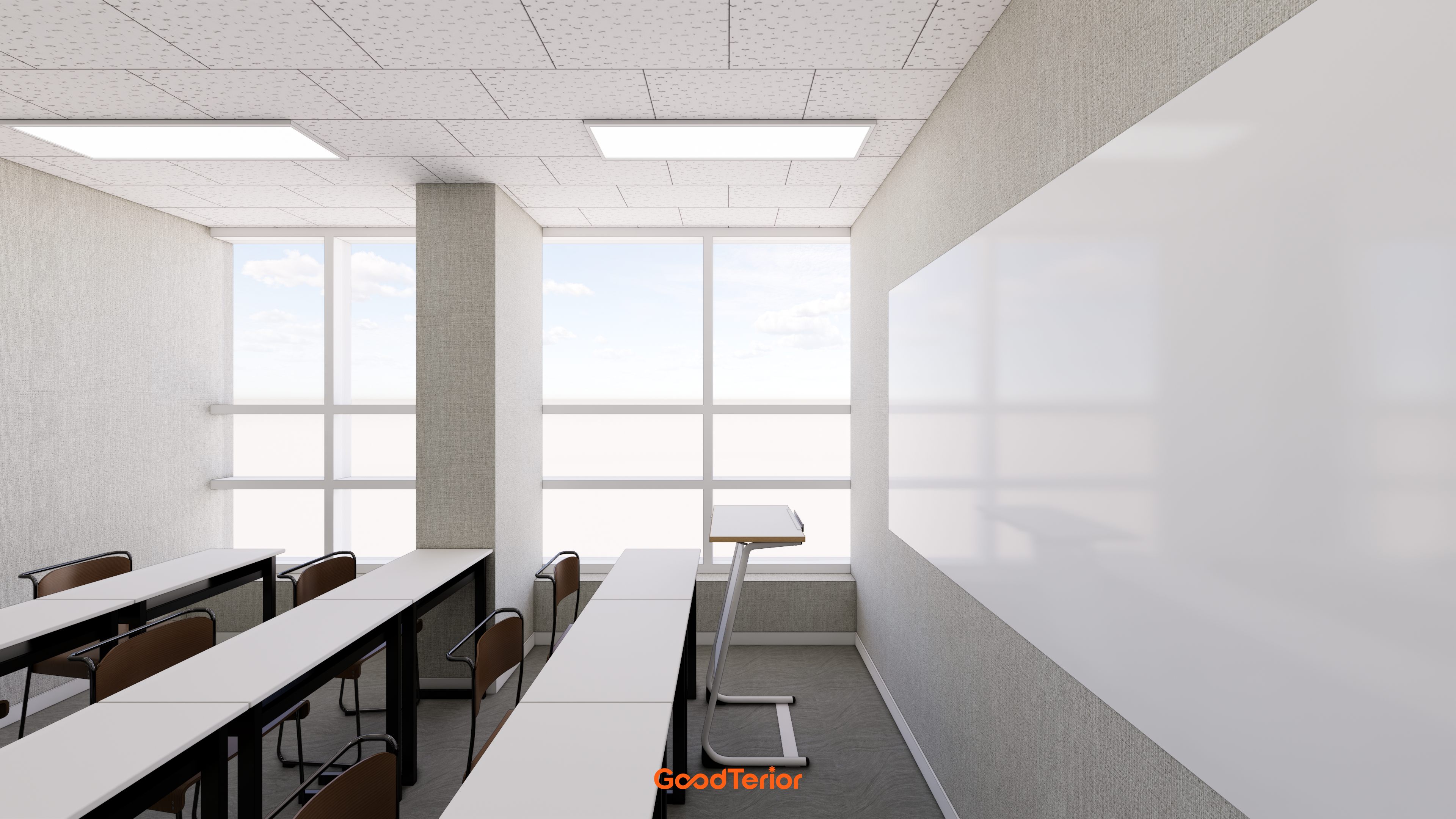
Can students at the back see the board?
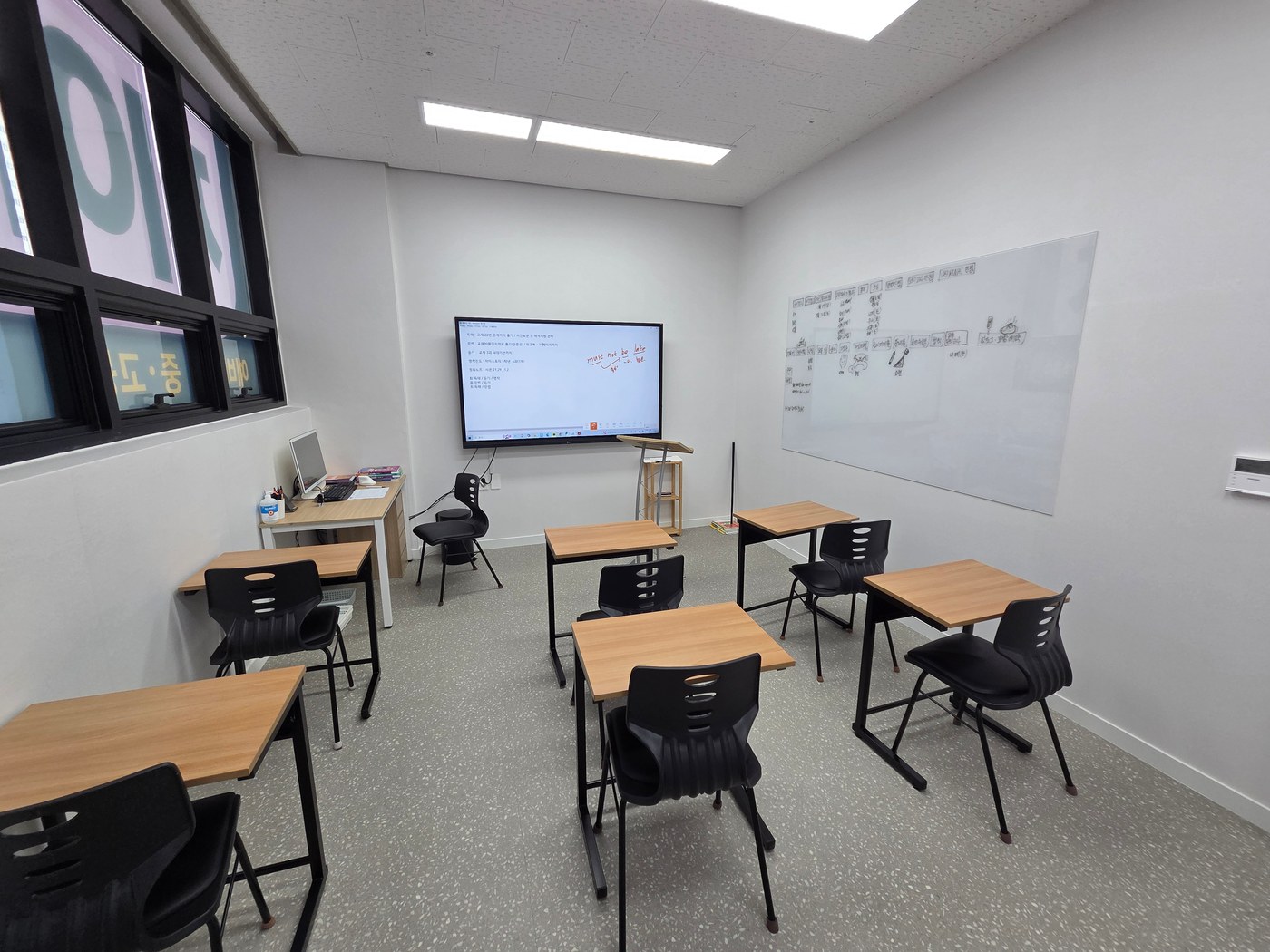
Viewing a screen from an empty room's center differs from sitting at the rear or edge. Check actual teaching screens and writing sizes from every position. If windows or lights reflect on screens, adjust lighting and screening as well as furniture orientation.
Check remaining work surface with notebooks, textbooks, and writing tools spread out. Choose furniture for actual users and materials rather than copying items that look small in photographs. Include space for teachers to approach students so lessons continue naturally after desks are installed.
Teacher routes and student access
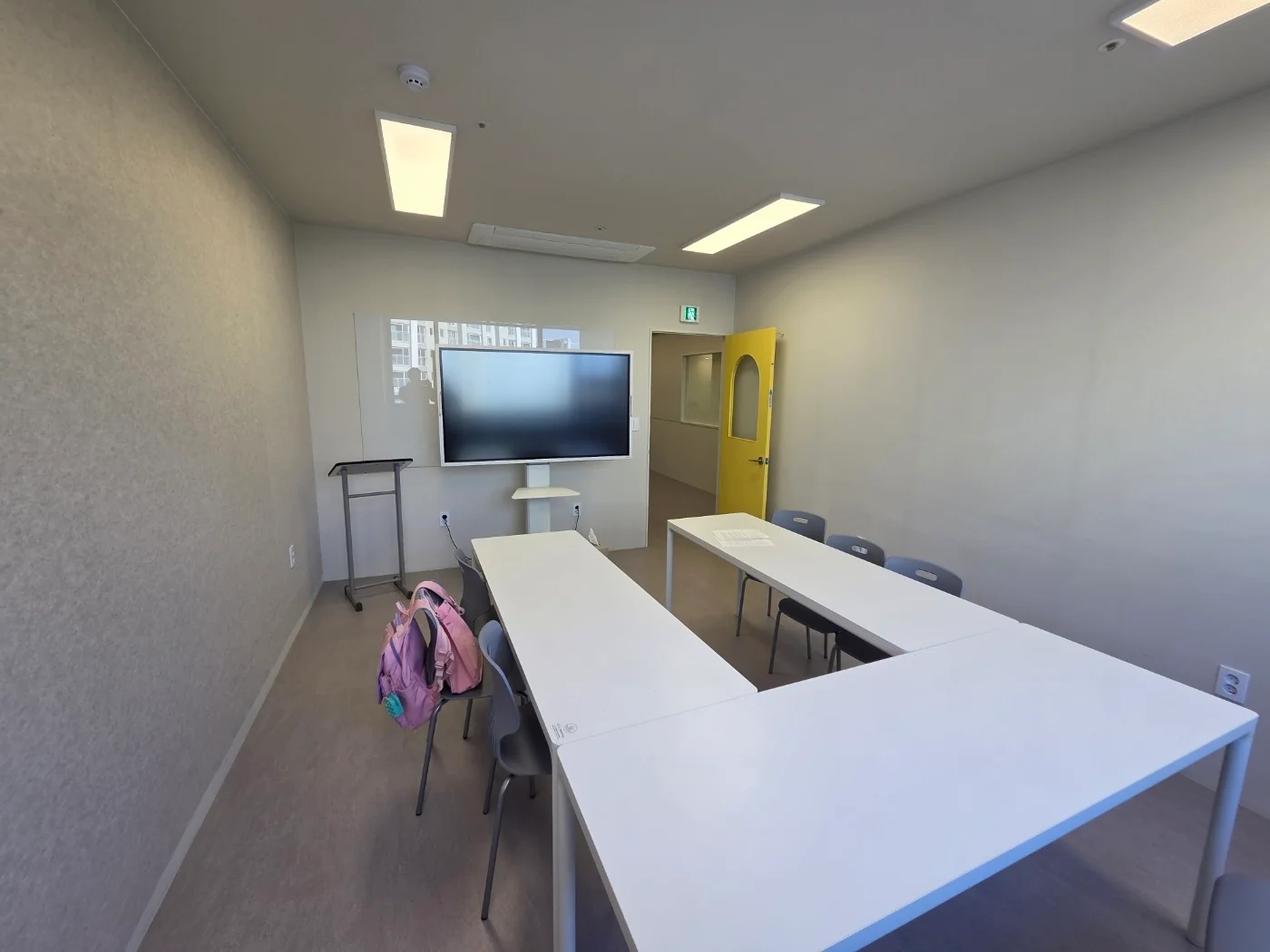
Can students enter or leave while a teacher helps someone? With only a single aisle, a slightly pulled-out chair can obstruct movement. Check desk corners near door swings and whether entering students cross the screen view.
Dedicated bag and mobile teaching-tool storage changes circulation during lessons. If activities require furniture moves, establish reset positions and storage for unused items. Mobility alone does not guarantee convenience: test whether the responsible person can change layouts within the available time.
What only a real desk-and-chair trial reveals
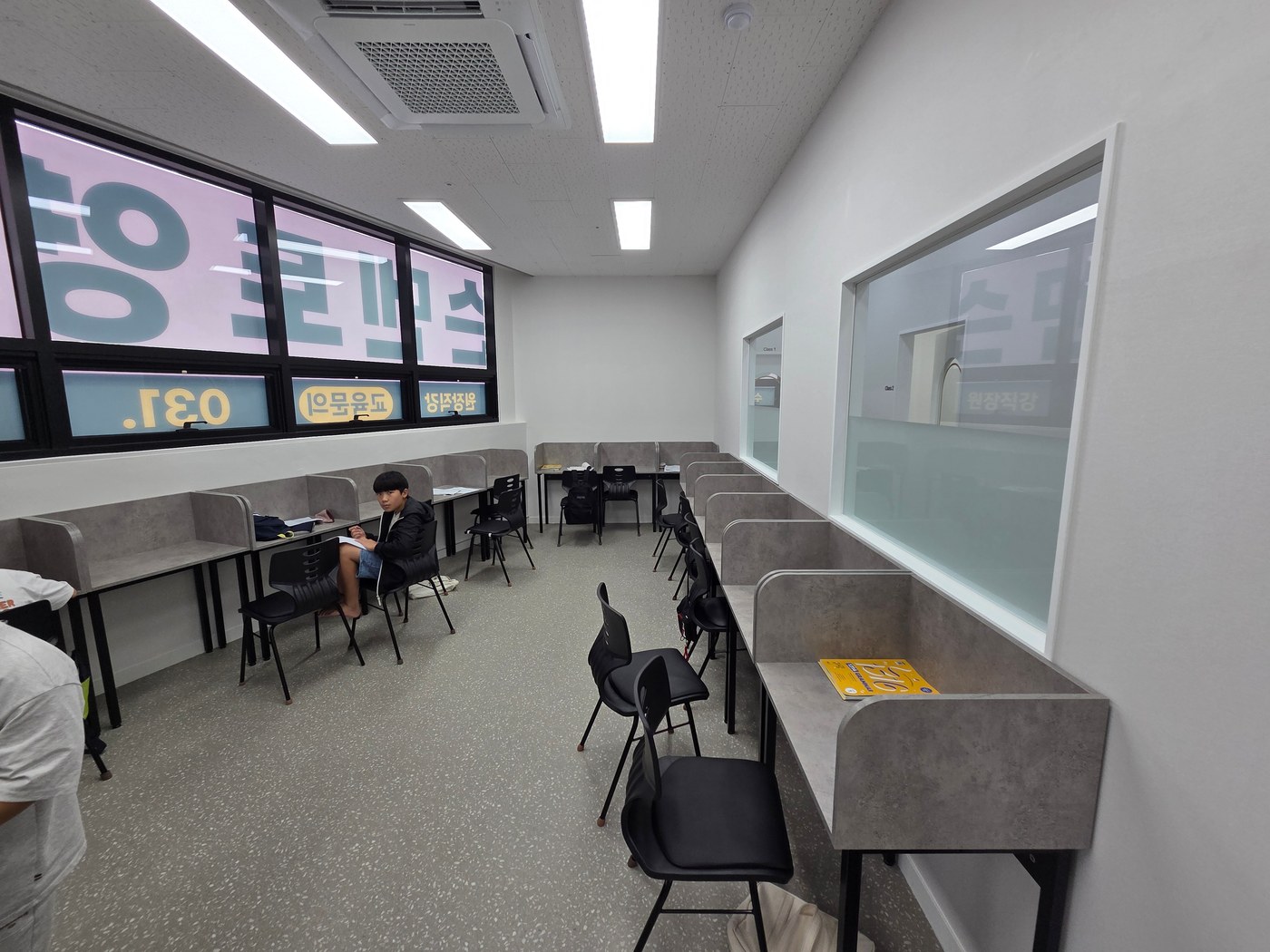
If possible, test a representative desk and chair for seat height and open-book space. Items fitting on plan may still conflict with elbows, bags, and chair movement. Briefly rehearse screen use, teacher explanation, and student questions to identify specific changes.
Record teaching methods and furniture requirements during design, confirming permitted occupancy and facility conditions separately with the relevant authority. Layout does not automatically guarantee learning outcomes. Reducing lesson interruptions caused by sightlines and circulation is a clear planning objective.
What to check at this stage
- Screen views from the rearmost and side seats
- Space for textbooks and notebooks together
- Teacher approach routes and teaching-tool storage
Ask us about your interior project
We can discuss a quote and design suited to the space you are planning.
Request a free consultation