Office relocation fit-outs: checks before taking existing furniture
Moving desks and cabinets into a new office requires more than quantities. Learn how to organize furniture dimensions and condition, new positions, delivery routes, and moving costs in sequence.

Before you begin
- Record dimensions, accessories, and dismantling options for each retained item, linked to its position on the new plan.
- Check the actual delivery route from elevator to entrance as well as the final furniture position.
- Even furniture without a purchase cost may need dismantling, transport, and reassembly; distinguish these when comparing estimates.
A furniture inventory goes beyond desk quantities
During an office move, discarding sound furniture feels wasteful, yet taking everything raises questions about fit. Rather than completing the new plan and squeezing old pieces into leftover space, identify reuse candidates first and provide them as design input. Go beyond desk counts: distinguish dimensions even for similar-looking items and list their shared components.
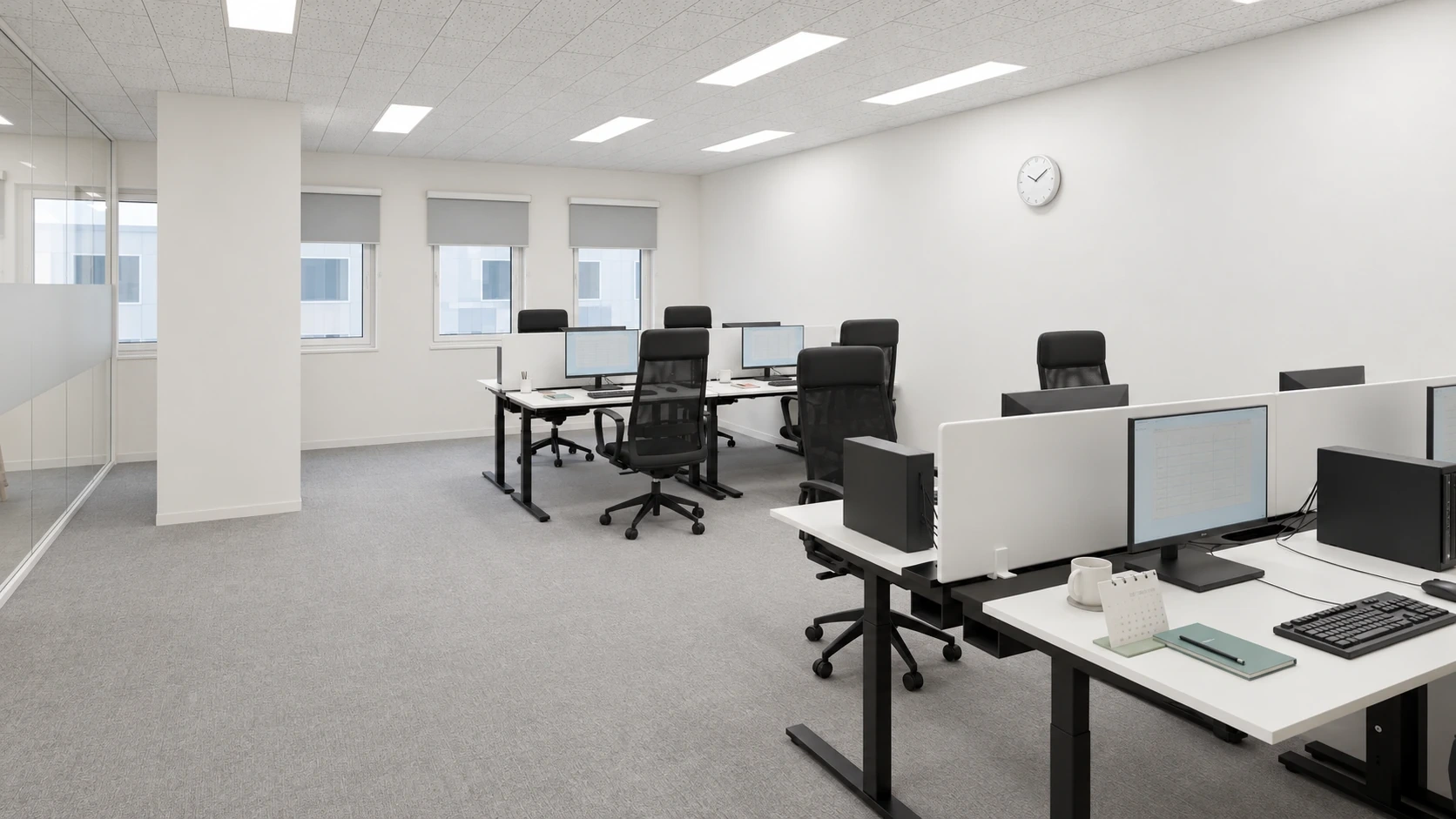
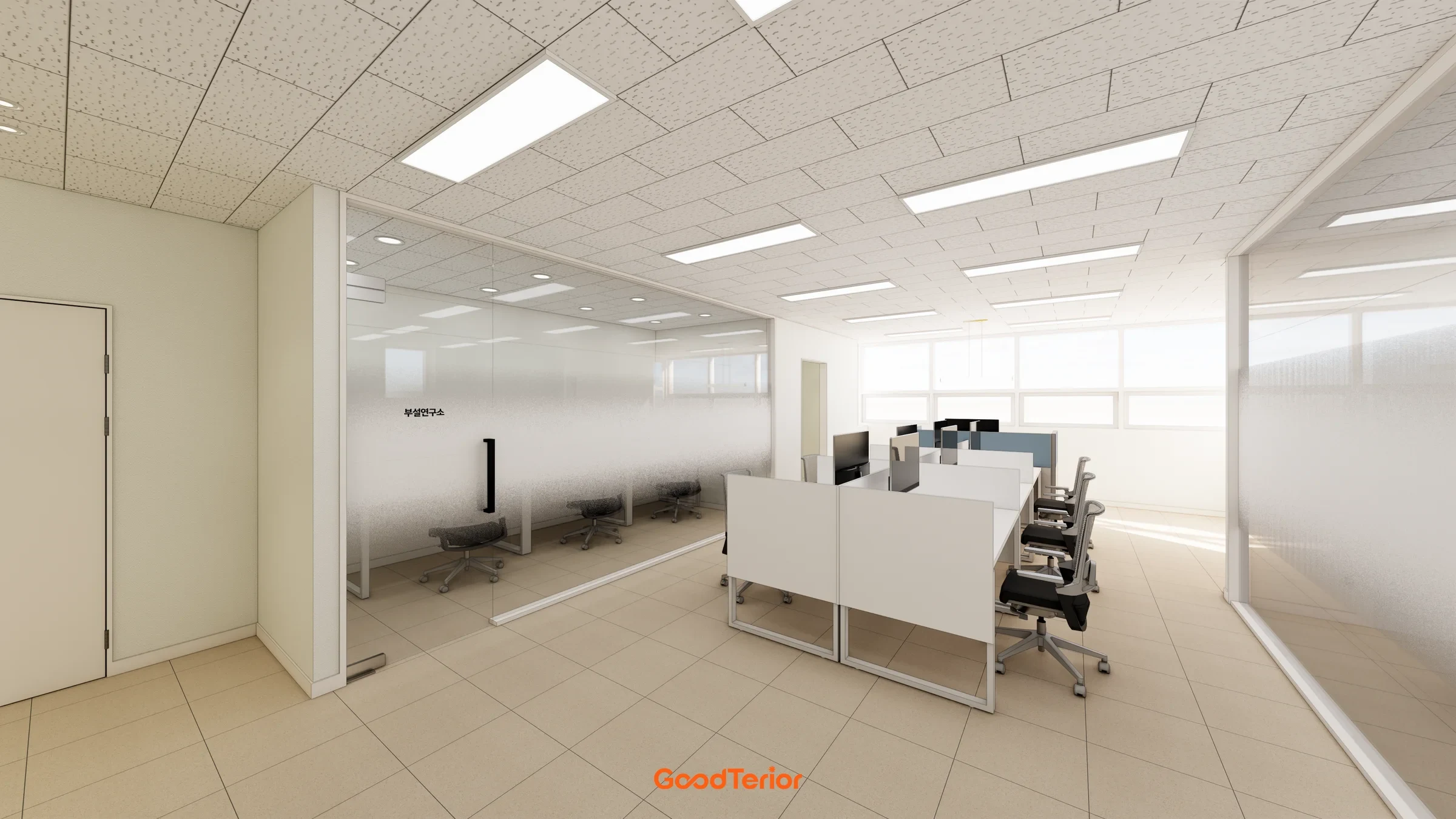
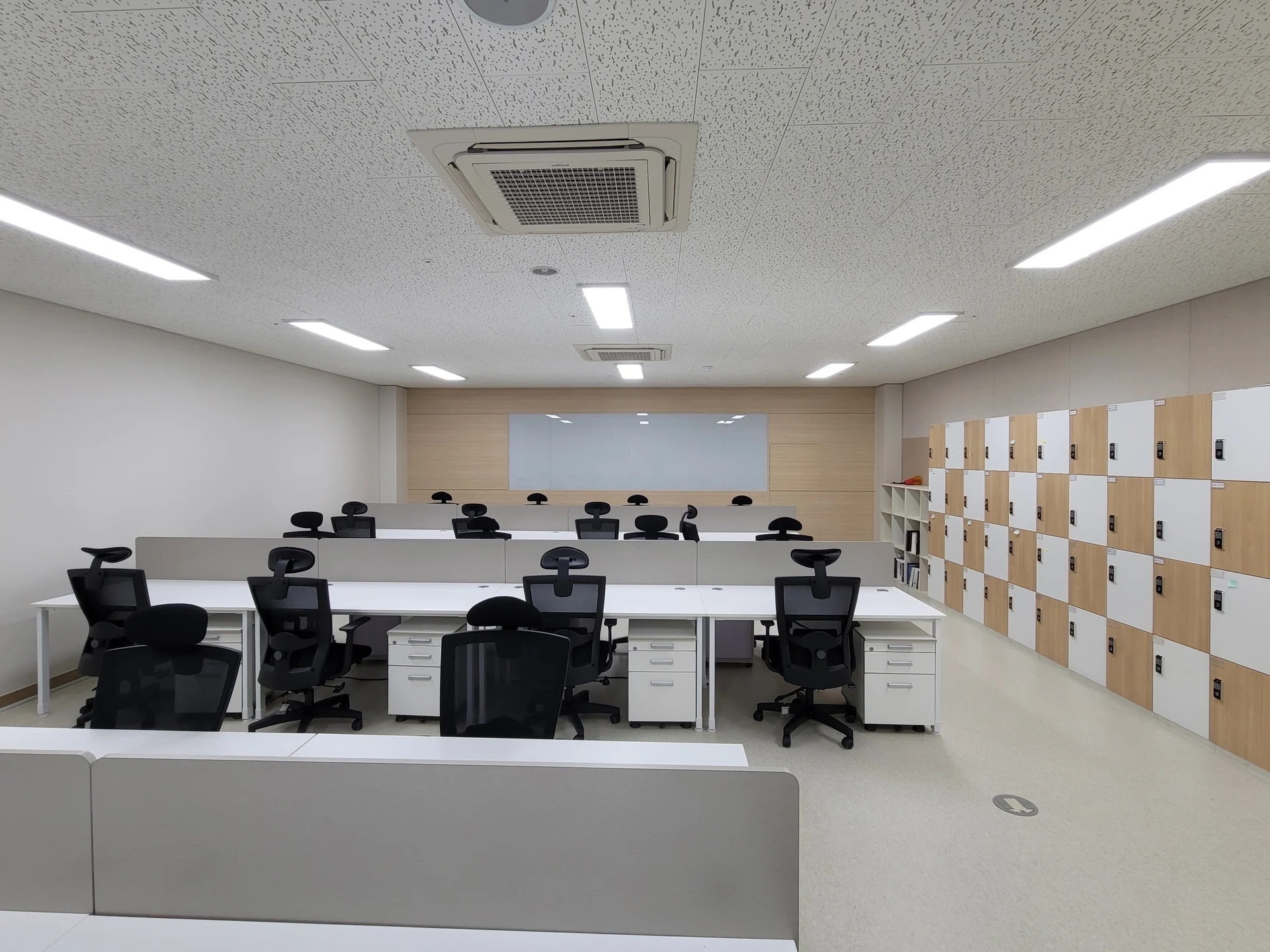
The photo shows workstations with desk screens and computers. Desktop width and depth alone do not resolve such layouts. Recording mobile drawer positions, screen fixings, monitor stands, and cable management parts helps distinguish what can stay from what needs changing. The photo illustrates components, not the actual purchasing or relocation history of this furniture.
Number each item and link front, side, product label, and connection photos to the inventory. Measure dimensions or compare the specific model's documentation instead of inferring them from a product name. For example, note whether desk A keeps its top and legs but receives a new screen, or cabinet B retains all shelves and keys. For unidentified models, leave dismantling and reassembly feasibility for the mover to inspect in person.
Current use does not establish suitability after moving. Record wobbling parts, damaged corners, and drawers that do not close properly, distinguishing repair before reuse from use as-is. A functional item need not perfectly match new furniture colors and could move to another room or shared space. Conversely, even furniture in good condition may be excluded if it no longer suits the new working arrangements.
Check final positions and delivery routes separately
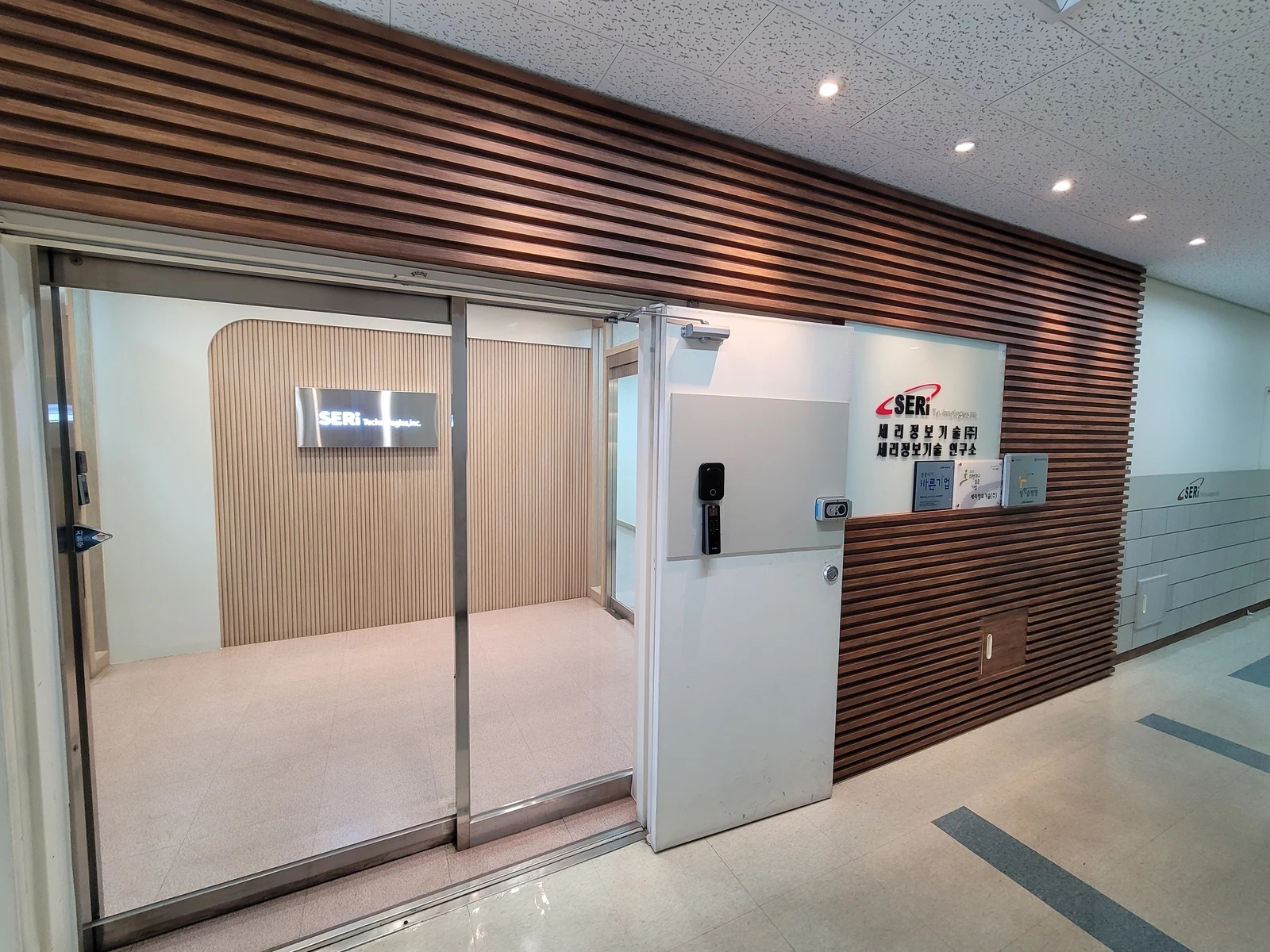
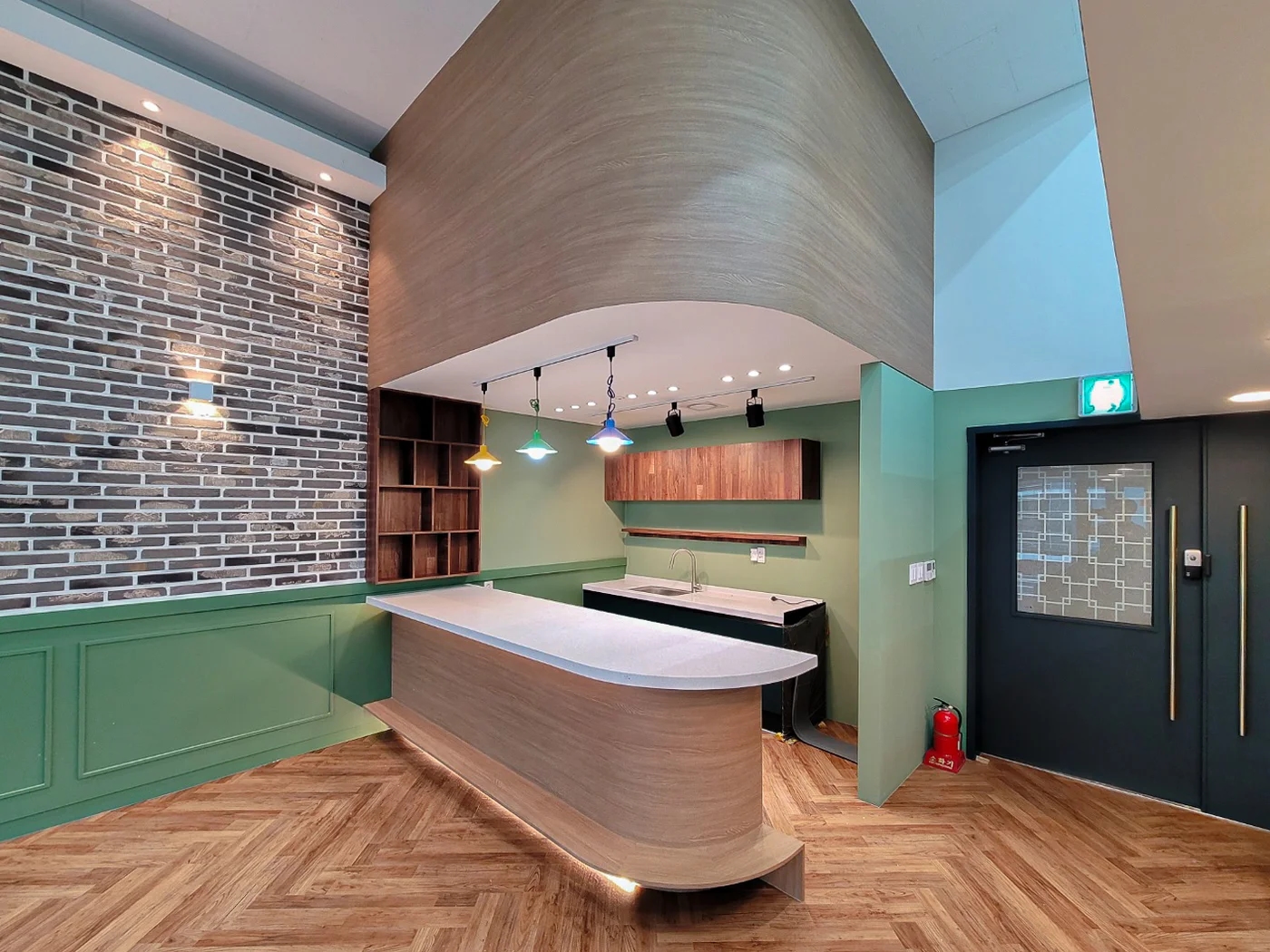
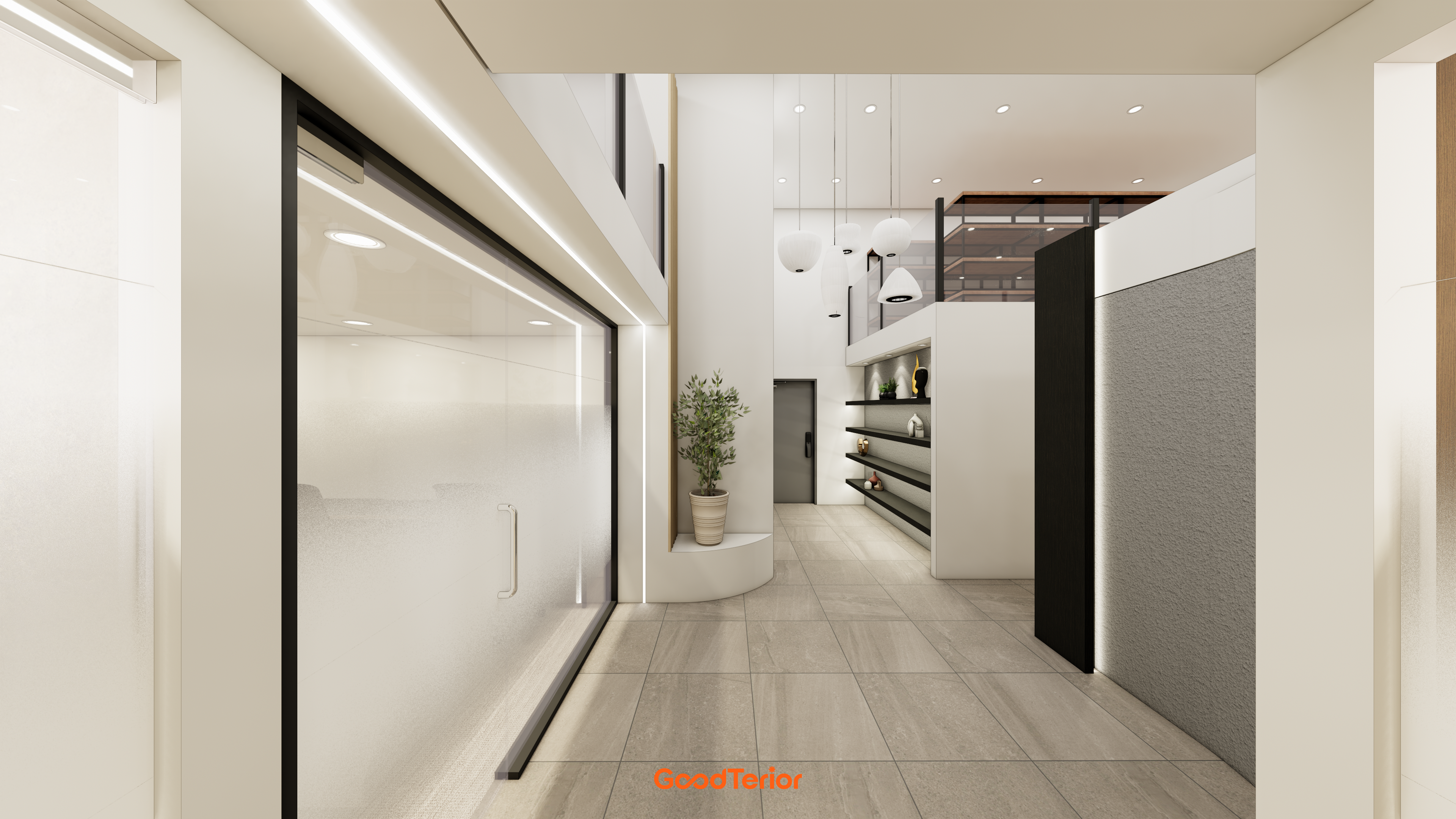
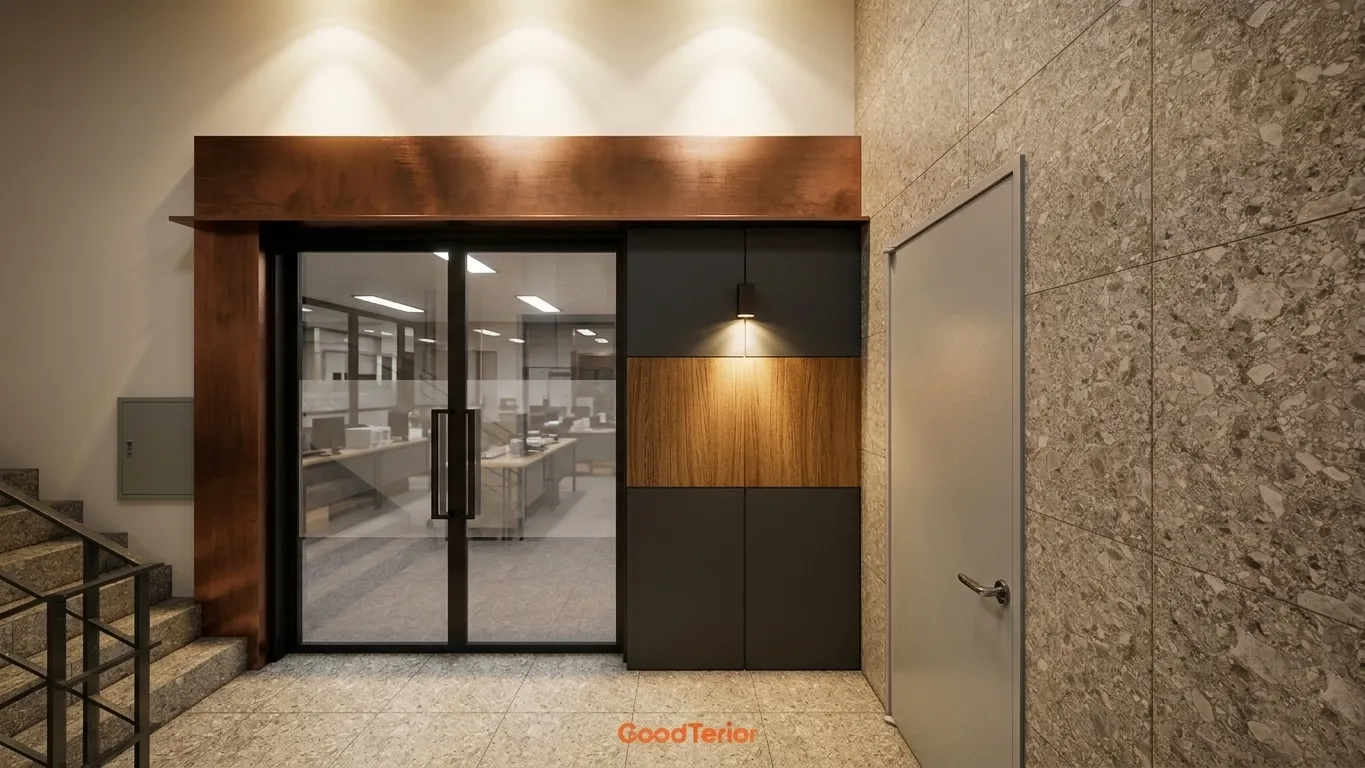
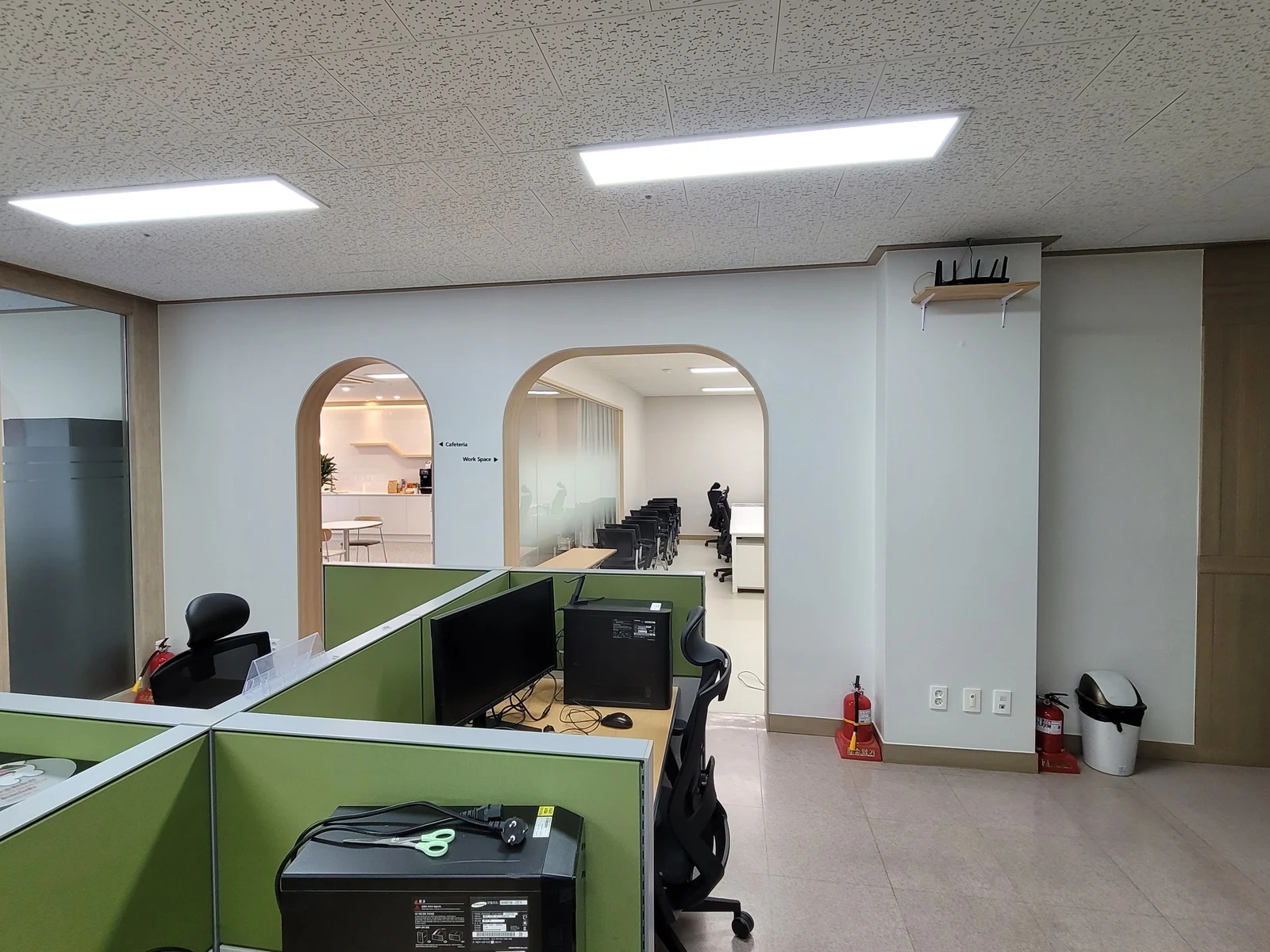
Where an entrance requires turning after passing through the office door, as pictured, fitting furniture inside the room does not establish that it can be delivered. Check the actual route for maneuvering long desktops or large cabinets. Use the photo to identify positions for the mover's site inspection, not to determine doorway widths or clearance.
Record the route from the vehicle unloading point onward: building entrance, elevator doorway and interior, floor corridor, office entrance, and internal doors. Measure usable clearance with doors open and note handles and wall projections rather than only visible frame dimensions. Confirm elevator schedules, reservations, and common-area protection directly with each building's management.
Do not plan around forcibly tilting large furniture or improvising dismantling on site. Confirm transport methods with the manufacturer or mover, and record the component units if dismantling is possible. For difficult items, compare alternative positions or replacing only that piece. Discovering delivery problems after finalizing drawings may require revising related furniture and room plans.
Also check the furniture after placement. Mark whether open cabinet doors hit desks and where power and data connections fall relative to retained desks. Provide the inventory before electrical and data positions are fixed around undecided desk sizes. Furniture numbers on the plan also help prevent similar items going into the wrong rooms on moving day.
Include transport and reinstallation in reuse estimates
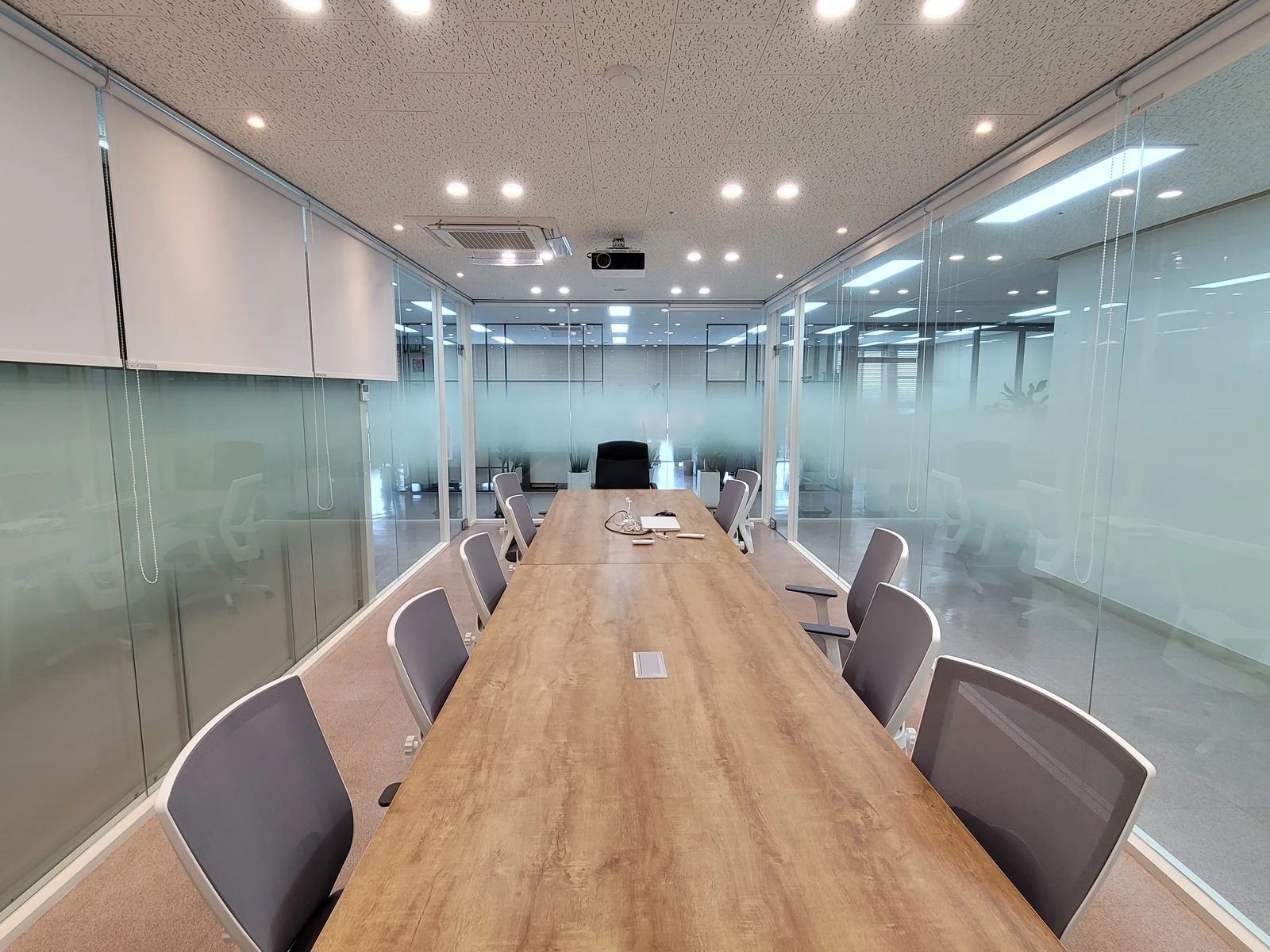
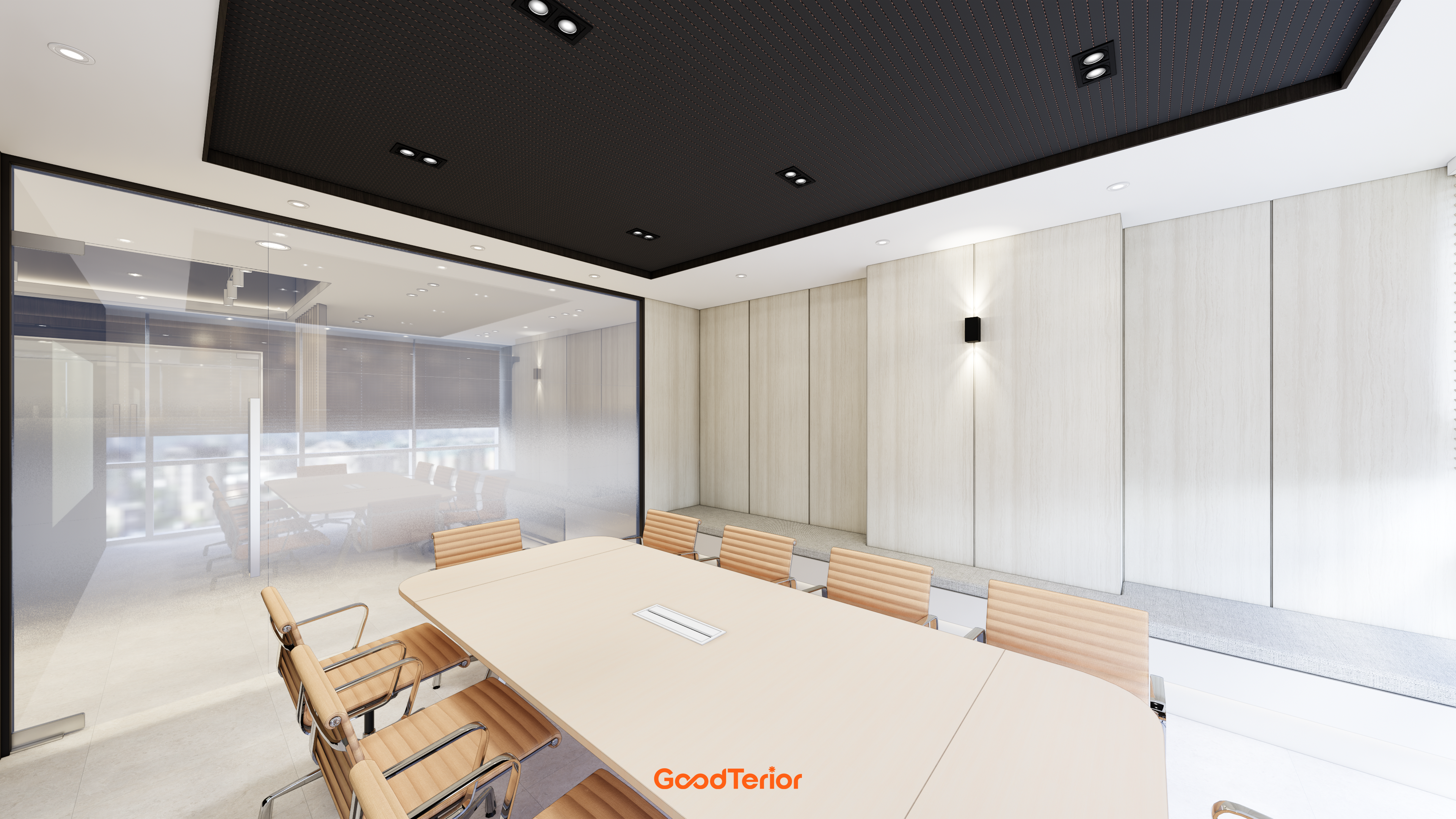
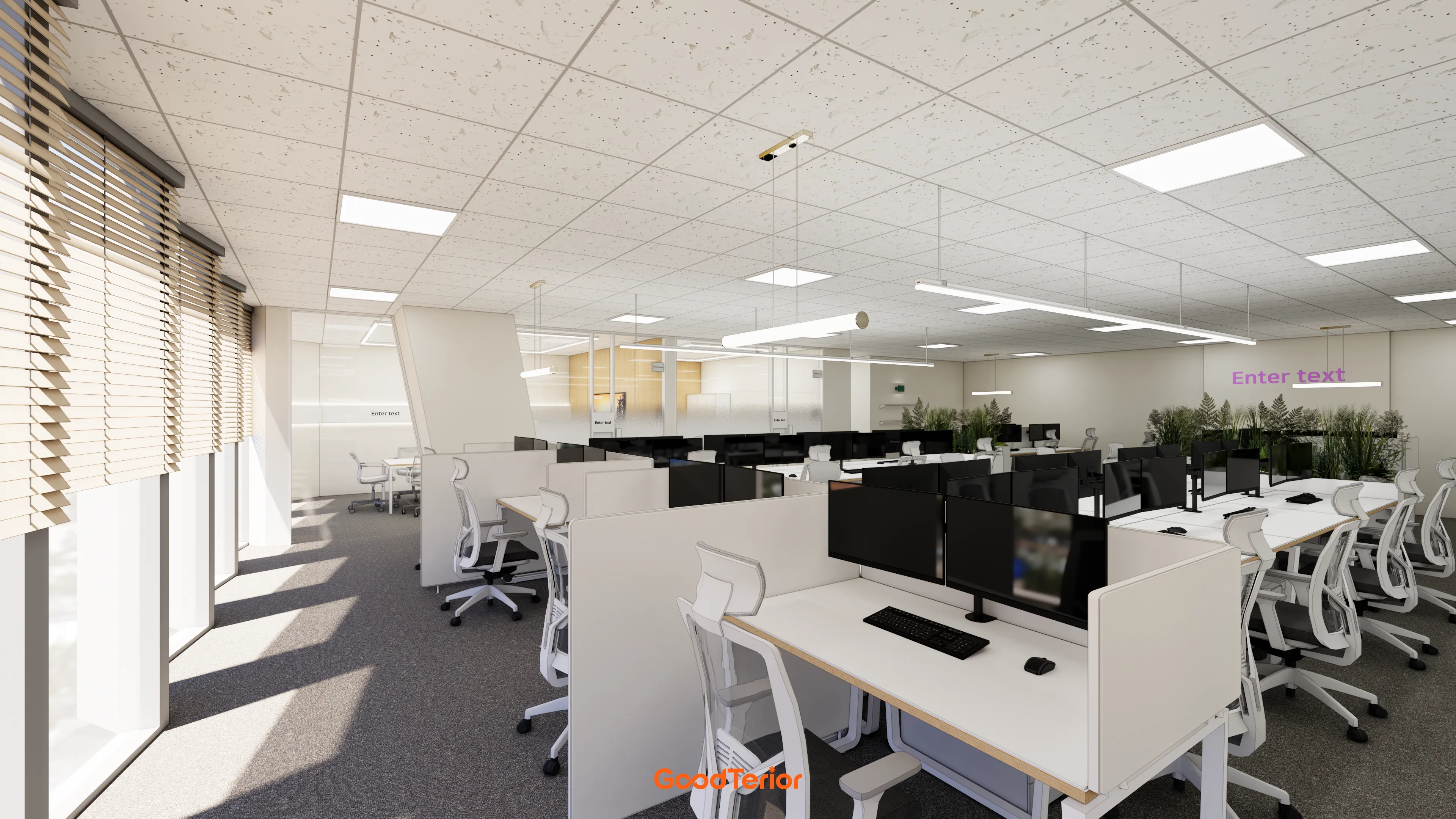
Consider a meeting room with a long table and several chairs as pictured. Avoiding a new table purchase does not remove the work of moving it. Checks vary with top and leg separation, connecting parts, cable handling, and adjustment after reinstallation. The photo cannot establish how many sections the table dismantles into; inspect the item and its documentation.
Fursys's integrated office services guide lists furniture dismantling and reassembly, rearrangement, and unwanted furniture disposal as separate relocation activities. This is that company's service description, not a promise to move every manufacturer's products on identical terms. Confirm coverage for your models, condition, and work location, then compare the estimate's specific inclusions.
Comparisons need not be limited to reusing everything or buying everything new. Mix by item, such as keeping work desks and chairs while replacing cabinets that do not fit new rooms. For each option, include the same scope of purchases, dismantling, packing, transport, reassembly, repairs, and disposal. Without actual estimates, do not calculate assumed percentage savings or arbitrarily distribute moving costs to fit remaining funds.
The schedule should show both the last use date in the old office and the earliest delivery date in the new one. The contractor and mover should coordinate delivery order to avoid bringing items in before finishes and site cleanup are complete and then moving them again. Bundle keys and connectors with furniture numbers, then check quantities, condition, and plan positions after installation. Choosing retained furniture helps define new space dimensions and construction scope as well as the moving load.
Ask us about your interior project
We can discuss a quote and design suited to the space you are planning.
Request a free consultation