Commercial Wallpaper Installation: Comparing Vinyl-Coated and Paper Quotations
Compare exact wallpaper products, care instructions and covered surfaces. Review samples, patterns, substrate repairs, lining, ceilings and reinstatement when assessing commercial wallpaper quotations.

Before you begin
- Compare exact product codes and care instructions alongside material categories.
- Separate floor area from wallpapered walls and ceilings.
- Align repairs, lining, furniture movement and reinstatement in quotations.
Material types, physical samples and care
When planning wallpaper for commercial interiors, it is tempting to start by asking whether vinyl-coated or paper wallpaper is better. Walls seen closely at reception, hidden behind desks or beside a busy corridor may need different surfaces and care arrangements. Even within one type, product selection, preparation and whether ceilings are included can make quotations incomparable. Identify the surfaces, then align samples and actual work scope.
The Korean term silk wallpaper should not be read as silk fabric. Seoul Wallpaper’s wallpaper product introduction in the G-FAIR online exhibition describes it as paper coated with PVC and identifies paper wallpaper as paper. This is a broad material classification, not evidence that all products have identical thickness, texture or care performance. Record the manufacturer, collection and exact product code in quotations.
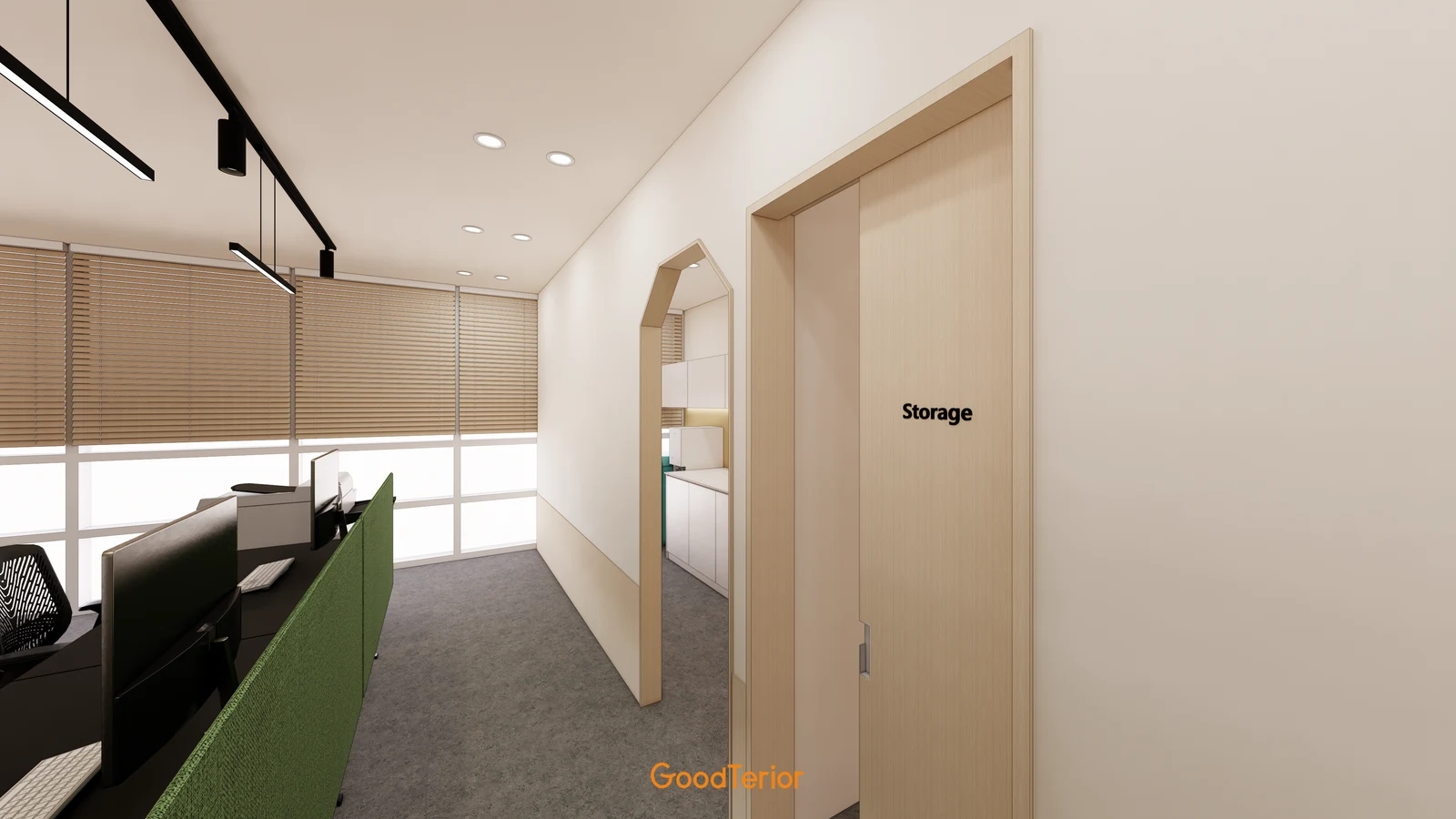
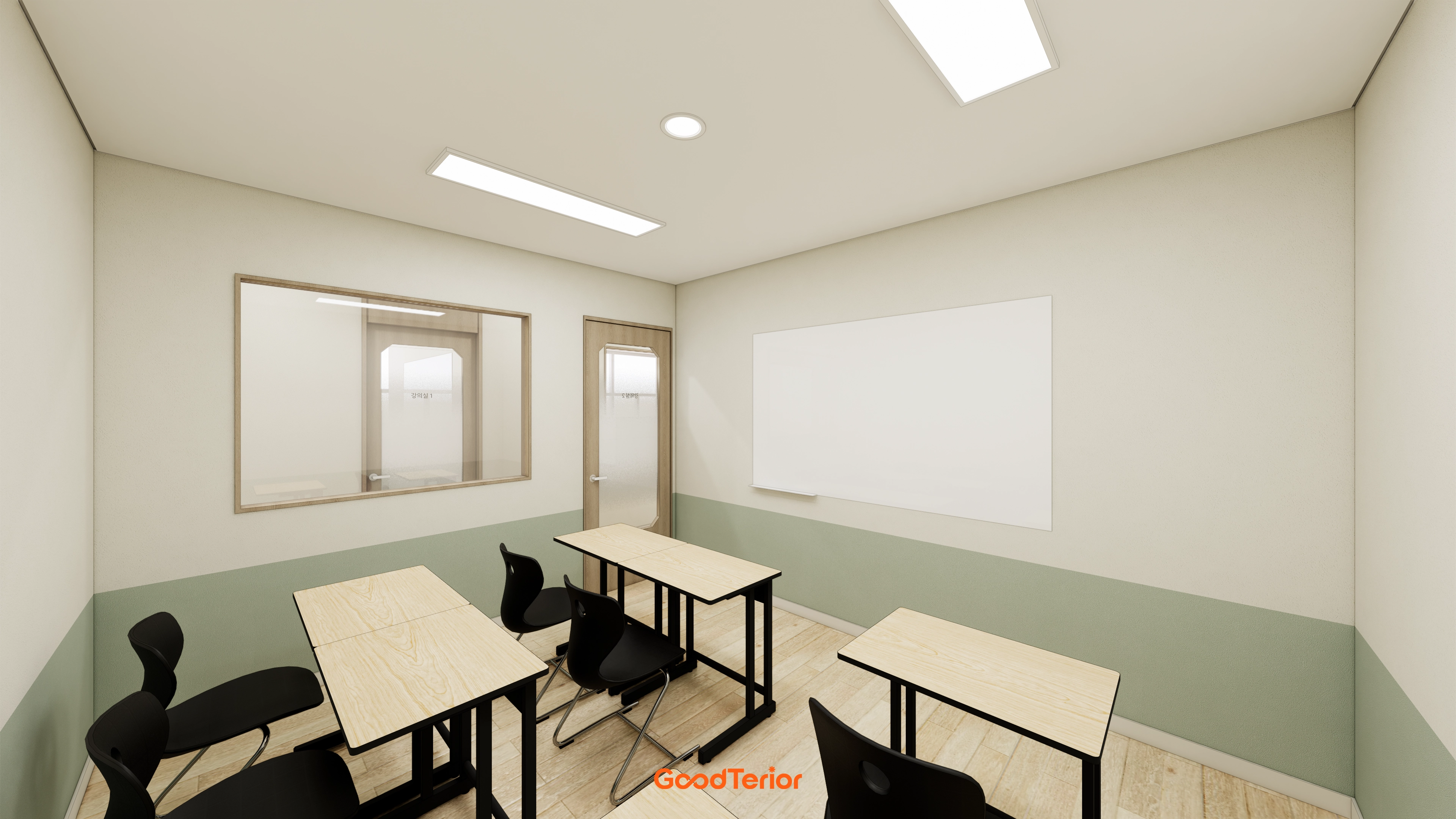
The Gangseo piano-academy design on the cover repeats a fine surface pattern across pale walls. It illustrates the appearance of a continuous pattern but cannot identify a vinyl-coated or paper product. Consider how a texture that looks quiet on a small sample will appear across a wall. For patterned products, compare the complete repeat, installation direction and the point where it meets a doorway using the sample book and elevation drawing.
Stand both candidate samples beside each other at the same wall. Products described as white can appear different beside furniture and door trim in their undertone and reflection. KCC Shinhan Wallcoverings’ Frequently Asked Questions directs customers needing physical confirmation to sample books at nearby interior shops. Send candidate codes in advance and confirm that the actual samples can be viewed.
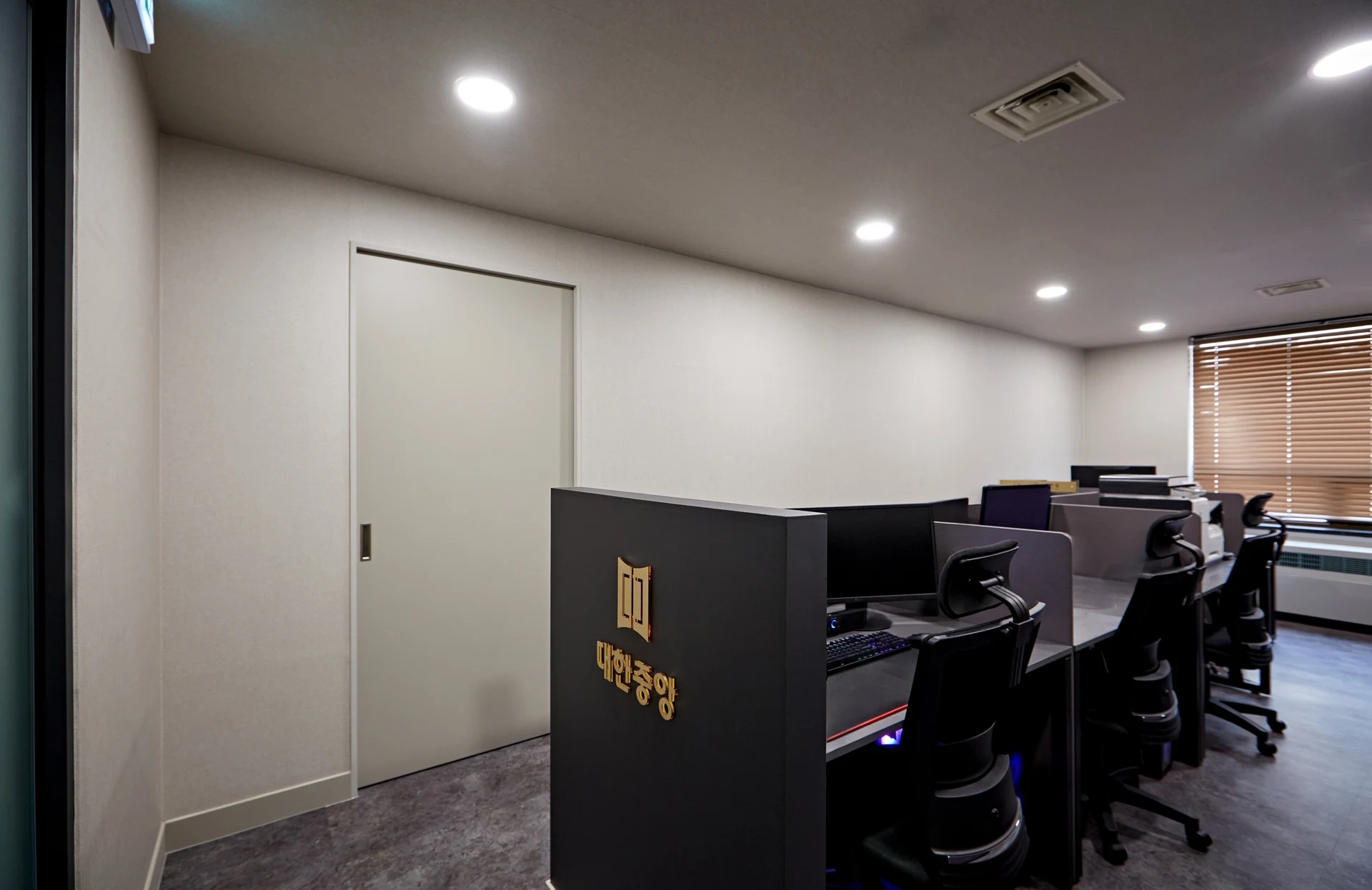
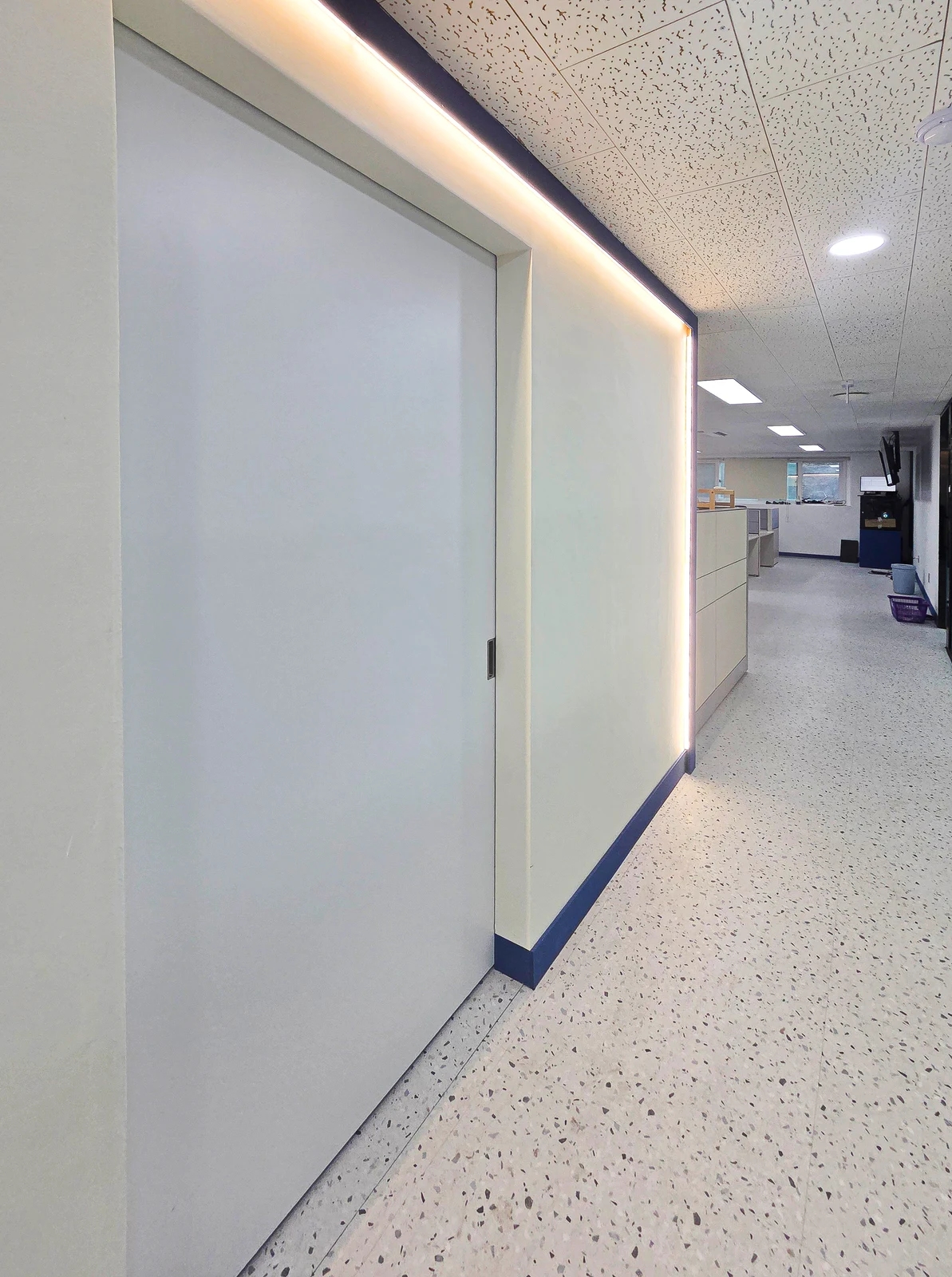
The first section photograph shows a pale office wall beside a sliding door and a continuous light. The flat wall, door reveal and skirting create separate boundaries. For wallpapering a comparable wall, mark whether the large face alone or the returns around the door are included. The photograph does not identify the installed finish; it illustrates places to compare samples and decide where the new finish ends.
Compare care instructions by product. Hyundai L&C’s wallpaper precautions in its Product Instructions and Warranty distinguish gently wiping dirt from its vinyl-coated wallpaper with a water-dampened cloth from not using a wet cloth on paper wallpaper. These are that manufacturer’s care instructions, not confirmation of commercial suitability or warranty coverage. Verify the method for the exact product being ordered rather than treating the term silk as permission for repeated washing.
For frequently touched walls, agree on likely soiling and its management with the operator and installer. Before extending one wallpaper into an area where water is used frequently, confirm suitability for that location. A different finish on that face may be an alternative. If items will often be attached and removed, include the fixing method and replacement scope in the decision instead of choosing on material price alone.
Quotations covering substrate repairs, lining and wall areas
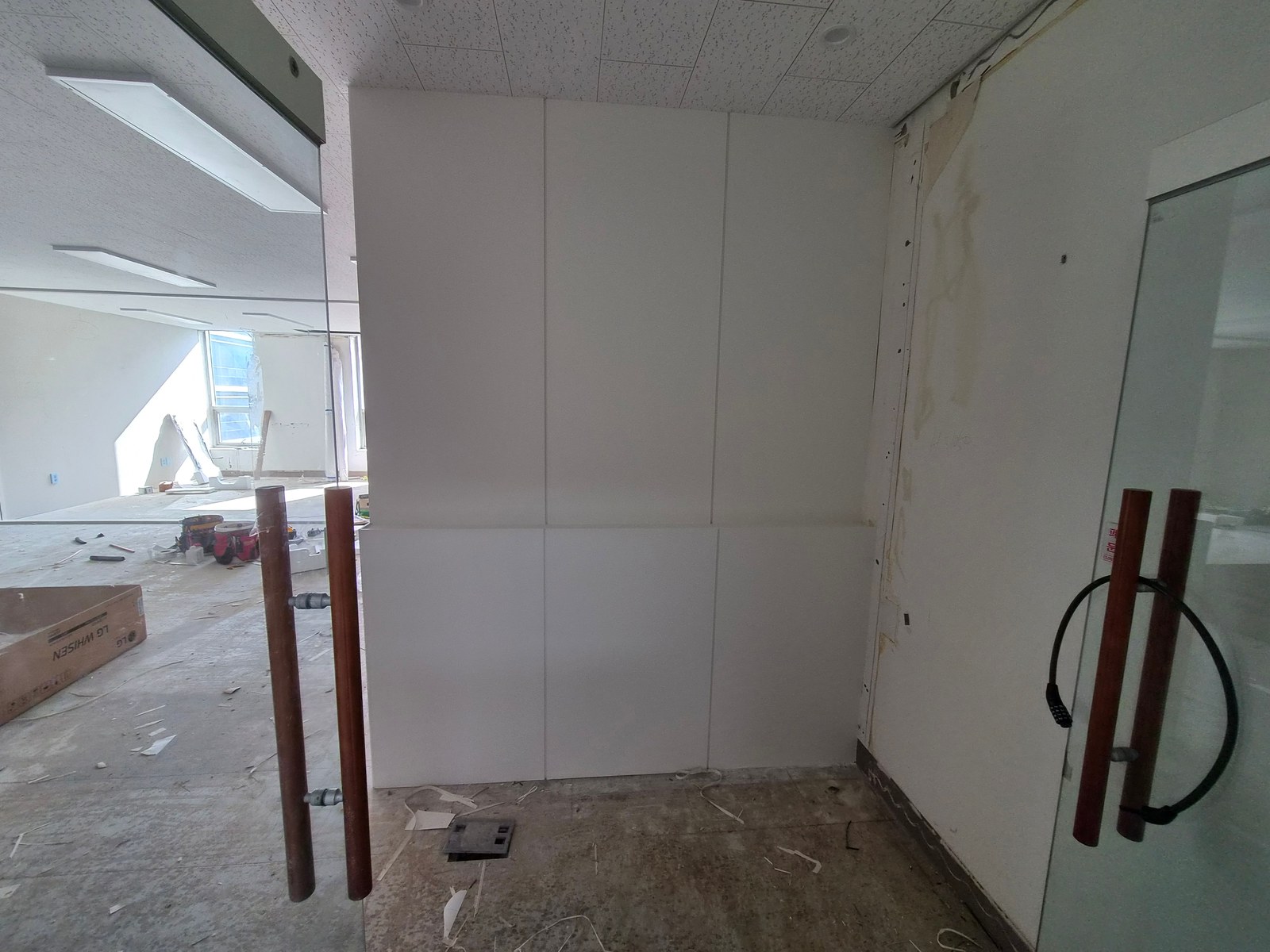
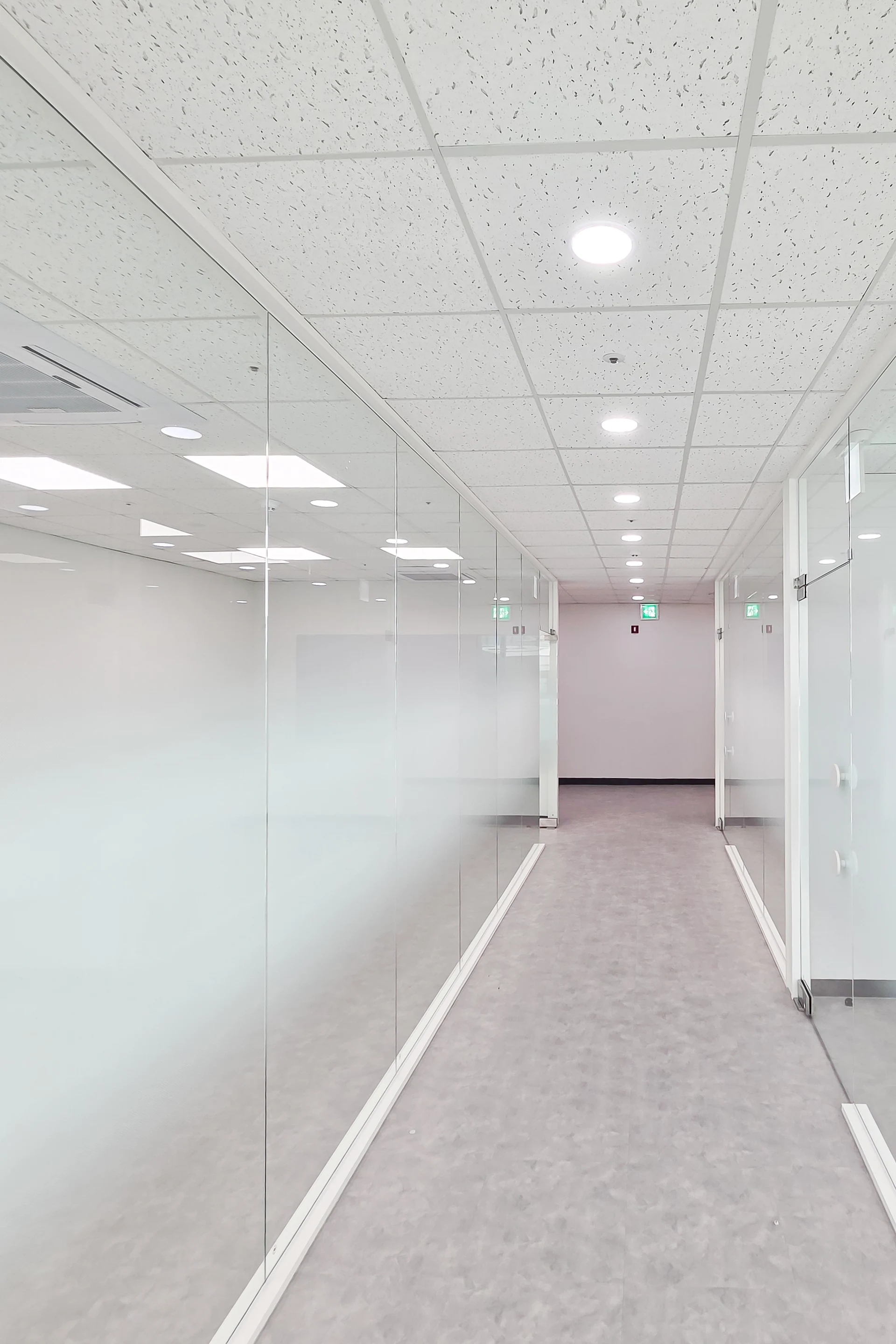
The second section photograph shows visible board joints and a rough adjacent surface in a newly constructed wall. It is not a completed wallpaper finish. Do not interpret those lines as wallpaper seams or assume a new wall is immediately ready to cover. Separate existing-wall refurbishment from finishing new partitions and ask the installer to explain the required condition of each substrate.
Keep retaining or removing existing wallpaper as a site assessment item. Mark lifting areas, dents and holes left by removed furniture, and separate necessary preparation in the quotation. For stains or damp areas, identify who will investigate and address the cause before deciding what to cover. Do not diagnose from photographs; connect the installer’s assessed treatment scope with the subsequent finish.
Lining is preparation before the final wallpaper is applied. If a quotation only says lining included, request the applicable walls, materials and method. The terms vinyl-coated and paper do not prescribe one lining method for every site. Record the proposed repairs and lining against the same surface schedule, based on the wall construction, existing finish and selected product.
Distinguish floor area from the surfaces receiving wallpaper. Record each room’s wall lengths and heights and the treatment of windows, doors, large built-in cabinets, ceilings and bulkhead sides. Include short faces around doors and column returns. Identical floor areas can have different wallpapering surfaces, so do not assign area or cost through an assumed universal multiplier.
When comparing roll quantities, obtain product width, length and pattern-matching requirements. Do not assume a plain candidate and a large repeating pattern need the same quantity. Ask about cutting plans where seams along a long wall or pattern continuity above doors matter. To adjust material cost, compare changing a single wall with changing the product throughout, identifying the actual difference in scope.
Include desks, storage and wall-mounted frames or lights in the work list. Agree who moves and stores items and who disconnects and reinstates electrical fittings. Confirm protection of doors, windows and floors and removal of waste. For an operating business, obtain the periods when each area must be cleared and furniture can return. Set drying and reopening through the installer’s plan for the selected product and site.
Use the same order in both alternatives: product code, surfaces, substrate repairs, lining, ceilings, item movement and reinstatement. Mark what changes between vinyl-coated and paper options before comparing totals. After installation, check colour, pattern, seams and boundaries against approved samples and drawings, recording any remaining repairs. Retain product information, care instructions and the location of spare material for later changes.
Ask us about your interior project
We can discuss a quote and design suited to the space you are planning.
Request a free consultation