Salon belongings storage: separate places for bags and coats
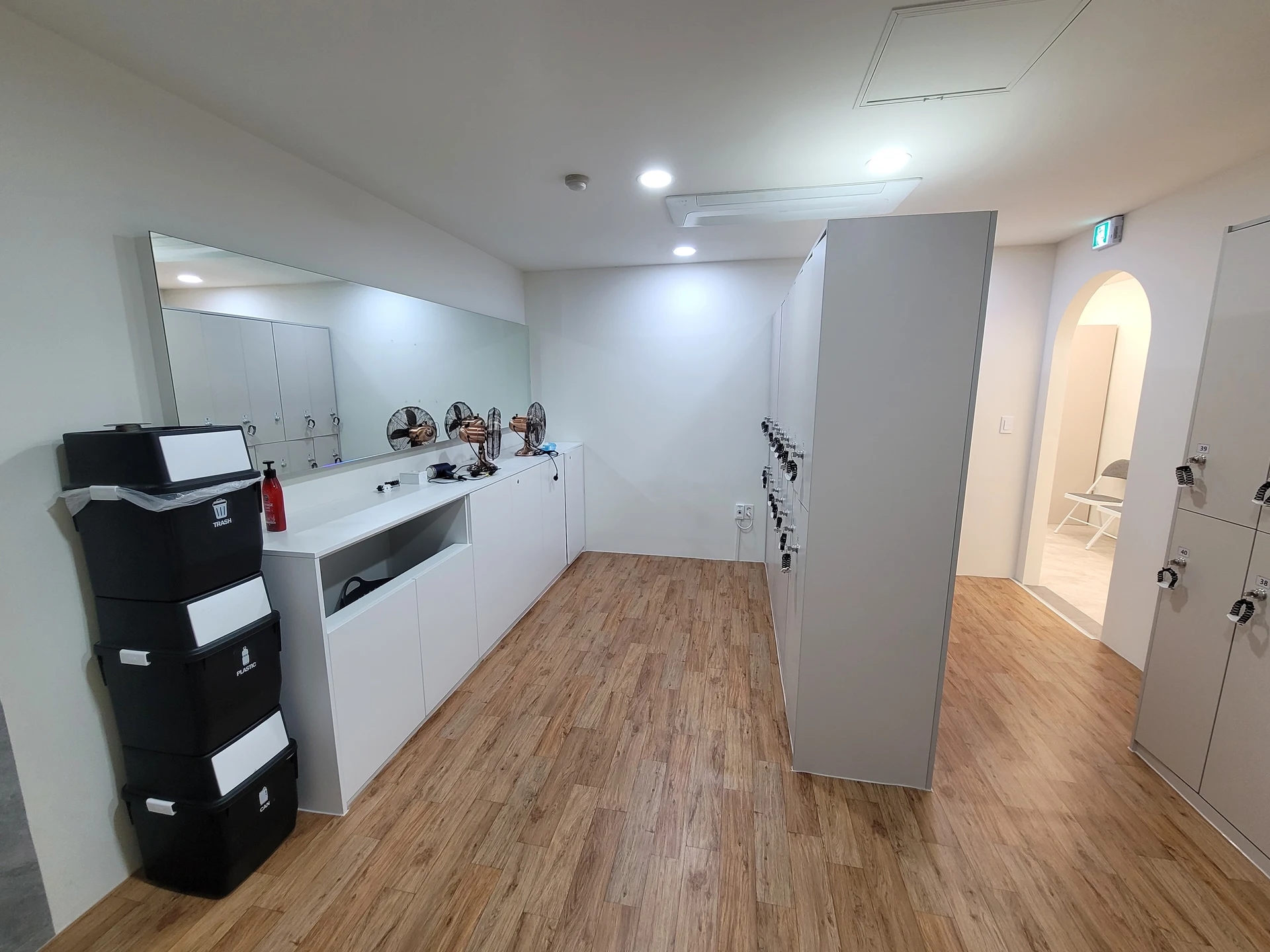
Salon storage takes more than deciding locker counts. Actual salon photos illustrate separating bags and coats, opening lockers beside waiting seats, and the sequence from check-in to collection after treatment.

Before you begin
- Separate bag compartments from coat hanging sections and compare their usable internal dimensions.
- Draw open locker doors and standing users to check overlaps with waiting seats and entrance routes.
- Decide whether customers store items themselves or hand them to staff, linking lock instructions and collection procedures.
Compartments for bags and hanging coats
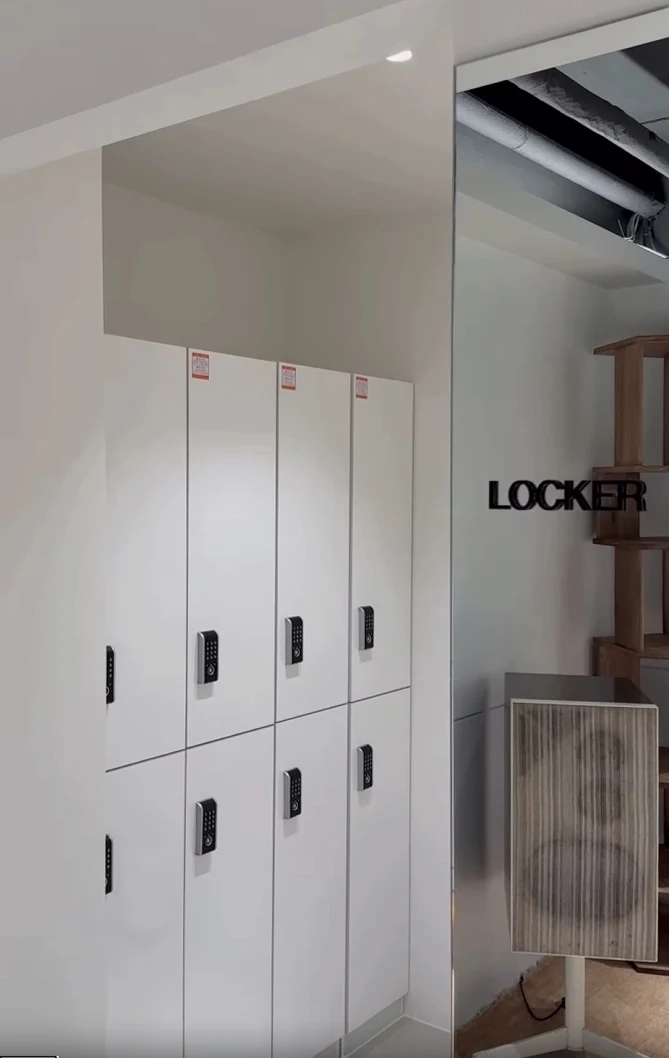
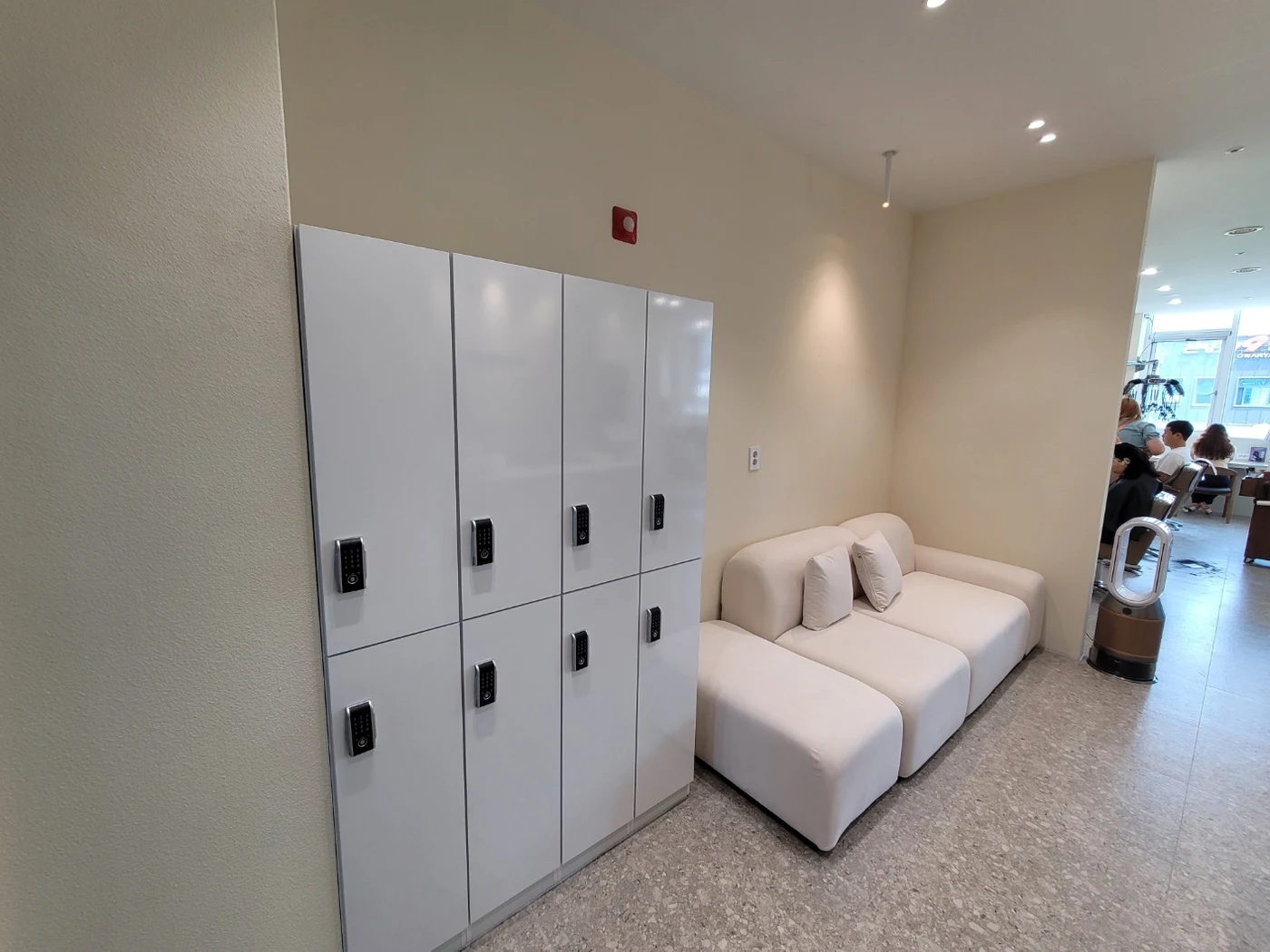
Start by distinguishing the belongings customers bring. Small bags and long coats rarely need identical compartments. The Cheongdam photo shows upper and lower doors with individual locks, but closed doors cannot establish hanging rails inside or which bags fit.
List intended contents in the furniture proposal, including bags, coats, and extra shopping bags. Compare small bags with bulky belongings rather than assuming all customers carry the same items. Separate staff and customer storage. If towels or salon supplies share the cabinet, calculate how many compartments remain available to customers.
Do not assess bag compartments from door widths or external sizes alone. Show clear entry and internal width, height, and depth after accounting for locks, hinges, and shelves. Test representative bags with a sample, including retrieval by the handle. If closing the door requires compressing a bag, compare a differently sized compartment.
Review coat storage with hangers installed. Check shoulders against doors and sides and hems against the base or items below. Compare uniform heights for short and long garments with selected full-height compartments. Describe the range of intended garments to the fabricator instead of treating one length as universal.
Many separate compartments help distinguish customers' belongings but still need a solution for large bags. Mixing tall hanging sections and small bag lockers accommodates varied items but requires clear guidance for each zone. If space is short, define priority contents before shrinking every compartment. Also assign temporary positions for oversized belongings around salon operations.
Choose locking methods separately from cabinet appearance. Decide whether customers or staff operate them and test reading instructions and using the actual product. Confirm code setting and reset, key storage, and malfunction procedures with the manual and supplier. Photographed lock shapes do not establish functions or security performance.
Before fabrication, link each compartment's use, clear dimensions, rails, shelves, and locks on a drawing. Compare standard cabinets using the same criteria if budget requires. For custom work, confirm internal changes appear in the estimate; for ready-made units, check the overall installed group dimensions. A large compartment count does not establish suitability for customer belongings.
Follow the route from handing over belongings to collection
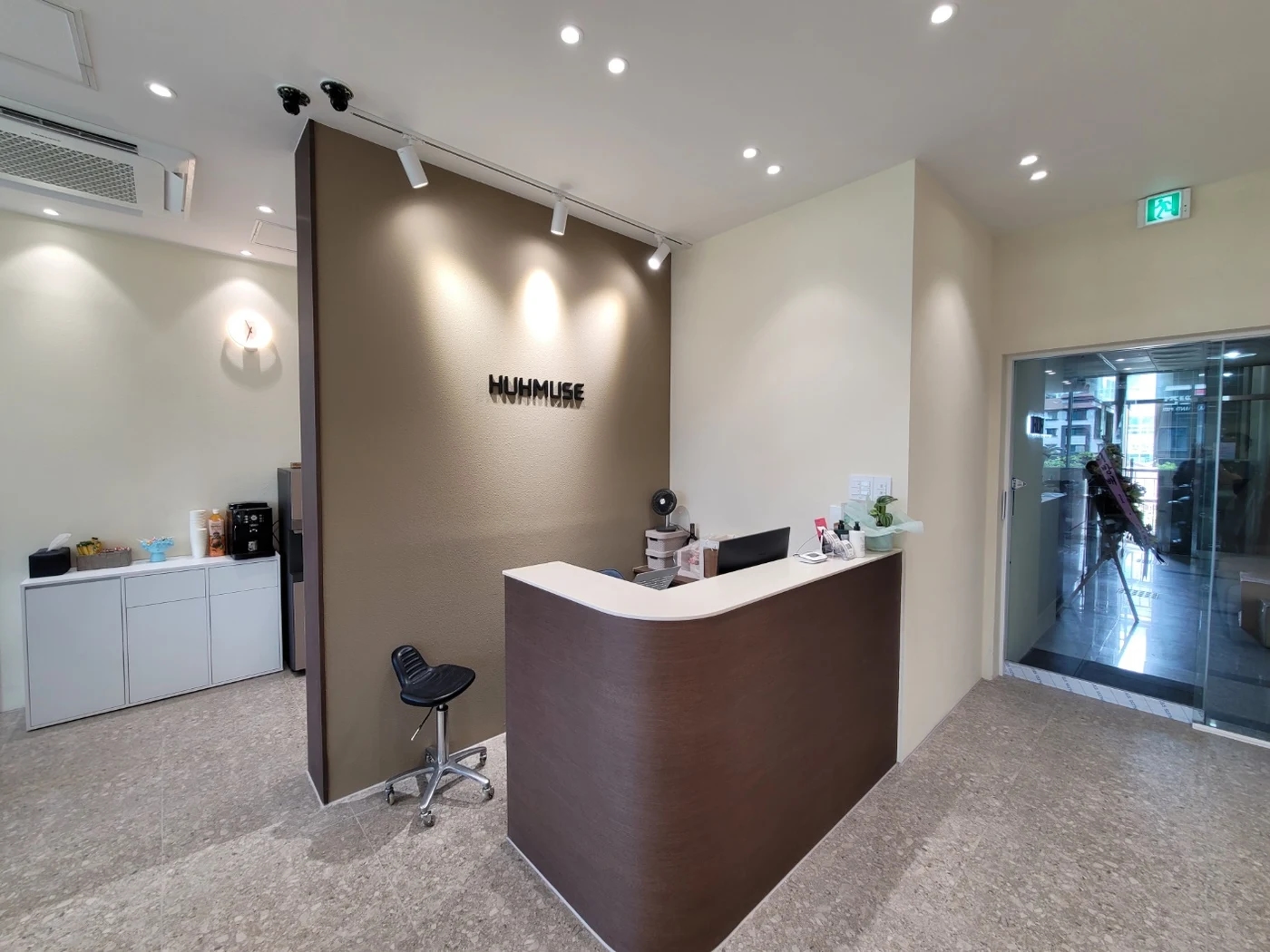
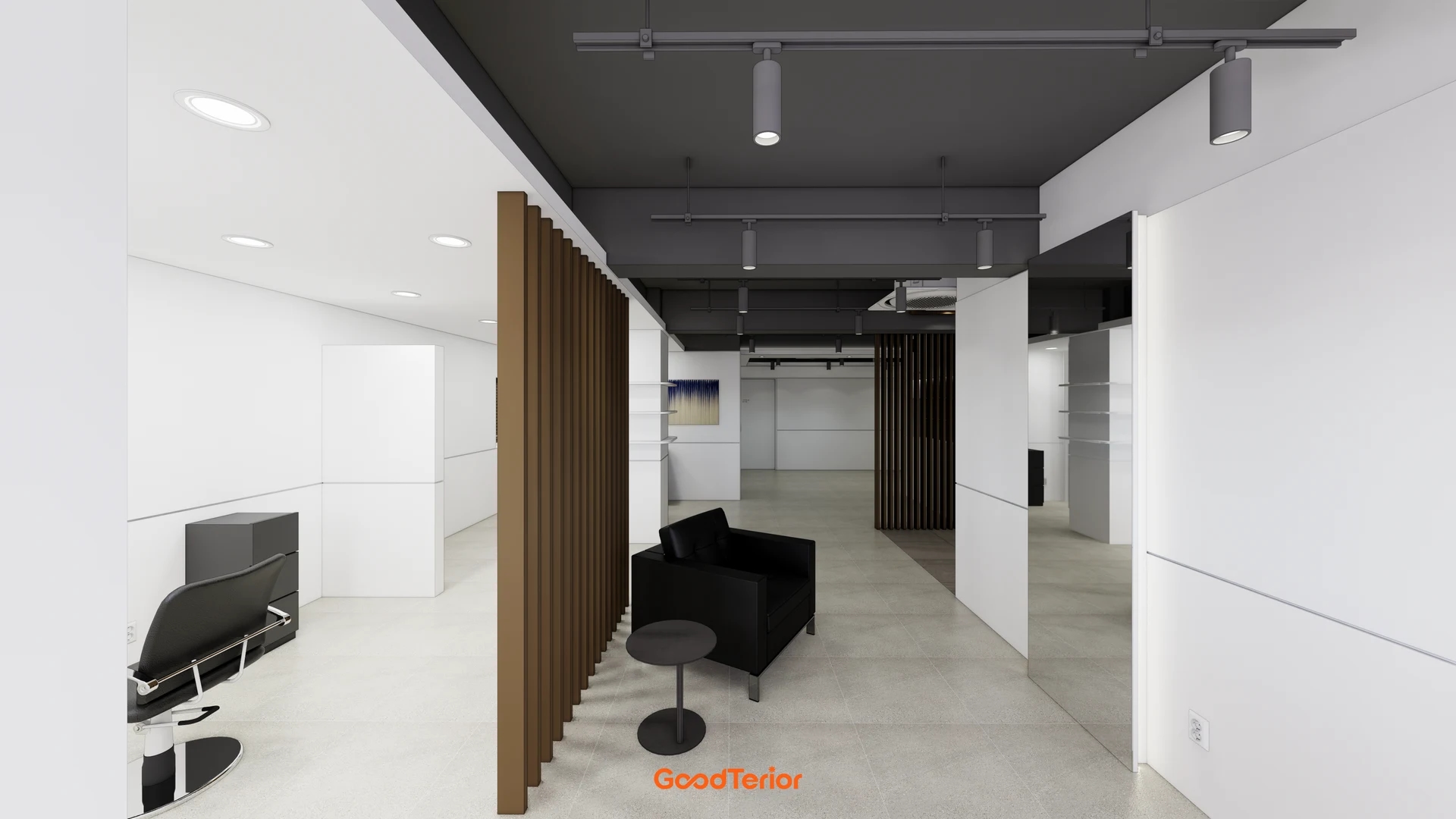
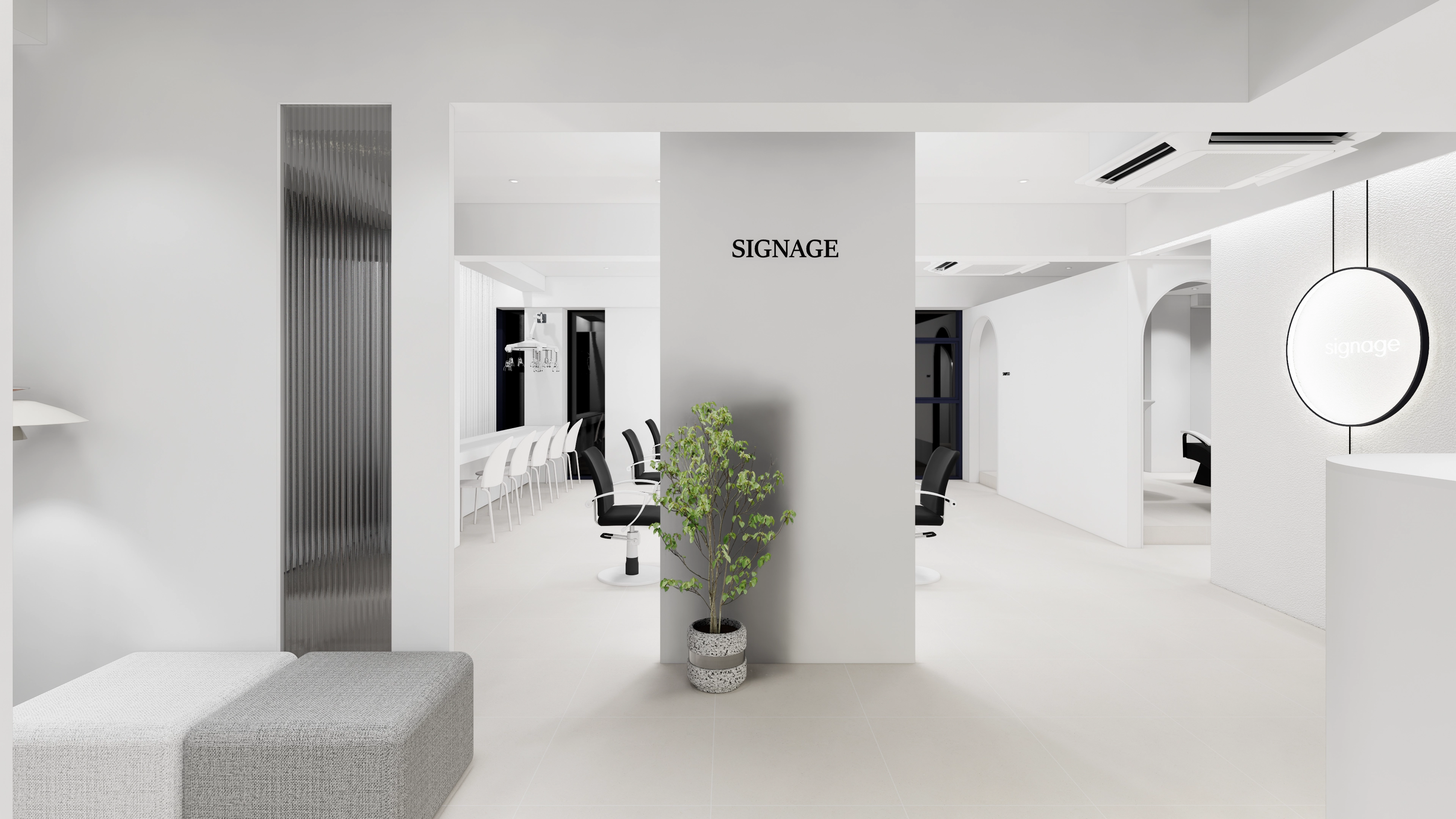
The Anyang photo shows entrance-side reception and a staff seat. Consider how check-in connects to storage guidance. Customers walking to lockers themselves and staff receiving belongings create different counter tasks. The photographed salon's actual method is unconfirmed, so compare both operating options.
For self-storage, establish how customers find the cabinet and an available compartment, then where they wait afterward. Mark check-in and guidance positions so first-time visitors do not carry bags to treatment seats and return. Review numbering and instructions alongside cabinet finishes, from the actual reading and operating position.
Staff-managed storage needs a surface for briefly receiving and checking items. Do not count a counter already occupied by monitors, payment equipment, and notices as available for bags. Distinguish hanging coats from putting bags into compartments, drawing staff routes against waiting customers. A small salon can also compare a single handover location.
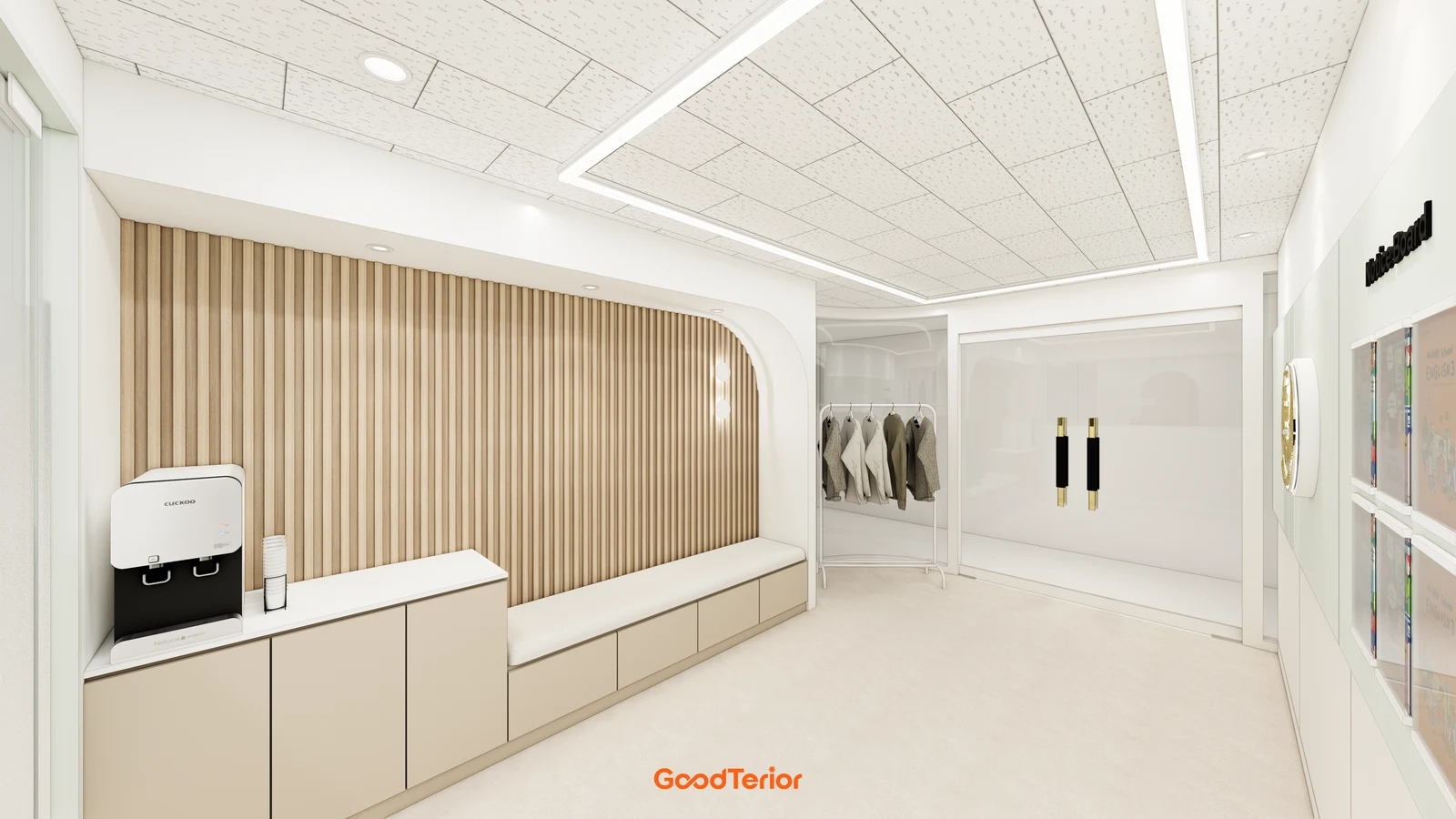
The cover shows a sofa beside the cabinet and a route inward to treatments. Include open doors and standing users on the plan, not just furniture outlines. Check whether bending to lower compartments or resting a bag overlaps seated customers' feet and circulation. Space before closed doors is not automatically usable operating space.
Choose entrance-side or inner storage by following both drop-off and collection. Nearby storage may be easy to explain but can increase stopping at the entrance. Inner storage adds movement after reception and needs clear guidance and collection methods. Also check where departing customers retrieving bags meet new arrivals.
Simulate retrieving a phone or another item during treatment. Compare long staff trips with direct customer access. The operator should also define how stored compartments are matched to customers on return. Furniture layout alone does not guarantee safekeeping responsibility or product safety.
For the final check, carry a bag in, store it, pass through waiting and treatment seats, then collect it and leave. Rehearsing customer and staff roles, opening doors, and giving instructions reveals missing temporary surfaces. Gather compartment uses, lock instructions, and handover procedures before ordering. Related articles explore waiting sightlines and cabinet interiors.
Ask us about your interior project
We can discuss a quote and design suited to the space you are planning.
Request a free consultation